Introduction to Red End Photoelectric Sensors
Red end photoelectric sensors are a cornerstone of modern industrial automation, utilizing visible red light for precise detection and measurement. Unlike sensors employing infrared light, the visible red beam allows for straightforward alignment and troubleshooting, as the light spot is easily seen by human operators. These sensors operate on the fundamental principle of emitting a beam of red light, typically from an LED, and detecting changes in the received light intensity caused by the presence, absence, or characteristics of a target object. This simple yet robust mechanism enables non-contact sensing, which is critical for applications involving fragile, hot, or fast-moving objects. Their reliability, long operational life, and versatility make them indispensable across manufacturing, packaging, material handling, and automotive assembly lines.
Core Operating Principles and Components
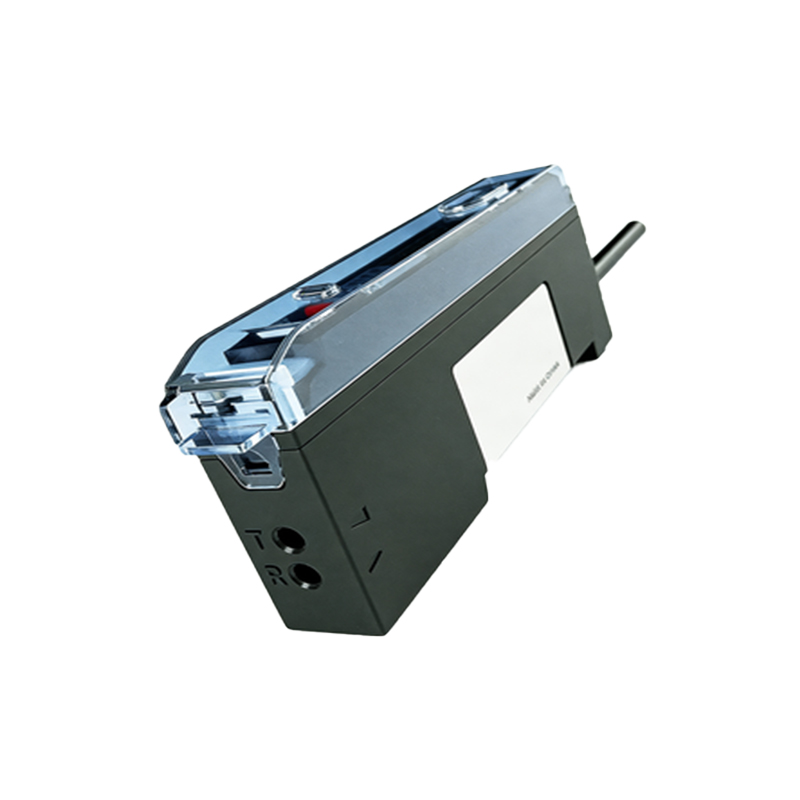
The functionality of a red end photoelectric sensor hinges on three key components: an emitter, a receiver, and control circuitry. The emitter is a light-emitting diode (LED) that generates a modulated beam of visible red light. Modulation, or pulsing the light at a specific high frequency, is crucial as it allows the sensor's receiver to distinguish the signal from ambient light, significantly enhancing immunity to interference from factory lighting. The receiver, typically a phototransistor or photodiode, captures the light. The control circuitry then analyzes the received signal. Detection is triggered when the target object alters this beam. The specific alteration depends on the sensing mode—through-beam, retro-reflective, or diffuse—each defining how the emitted light returns to the receiver.
Primary Sensing Modes Explained
Through-beam sensors, also known as opposed mode sensors, consist of separate emitter and receiver units placed opposite each other. Detection occurs when the target object physically breaks the light beam traveling from the emitter to the receiver. This mode offers the longest sensing range and highest reliability, as it is largely unaffected by the target's color, reflectivity, or surface angle. Retro-reflective sensors house both emitter and receiver in a single housing. They rely on a reflector, often a specialized prismatic tape, to bounce the light beam back. An object is detected when it interrupts this return path. Diffuse or proximity sensors also have a combined emitter and receiver, but they detect light reflected directly off the target object itself. This mode is compact and simplifies installation but is more sensitive to the target's color and surface properties.
Key Technical Specifications and Selection Criteria
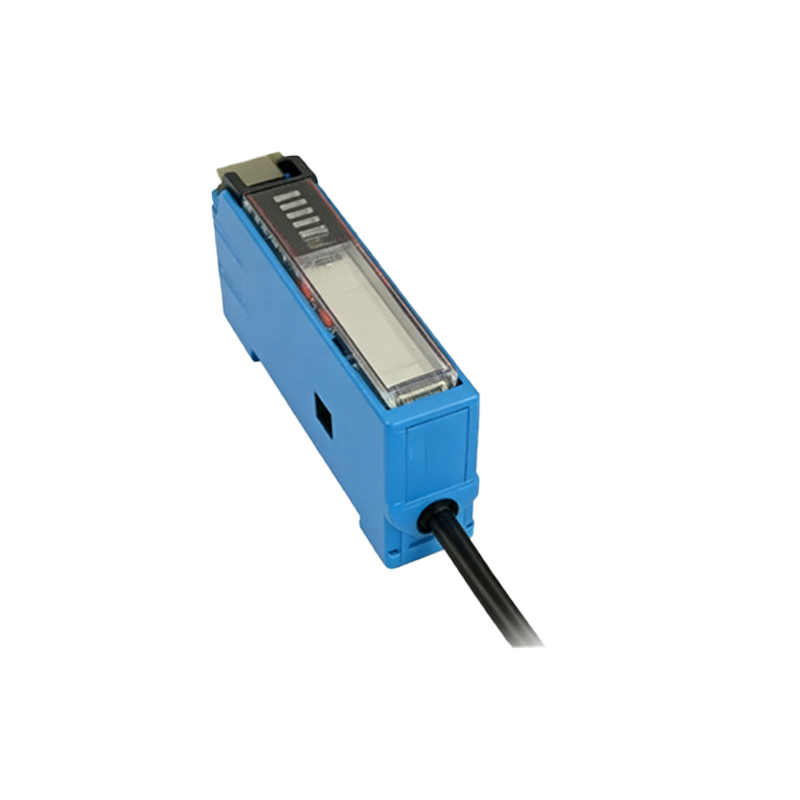
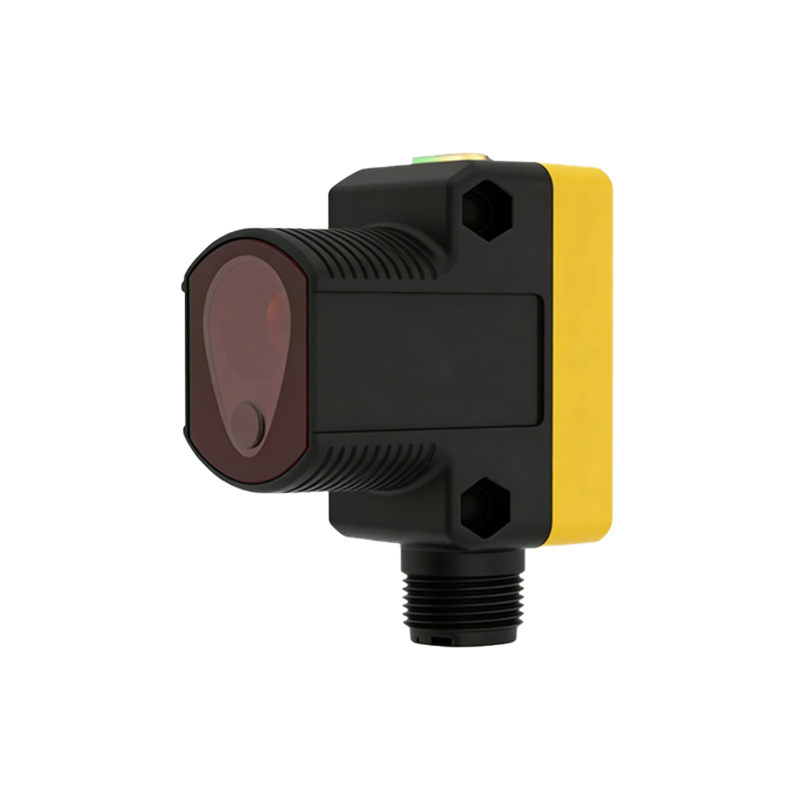
Selecting the appropriate red end sensor requires careful analysis of application parameters. Sensing range is paramount; it defines the maximum distance at which the sensor can reliably detect a standard target. For diffuse sensors, this is highly dependent on target color and finish. Response time indicates how quickly the sensor's output switches after detection, a critical factor for high-speed production lines. Light source modulation frequency determines resistance to ambient light. Environmental ratings, such as IP67 for dust and water ingress protection or NEMA ratings, ensure durability in harsh conditions. Output type (e.g., NPN/PNP transistor, analog, or IO-Link) must be compatible with the downstream controller. Additionally, features like adjustable sensitivity, built-in timers, and teach-in functionality for setting detection thresholds add significant value for complex applications.
Advantages Over Other Sensing Technologies
Red end photoelectric sensors present distinct advantages compared to other common sensors. Versus infrared sensors, the visible beam enables quick and precise alignment, reducing installation and maintenance time. Compared to ultrasonic sensors, they offer much faster response times and are not affected by factors like air turbulence, temperature gradients, or the acoustic properties of the target. When contrasted with inductive proximity sensors, photoelectrics can detect non-metallic objects such as glass, plastic, wood, and liquids, vastly expanding their application scope. Their non-contact nature eliminates mechanical wear and prevents damage to delicate targets, ensuring higher system longevity and product quality.
Common Industrial Applications and Use Cases
The applications for red end photoelectric sensors are vast and varied. In packaging machinery, they are used for label detection, cap presence verification on bottles, and counting products on conveyor belts. Within automotive assembly, they ensure correct part positioning and verify robotic weld gun operation. In material handling, they provide edge guidance for web materials, detect jams in conveyor systems, and control the fill level in silos or bins. They are also integral to security systems for door monitoring and intrusion detection. A specific use case is in bottling plants, where a through-beam sensor verifies each bottle is present and upright before filling, while a diffuse sensor might check that the applied cap is the correct color.
Installation Best Practices and Troubleshooting Tips
Proper installation is key to optimal performance. Ensure the sensor is securely mounted to minimize vibration. For through-beam and retro-reflective types, precise alignment is critical; the visible red beam greatly aids this process. Avoid mounting sensors facing each other to prevent crosstalk. Keep the lens clean from dust, oil, or debris, as contamination can scatter or attenuate the light beam. Common issues include failure to detect. Troubleshooting should start with verifying power supply and connections. Check for alignment drift, especially in vibrating environments. Look for optical obstructions or buildup on the lens or reflector. Use the sensor's sensitivity adjustment, if available, to compensate for highly reflective or absorbent targets. Understanding the specific sensing mode and its limitations is the first step in diagnosing any problem.