Introduction to 5mm Proximity Sensors
In the realm of industrial automation and precision control, the 5mm proximity sensor represents a critical component for detecting the presence or absence of objects within a very short range. Characterized by their compact cylindrical form factor, typically M5 or M8 threading, these sensors are engineered for applications where space is at a premium. Their fundamental operating principle involves emitting a field or beam and detecting changes in the return signal, all without any physical contact with the target object. This non-contact nature ensures high reliability, long operational life, and minimal maintenance, making them indispensable in modern manufacturing, robotics, and electronic assembly lines.
Inductive Proximity Sensors
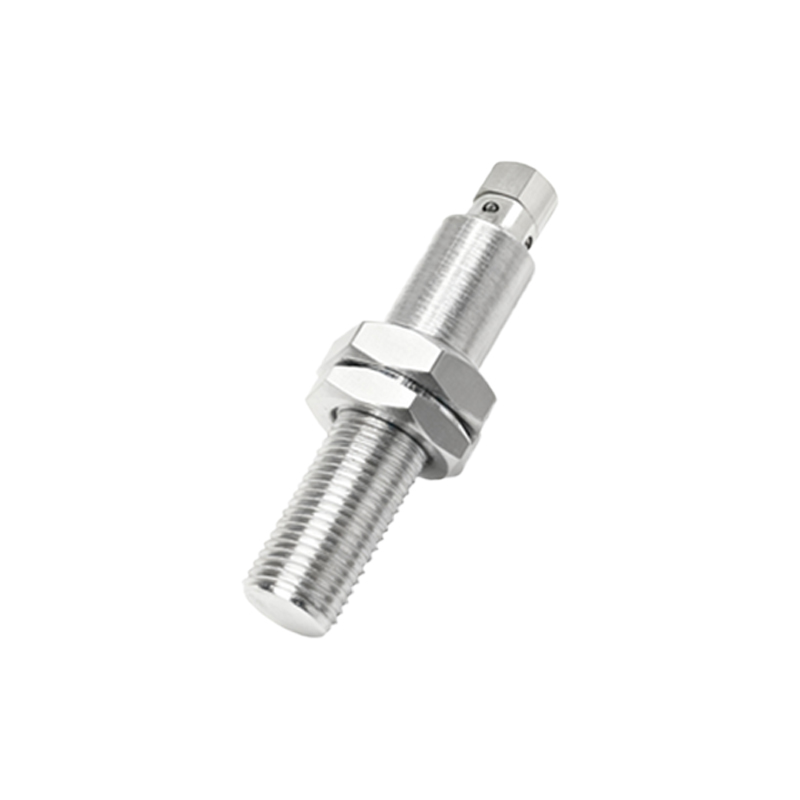
Inductive proximity sensors are among the most common types within the 5mm form factor. They generate an oscillating electromagnetic field from a coil and ferrite core assembly. When a metallic object, typically ferrous or non-ferrous metals like steel, aluminum, or copper, enters this field, it induces eddy currents. The sensor detects the resulting damping of the oscillation and triggers a switching signal. Key specifications for a 5mm inductive sensor include its sensing range, which is often up to 2mm for this size, its switching frequency, and its immunity to environmental factors like dust, oil, and coolants. They are exclusively used for metal detection and are ideal for high-speed counting, position verification of machine parts, or end-of-travel detection in compact machinery.
Capacitive Proximity Sensors
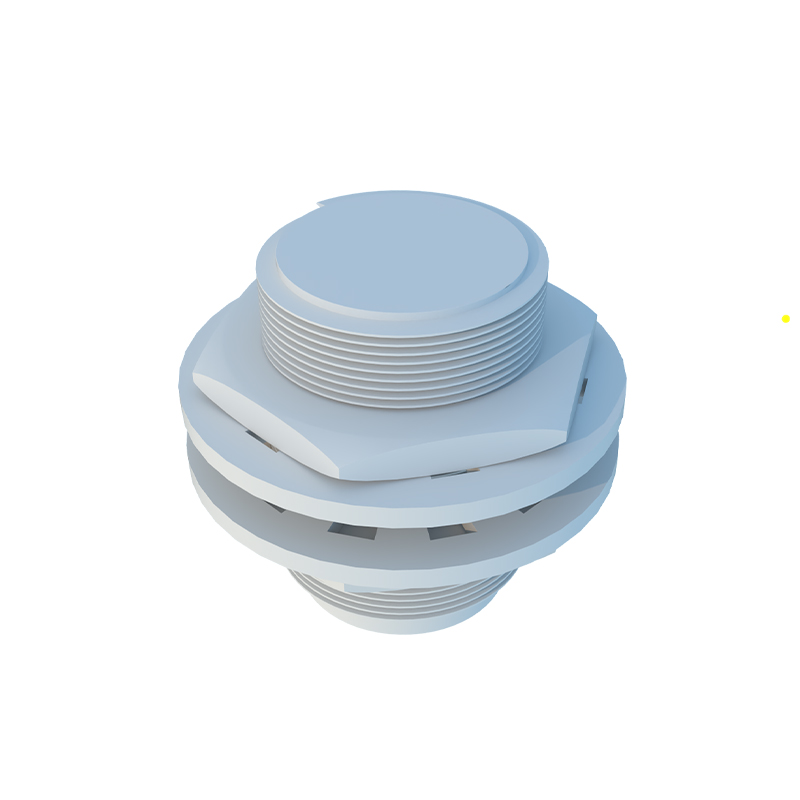
Capacitive proximity sensors offer a broader detection capability compared to their inductive counterparts. A 5mm capacitive sensor operates by generating an electrostatic field. It can detect both metallic and non-metallic materials, including liquids, plastics, glass, and wood, by measuring changes in capacitance caused by the target's dielectric properties. This makes them versatile for applications beyond standard object detection, such as monitoring fill levels in small containers, detecting transparent films, or sensing powdered materials. Their sensitivity is often adjustable, allowing engineers to fine-tune the sensor to ignore certain background materials or to detect specific targets in challenging environments.
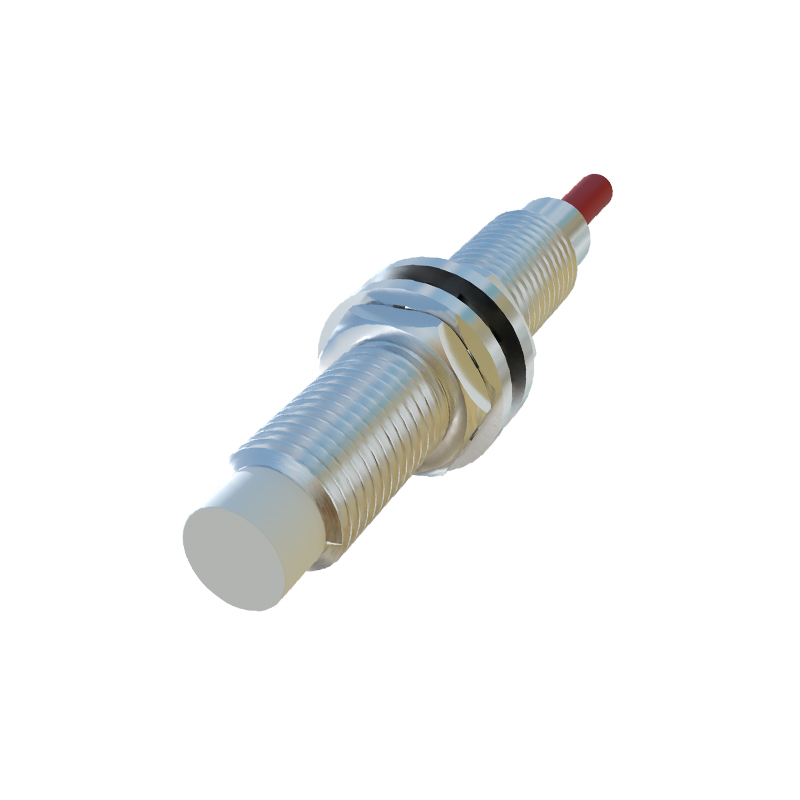
Photoelectric Sensors in 5mm Size
While less common in a pure 5mm cylindrical housing due to the need for separate emitter and receiver elements, miniaturized photoelectric sensors utilize fiber optic cables connected to a 5mm sensing head. These sensors work on the principle of light beam interruption (through-beam) or reflection (retro-reflective or diffuse). The through-beam type offers the longest sensing distance and highest accuracy for the 5mm head size, often used for detecting extremely small objects, verifying component placement on PCBs, or in high-precision assembly tasks. Their key advantage is the ability to detect any object that interrupts the light path, regardless of material composition, color, or surface finish, provided the object is opaque enough.
Key Performance Parameters and Specifications
Selecting the right 5mm proximity sensor requires careful analysis of its technical specifications. The nominal sensing distance, or Sn, is paramount; for a 5mm sensor, this typically ranges from 0.8mm to 2mm, depending on the technology and target material. Hysteresis, the difference between the switch-on and switch-off points, ensures stable operation without chattering. The switching frequency defines how quickly the sensor can respond, critical for high-speed production lines. Output configurations include NPN (sinking), PNP (sourcing), or analog (4-20mA, 0-10V), with choices between normally open (NO) and normally closed (NC) contacts. Environmental ratings, such as IP67 for dust and water immersion protection, and operating temperature ranges are also crucial for reliability.
Typical Industrial Applications
The compact size of 5mm proximity sensors unlocks a wide array of applications. In semiconductor manufacturing, they are used for wafer positioning and robot arm end-effector guidance. Within automated assembly units, they verify the presence of tiny screws, springs, or electronic components. In packaging machinery, they detect labels, monitor film web breaks, or count small products. Medical device manufacturers employ them for precise fluid level sensing in diagnostic equipment or position feedback in miniature actuators. Their role in miniaturized robotics for collision avoidance and precise movement control is also significant, enabling more complex and compact automated systems.
Installation and Mounting Considerations
Proper installation is critical to ensure the specified performance of a 5mm sensor. Due to their small size, mounting in metal surfaces requires careful attention to flush or non-flush mounting guidelines specified by the manufacturer. Non-flush (unshielded) inductive sensors offer a longer range but require clearance from