Introduction to Retro-Reflective Photoelectric Sensors
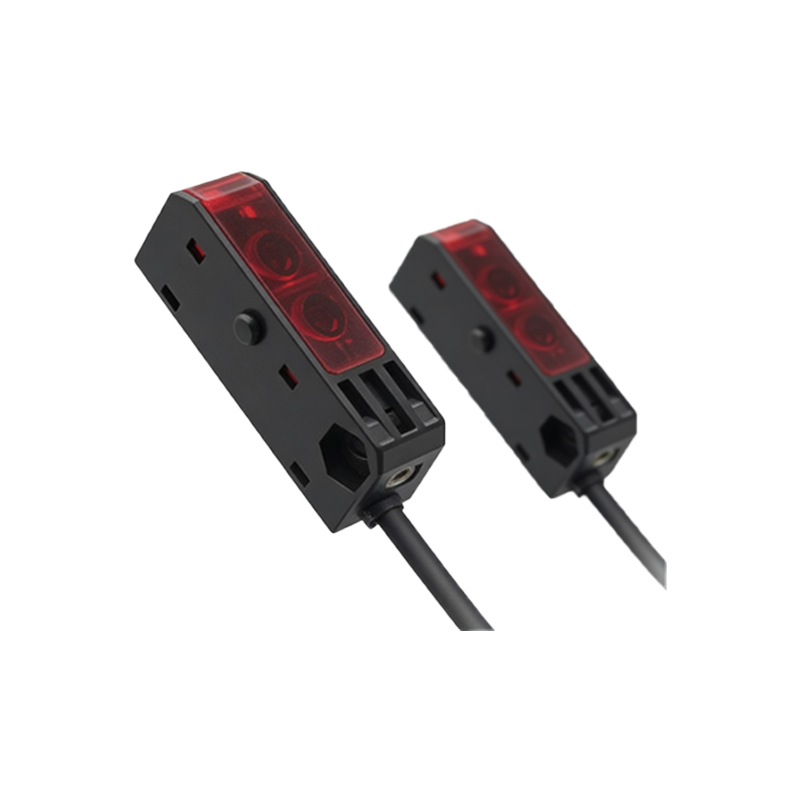
Retro-reflective photoelectric sensors, often simply called retro-reflective sensors, are a fundamental component in modern industrial automation. These devices operate on a straightforward yet highly effective principle: they emit a beam of light towards a specialized reflector and detect the light beam that is reflected back. The core mechanism involves a combined emitter and receiver housed within a single unit. The emitter projects a modulated light signal, typically infrared or visible red light, towards a retro-reflective target. This target is not a standard mirror but a corner-cube reflector or a specialized tape designed to reflect light directly back to its source, even if the alignment is not perfectly perpendicular. When the reflected light is received, the sensor interprets this as a "clear" or "object absent" state. The detection occurs when an object interrupts this light path. The receiver no longer detects the reflected beam, triggering the sensor's output to switch states, signaling an "object present" condition. This design makes them exceptionally reliable for detecting the presence, absence, or positioning of objects on production lines, in material handling, and in packaging machinery.
Key Advantages Over Other Sensor Types
Compared to through-beam and diffuse-reflective sensors, retro-reflective models offer a unique balance of performance and ease of installation. Through-beam sensors, which require separate emitter and receiver units facing each other, offer the longest sensing ranges and highest reliability but are more complex to install and align over long distances. Diffuse-reflective sensors detect light reflected directly off the target object itself, simplifying installation to a single unit but making them susceptible to variations in the object's color, texture, and reflectivity, which can affect sensing range and consistency. Retro-reflective sensors bridge this gap effectively. They provide a longer and more stable sensing range than diffuse sensors because the reflector provides a strong, consistent signal. Installation is simpler than through-beam systems, as only one device needs wiring and mounting, with the reflector placed on the opposite side. This one-sided installation significantly reduces setup time and cost, especially in applications where running cables for a separate receiver is impractical. Furthermore, advanced models feature polarization filters to ignore false reflections from shiny objects, a critical feature in environments with metallic surfaces.
Critical Components and Technological Features
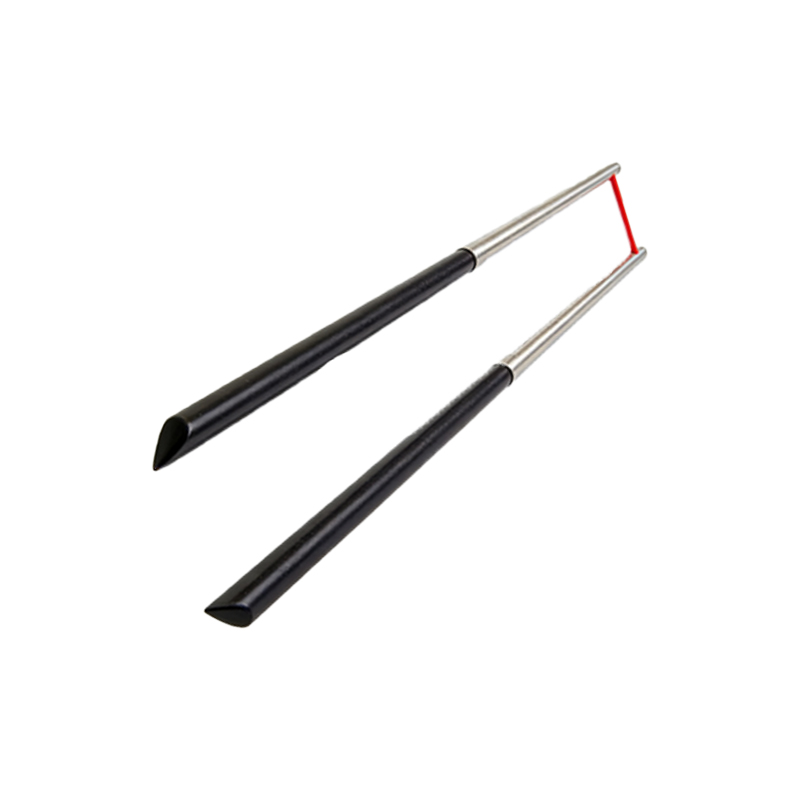
The performance of a retro-reflective sensor hinges on its internal components and embedded technologies. The light source is typically a Light Emitting Diode (LED) for its longevity and reliability. Infrared LEDs are common for their immunity to ambient light interference, while red LEDs provide a visible beam for easier alignment during setup. The heart of the sensor is the phototransistor or photodiode receiver, tuned to respond specifically to the modulated frequency of its own emitter, effectively filtering out ambient light from factory lighting. Modern sensors incorporate microprocessors for advanced functions like programmable sensing ranges, timers, and logic functions. A pivotal feature is the polarizing filter. This filter ensures the sensor only recognizes light that has been reflected from a genuine corner-cube reflector. Shiny objects like metal or plastic may reflect light back, but this reflection does not pass through the filter correctly, preventing false triggering. Additionally, models with Background Suppression (BGS) technology can precisely define a sensing window, ignoring reflections from objects beyond a set distance, such as the factory wall behind the conveyor.
Primary Industrial Applications and Use Cases
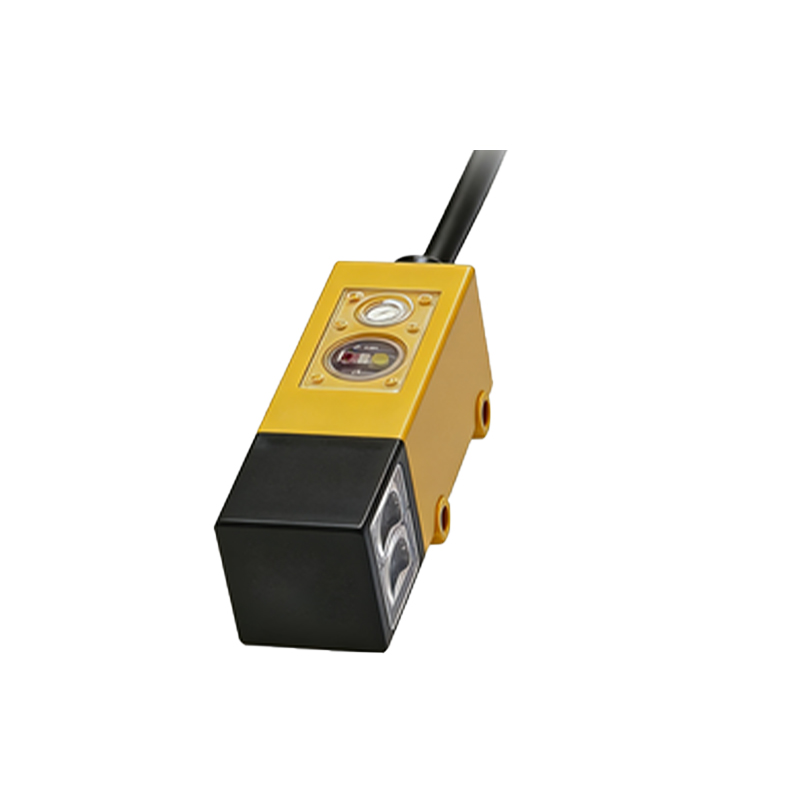
The robustness and reliability of retro-reflective sensors make them indispensable across numerous industries. In packaging and bottling lines, they are deployed for precise bottle cap detection, label presence verification, and case counting. Their ability to detect transparent objects, like glass or clear plastic bottles, is enhanced when using specialized retro-reflective tapes designed for such materials. In the automotive sector, these sensors monitor component presence on assembly robots, verify door and panel positioning, and control automated guided vehicles (AGVs) by detecting reflective tapes on floors or walls for navigation. Material handling systems extensively use them for pallet detection, box positioning on conveyors, and as safety curtains at the entry and exit points of automated storage and retrieval systems (AS/RS). In the printing industry, they accurately detect the leading edge of paper sheets, ensuring precise registration and cutting. Their one-sided setup is particularly advantageous in these fast-paced, space-constrained environments.
Selection Criteria and Installation Best Practices
Selecting the right retro-reflective sensor requires careful consideration of several parameters. The sensing range must be chosen with a safety margin, typically 50-80% of the sensor's maximum rated distance, to account for environmental factors like dust, moisture, or minor misalignment. The type of object to be detected is crucial; for transparent or highly reflective targets, sensors with polarized light or specific modes for clear object detection are necessary. The environmental rating, indicated by IP (Ingress Protection) codes, is vital. Sensors in washdown areas (e.g., food and beverage) require high IP ratings like IP67 or IP69K, while standard factory floors may suffice with IP65. Electrical output (PNP/NPN, analog, or IO-Link) must match the control system's input card. For installation, precise alignment with the reflector is key for maximum signal strength. The sensor and reflector should be mounted securely to prevent vibration-induced misalignment. Keeping the lens clean from dust, oil, and debris through regular maintenance is essential for consistent operation. It is also advisable to avoid mounting sensors where direct sunlight or intense ambient light can hit the lens, as this can cause interference, even with modulated light technology.
Conclusion and Future Trends
Retro-reflective photoelectric sensors remain a cornerstone of industrial sensing due to their optimal blend of range, reliability, and installation simplicity. They solve a vast array of detection challenges in automation, from basic object presence to complex positioning tasks. The future evolution of these sensors is tightly linked to Industry 4.0 and the Industrial Internet of Things (IIoT). We are witnessing the integration of more intelligent features, such as IO-Link communication, which allows for remote configuration, real-time diagnostics, and condition monitoring. Sensors can now report parameters like signal strength, internal temperature, and lens contamination, enabling predictive maintenance and reducing unplanned downtime. Furthermore, advancements in LED technology and optical design continue to extend sensing ranges and improve energy efficiency. As factories become smarter and more connected, the humble retro-reflective sensor will continue to adapt, providing not just detection data but valuable insights into the production process itself.