Introduction to Proximity Sensing Technology
The evolution of industrial safety and operational efficiency has been profoundly shaped by advancements in sensor technology. Among these, proximity sensors stand out as critical components, enabling non-contact detection of objects within a defined range. In high-risk environments like electrical substations, manufacturing floors, and maintenance operations, the ability to sense nearby objects or personnel without physical contact is not just a convenience—it is a fundamental safety requirement. Traditional fixed sensors have served well, but the need for mobility and personal situational awareness has driven innovation towards wearable solutions. This is where the Snail G3 Glasses Proximity Sensor enters the scene, representing a significant leap forward in personal protective equipment (PPE) for electrical engineers and technicians.
Unpacking the Snail G3 Glasses System
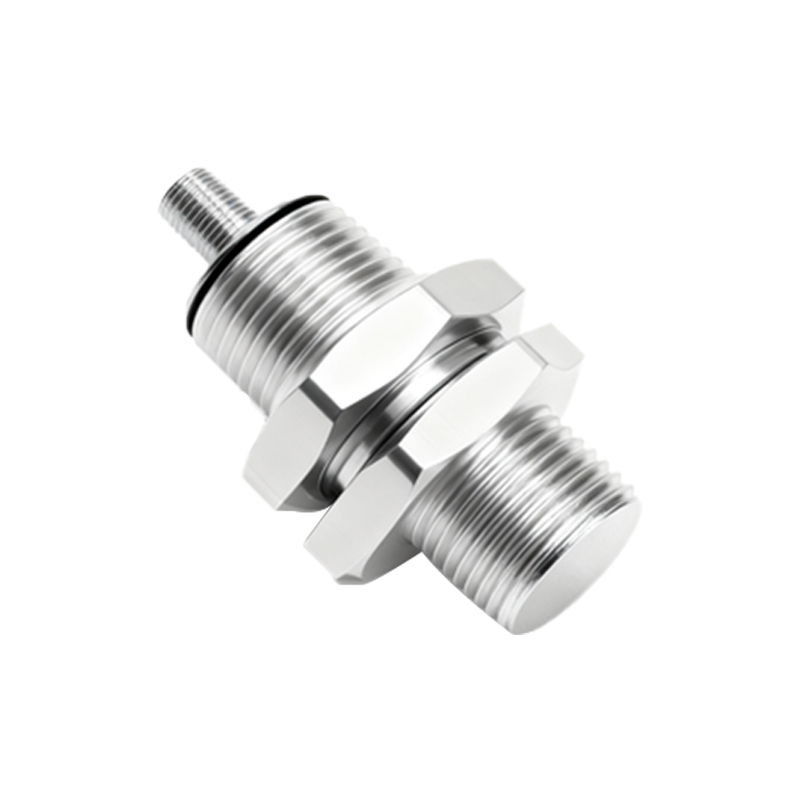
The Snail G3 is not merely a pair of safety glasses; it is an integrated wearable system designed to augment human perception. At its core, a miniaturized, high-precision proximity sensor is embedded within the frame of industrial-grade safety glasses. This sensor typically employs ultrasonic or infrared technology to continuously monitor the space directly in front of the wearer. The system is powered by a compact, rechargeable battery unit discreetly housed in the temple arm. When the sensor detects an object or person within a pre-set, adjustable danger zone—often calibrated for specific high-voltage equipment or machinery—it triggers an immediate alert. This alert is delivered through multiple channels: a subtle but distinct audible tone from a built-in micro-speaker, a vivid visual warning via LED lights embedded in the peripheral field of view, and in some advanced models, a haptic vibration.
Core Technical Specifications and Performance
Engineered for reliability in demanding conditions, the Snail G3 boasts impressive specifications. Its detection range is configurable, typically spanning from 5 centimeters to 2 meters, with an accuracy tolerance of ±1%. The sensor's response time is under 10 milliseconds, ensuring near-instantaneous warning. It operates effectively in a wide temperature range from -10°C to 50°C and is rated with a high Ingress Protection (IP) code, such as IP67, making it resistant to dust and water jets. The glasses themselves meet or exceed ANSI Z87.1 and EN 166 standards for impact resistance. The onboard processing unit uses adaptive algorithms to filter out ambient noise and irrelevant background movement, reducing false positives. Data from operational cycles, including near-miss detections, can often be logged and exported via a micro-USB or Bluetooth Low Energy (BLE) connection for post-incident analysis and safety audits.
Application Scenarios in Electrical Engineering
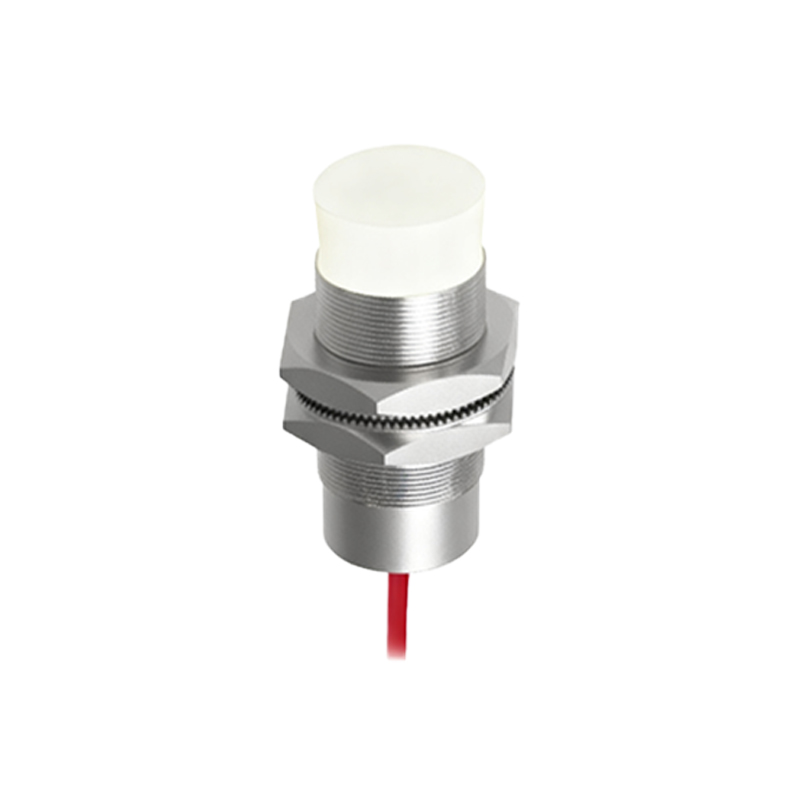
The practical applications of the Snail G3 in electrical work are vast and impactful. For technicians working on live panel installations or upgrades, the sensor provides a crucial second layer of defense, warning if their head moves too close to an energized busbar or terminal. During cable trench work or in confined switchgear rooms, it alerts the wearer to overhead obstacles or protruding components, preventing impact injuries. For engineers conducting infrared thermography inspections, maintaining a safe distance from hot spots is paramount; the glasses can be set to warn when the inspection camera gets too close to a high-temperature source. In training environments, they serve as an excellent tool for instilling spatial awareness in apprentices, helping them develop safe "working bubbles" around hazardous equipment.
Benefits: Enhancing Safety and Operational Workflow
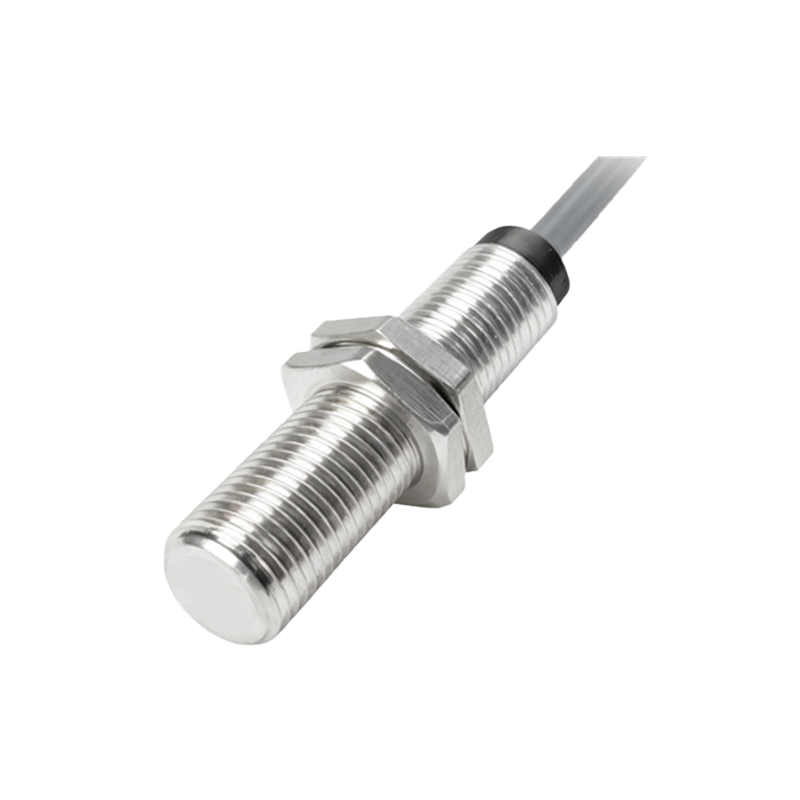
The primary benefit is a dramatic enhancement in personal safety, directly contributing to a reduction in workplace accidents, such as electrical shocks, arc flash incidents, and blunt force trauma. This proactive warning system empowers the worker, reducing cognitive load and stress when performing complex tasks near hazards. Furthermore, by preventing accidental contact with sensitive equipment, it minimizes the risk of costly damage and production downtime. The efficiency gains are notable; workers can move and work with greater confidence and speed in cluttered environments without constantly needing to visually verify their clearance. The data logging feature transforms safety management from a reactive to a predictive model, allowing supervisors to identify risky behavioral patterns or environmental conditions before an incident occurs.
Integration with Modern Industrial Ecosystems
The true potential of the Snail G3 is realized when integrated into a broader Industrial Internet of Things (IIoT) framework. When connected to a central safety management system via wireless networks, the glasses can become a node in a geofenced safety zone. For instance, if a worker wearing the glasses enters a restricted high-voltage area, the system can automatically adjust the sensor's sensitivity or trigger site-wide alerts. Integration with Building Management Systems (BMS) or Distributed Control Systems (DCS) could allow the glasses to receive contextual