Understanding Proximity Sensor Fundamentals
Proximity sensors are non-contact electronic devices designed to detect the presence or absence of an object within a defined sensing range without physical contact. Operating on various physical principles, these sensors emit a field or beam and monitor changes in the field or return signal. The core advantage lies in their ability to function in harsh environments—resistant to dirt, oil, and moisture—where mechanical limit switches would fail. They offer high reliability, long operational life, and fast response times, making them indispensable in automated machinery and industrial control systems. The absence of moving parts minimizes wear and tear, reducing maintenance needs and downtime significantly.
Primary Types of Proximity Sensors
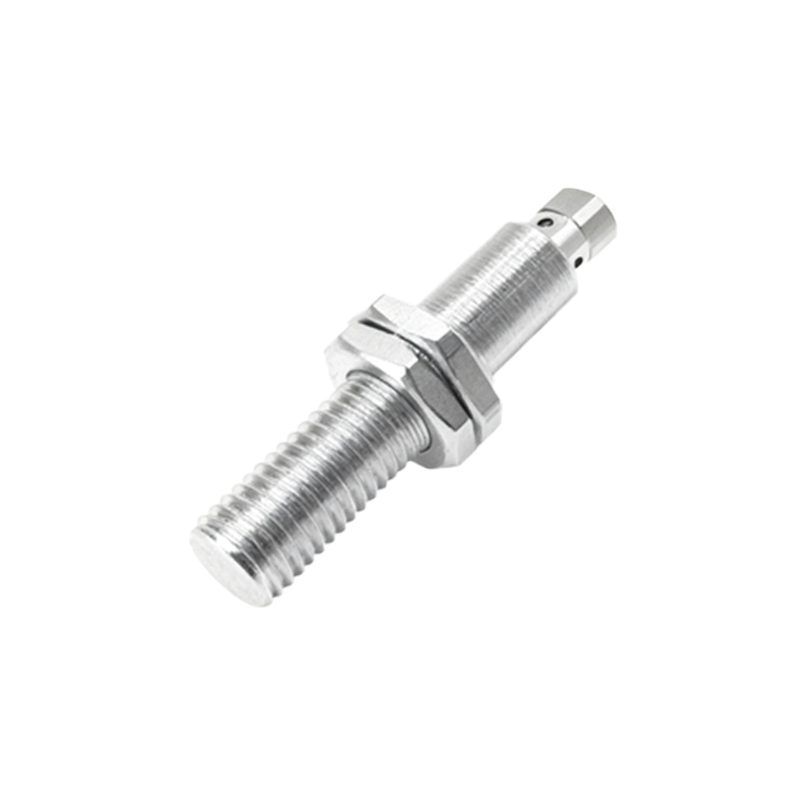
The most common types include inductive, capacitive, ultrasonic, and photoelectric sensors. Inductive proximity sensors detect metallic objects, typically ferrous metals like iron and steel, by generating an electromagnetic field. They are highly precise for metal detection but ineffective for non-metallic materials. Capacitive sensors can detect both metallic and non-metallic materials, including liquids, powders, and plastics, by measuring changes in capacitance. Ultrasonic sensors use sound waves to detect objects and measure distance, suitable for various materials and challenging conditions like transparent or glossy surfaces. Photoelectric sensors utilize light beams, with variants such as through-beam, retro-reflective, and diffuse reflective models, offering long-range detection and versatility.
Key Applications in Industrial Machinery
In manufacturing and automation, proximity sensors play critical roles. They are used for position sensing, such as verifying the presence of a part on a conveyor belt or determining the end position of a cylinder in pneumatic systems. Counting applications involve tracking items on production lines, while speed monitoring can be achieved by detecting gear teeth or rotary encoder marks. In safety systems, they serve as interlock devices to ensure machine guards are closed before operation. Additional uses include object sorting based on material type, fill level detection in tanks, and precise control in robotic assembly arms where non-contact sensing is essential to prevent damage.
Critical Selection Criteria for Engineers
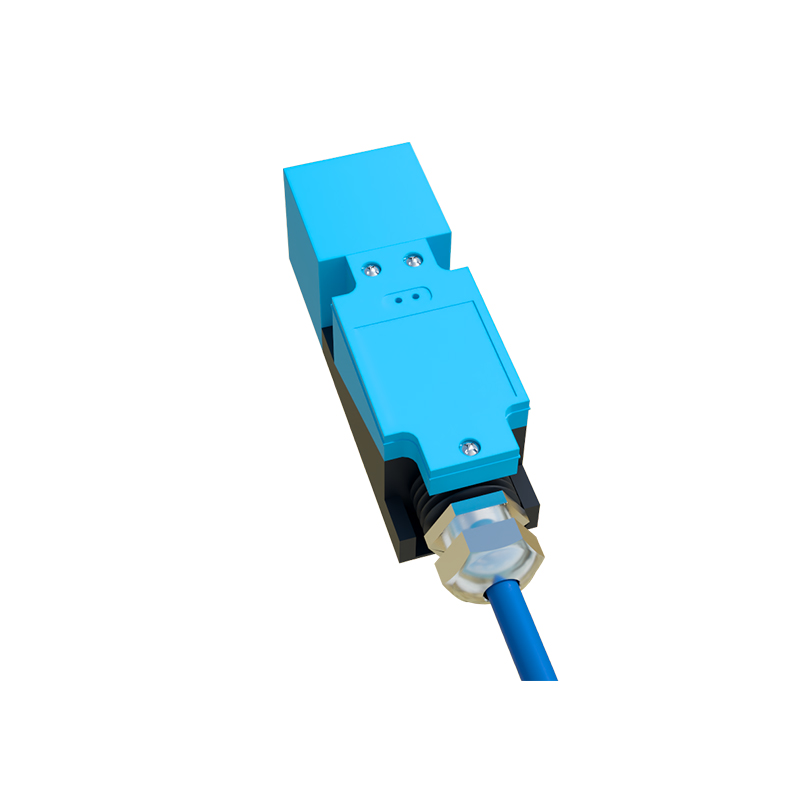
Selecting the appropriate sensor requires careful analysis of several parameters. The sensing range must be considered relative to the target object's distance and size. Environmental factors like temperature extremes, exposure to chemicals, or washdown conditions dictate the sensor's housing material and ingress protection (IP) rating. The target material itself determines the sensor type—inductive for metals, capacitive for diverse materials. Output configuration (e.g., NPN, PNP, analog, or IO-Link) must match the control system's input requirements. Other factors include response time for high-speed applications, mounting constraints, and whether a shielded or unshielded model is needed to prevent electromagnetic interference in tight installations.
Installation and Calibration Best Practices
Proper installation is crucial for optimal performance. Sensors should be mounted securely to avoid vibration-induced errors, with adequate clearance from metal surfaces to prevent false triggering. For inductive sensors, the sensing face must be parallel to the target for consistent detection. Calibration, especially for capacitive and ultrasonic sensors, often involves adjusting sensitivity to ignore background objects or environmental noise. Regular maintenance includes cleaning the sensing face from accumulated debris and verifying the electrical connections. Diagnostic features like LED indicators for output status are invaluable for troubleshooting. Engineers should always refer to manufacturer datasheets for specific mounting distances and environmental limitations.
Future Trends and Technological Advancements
The evolution of proximity sensors is closely tied to Industry 4.0 and smart manufacturing. Modern sensors increasingly incorporate digital interfaces like IO-Link, enabling detailed parameter setting, condition monitoring, and predictive maintenance data transmission to higher-level control systems. Miniaturization allows integration into compact machinery, while enhanced sensing ranges and improved immunity to environmental interference boost reliability. The development of sensors capable of distinguishing between different material grades or colors is ongoing. Furthermore, the integration with IoT platforms facilitates real-time analytics, allowing for optimized machine performance and reduced unplanned stoppages across the factory floor.