Introduction to Digital Photoelectric Sensors
Digital photoelectric sensors are fundamental components in modern industrial automation, providing reliable object detection through the use of light beams. Unlike their analog counterparts, these sensors output a discrete digital signal—typically ON or OFF—when an object interrupts or reflects a light beam. This binary output makes them perfectly suited for integration with Programmable Logic Controllers (PLCs), industrial computers, and other digital control systems. The core principle involves an emitter that projects a light beam (often infrared, visible red, or laser) and a receiver that detects changes in the received light intensity. The transition to digital processing has enhanced their immunity to electrical noise and environmental interference, ensuring stable performance in demanding factory environments. Their primary function is to detect the presence, absence, or position of objects on production lines, in packaging machinery, and within material handling systems.
Key Operating Modes and Technologies
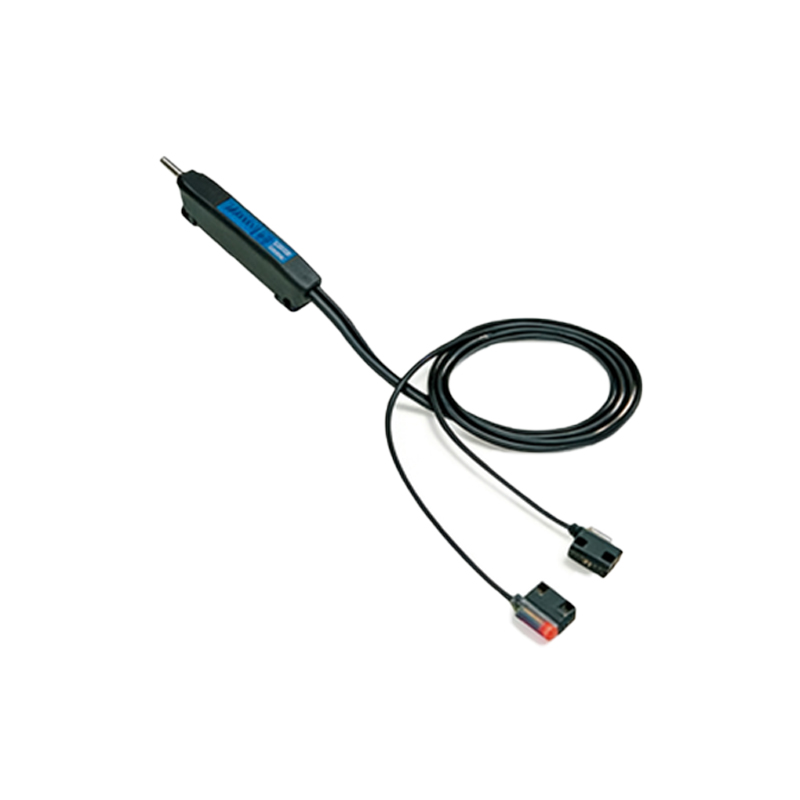
These sensors operate in three primary modes, each suited for specific applications. Through-beam sensors, also known as opposed mode sensors, consist of separate emitter and receiver units placed opposite each other. Detection occurs when an object breaks the beam traveling from the emitter to the receiver. This mode offers the longest sensing range and highest reliability. Retro-reflective sensors house both emitter and receiver in a single housing, using a reflector to bounce the light beam back. Detection happens when an object blocks this return path. Diffuse reflective sensors, or proximity mode sensors, also have a combined emitter and receiver, but they detect light reflected directly off the target object itself. Advanced technologies include background suppression, which uses triangulation to ignore objects beyond a set distance, and fiber optic units for detecting tiny objects or operating in extreme temperatures. The choice of mode directly impacts sensing range, accuracy, and environmental robustness.
Critical Specifications and Selection Criteria
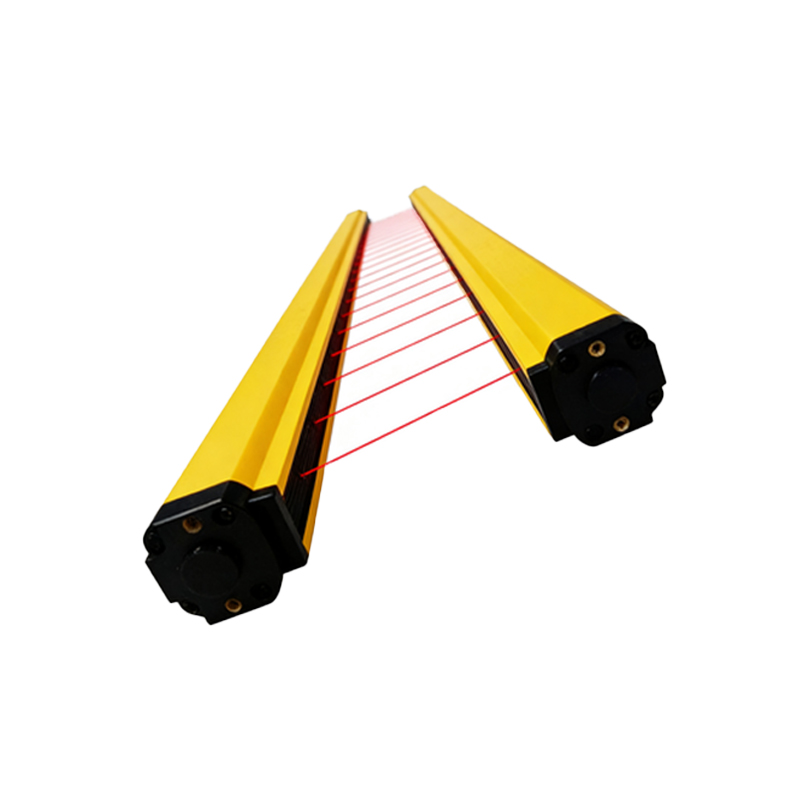
Selecting the correct digital photoelectric sensor requires careful analysis of several technical specifications. Sensing range defines the maximum distance at which the sensor can reliably detect an object. Light source type is crucial; infrared LEDs provide invisible detection and are common, red LEDs offer visible beam alignment for easier setup, and laser diodes enable precise detection of very small objects. Response time, measured in milliseconds or microseconds, determines how quickly the sensor can react to a passing object, which is vital for high-speed production lines. Output configuration is typically either NPN (sinking) or PNP (sourcing) transistor outputs, matching the input requirements of the control system. Environmental ratings, such as IP67 for dust and water ingress protection, and operational temperature ranges ensure durability. Additional features like adjustable sensitivity, teach-in functionality for easy setup, and built-in timers or logic functions add significant value for complex applications.
Advantages in Industrial Applications
The advantages of digital photoelectric sensors are numerous, driving their widespread adoption. Their non-contact detection method eliminates mechanical wear and tear, leading to exceptionally long service life and reduced maintenance costs. They can detect a vast array of materials, including metals, plastics, glass, and liquids, provided the object affects the light beam. The digital output provides excellent noise immunity, resulting in stable signals over long cable runs in electrically noisy environments. Modern sensors offer exceptional precision and repeatability, enabling tasks like precise positioning, counting, and edge detection. Their fast response times facilitate high-speed automation, such as in bottling plants or electronics assembly. Furthermore, their compact designs allow for installation in space-constrained locations, and many models offer intuitive setup via pushbuttons or teach-in methods, reducing commissioning time and complexity for technicians.
Common Applications Across Industries
Digital photoelectric sensors are ubiquitous across virtually every manufacturing sector. In automotive assembly, they verify the presence of components like pistons or gaskets before assembly and count finished parts on conveyors. Packaging machinery relies on them for label detection, fill level control, and carton flap verification. In the food and beverage industry, they detect transparent bottles, monitor cap placement, and control case packing. Material handling systems use them for pallet positioning, stack height control, and conveyor jam detection. Electronics manufacturing employs miniature sensors for PCB presence verification and component insertion checks. They are also essential in printing for web break detection and register mark sensing. Their versatility extends to automated storage and retrieval systems (AS/RS) for tote positioning and in robotics for pick-and-place guidance and safety curtain applications.
Installation, Alignment, and Troubleshooting Tips
Proper installation is critical for optimal sensor performance. The sensor must be securely mounted to prevent vibration-induced misalignment. For through-beam and retro-reflective types, precise alignment of the emitter, receiver, and reflector is paramount; many models feature alignment indicators or audible signals to aid this process. It is essential to consider the target object's properties—size, color, material, and surface finish—as these affect reflectivity. Environmental factors like dust, fog, or ambient light from welding or sunlight can cause false triggers; selecting sensors with modulated light (which ignores constant ambient light) and appropriate housings mitigates this. Common troubleshooting steps include verifying power supply voltage, checking for loose wiring, cleaning the lens of dirt or debris, and confirming that the sensing object is within the specified range and correctly interrupting the beam. Regularly reviewing the sensor's status LED indicators is a quick diagnostic method.
The Future: Integration with IIoT and Smart Factories
The evolution of digital photoelectric sensors is tightly linked to Industry 4.0 and the Industrial Internet of Things (IIoT). Next-generation sensors are becoming smarter, incorporating microprocessors and digital communication interfaces like IO-Link. IO-Link enables bidirectional data exchange, allowing not only the transmission of the standard switching signal but also the remote configuration of parameters (e.g., sensitivity, time delays) and the continuous monitoring of device health, such as lens contamination levels or temperature warnings. This predictive maintenance capability minimizes unplanned downtime. Furthermore, sensor data can be integrated into higher-level manufacturing execution systems (MES) for analytics and process optimization. Future advancements may include enhanced vision-sensor fusion, greater precision for miniaturized components, and increased robustness for even harsher industrial environments, solidifying their role as the eyes of the automated factory.