Introduction to Basket-Type Photoelectric Sensors
Basket-type photoelectric sensors, often referred to as fork sensors or U-shaped sensors, represent a critical category in industrial automation. These sensors consist of a U-shaped housing that integrates both an emitter and a receiver, facing each other across a defined gap or "basket." This physical configuration allows them to detect objects that pass through this gap by interrupting the light beam. Unlike through-beam sensors that require separate mounting for emitter and receiver, the basket-type design offers a self-contained, easy-to-install solution. Their primary function is precise object detection, counting, and positioning in high-speed or demanding environments where reliability is paramount. The inherent design minimizes alignment issues, making them exceptionally robust against vibration and misalignment, a common challenge in factory settings.
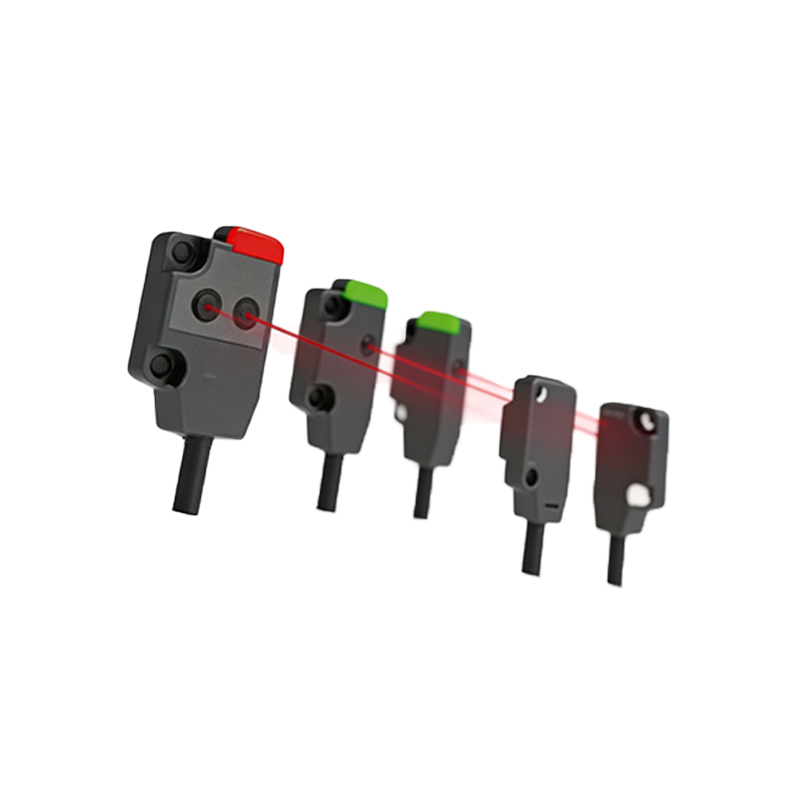
Operating Principle and Key Components
The fundamental operating principle is based on the modulation and reception of light. The emitter side contains a light source, typically a light-emitting diode (LED) that produces a focused beam of infrared, red, or laser light. The receiver, positioned directly opposite, houses a phototransistor or photodiode. In the absence of an object, the light beam continuously reaches the receiver, keeping the sensor's output in a steady state (typically "ON" or "OFF," depending on the logic). When an object enters the basket and interrupts the beam, the receiver detects the loss of light, triggering a change in the electrical output signal. This signal is then processed by the sensor's internal circuitry and communicated to a programmable logic controller (PLC) or other control systems. Key internal components also include lenses for beam focusing, signal amplifiers, and output switching circuits, all housed within the durable, often metal, U-shaped body.
Advantages Over Other Sensor Types
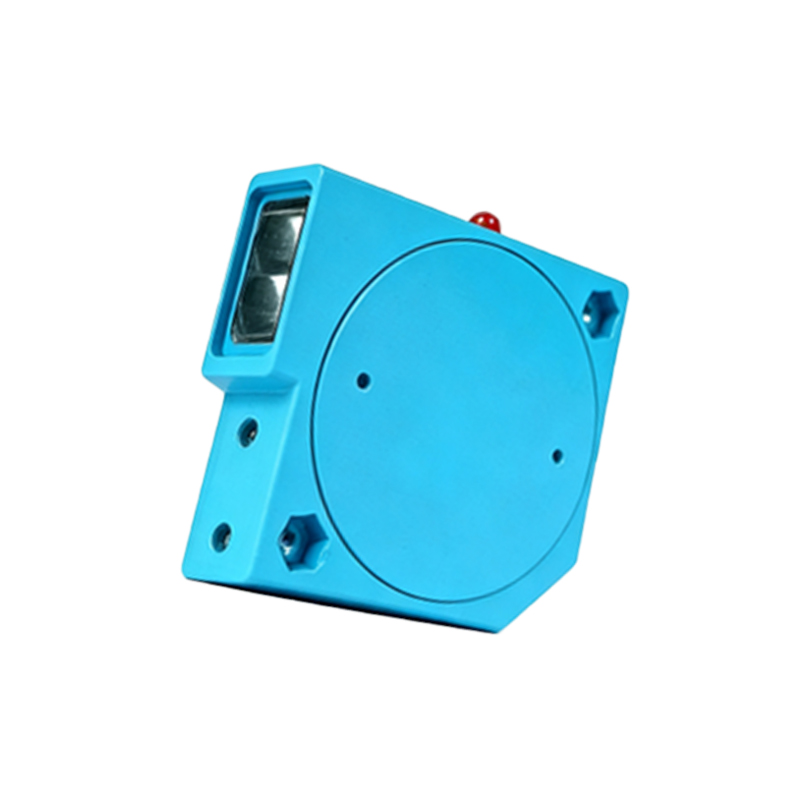
Basket-type photoelectric sensors offer distinct advantages that justify their specific application. First and foremost is their exceptional installation simplicity and alignment stability. Since the optical axes are factory-aligned within the single housing, there is no need for tedious on-site alignment, saving significant setup time. This integrated design also grants them high immunity to environmental factors like dust, ambient light interference, and mechanical shock, as the gap is fixed and protected. They provide very high-speed response times, capable of detecting objects moving at several meters per second, which is ideal for counting applications on conveyor belts. Furthermore, their detection is largely independent of the object's surface color, material, or reflectivity, as they rely on beam interruption rather than reflection.
Common Industrial Applications
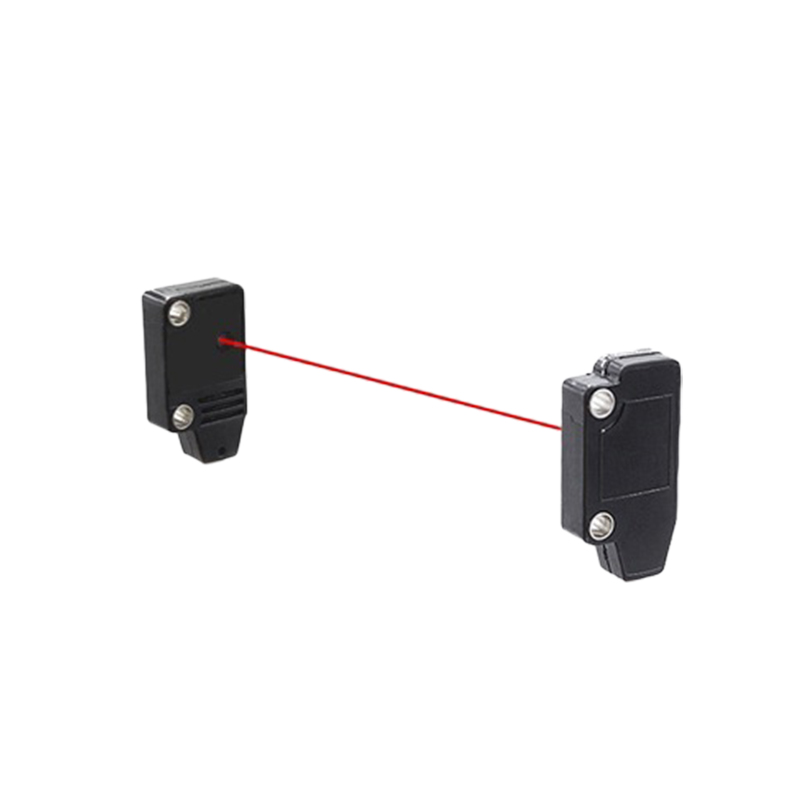
The application spectrum for basket sensors is vast within automation. A primary use is in high-speed object counting and sorting on production lines, such as in packaging, bottling, and pharmaceutical industries. They are indispensable in print registration and web break detection in printing and paper converting machinery, where a precise edge or mark must be detected. In assembly automation, they verify the presence or absence of components, like checking if a cap is on a bottle or if a part is correctly seated. They also serve as safety interlock devices, ensuring a guard door is closed before machine operation commences, by detecting a flag or tab attached to the door. Their robustness makes them suitable for harsh environments found in wood processing, metalworking, and automotive manufacturing.
Critical Selection Criteria
Selecting the appropriate basket sensor requires careful consideration of several technical parameters. The slot width and slot depth are the most fundamental, determining the maximum size of the object that can pass through. The minimum object detection size specifies the smallest object the sensor can reliably sense. Response time is crucial for high-speed applications; a faster response allows for detection of smaller objects at higher speeds. The light source type (Infrared, Red LED, Laser) matters for detection precision and environmental resistance; laser types offer the smallest, most precise beam. Output configuration (PNP/NPN, NO/NC) must be compatible with the control system. Finally, the housing material (often stainless steel or reinforced plastic) and Ingress Protection (IP) rating are selected based on the environmental conditions, such as exposure to coolants, oils, or washdowns.
Installation and Maintenance Best Practices
Proper installation is key to long-term reliability. Ensure the sensor is mounted securely to minimize vibration. The object path must be consistent, passing centrally through the basket to avoid grazing the inner walls, which could cause false triggers or damage. Maintain a clean optical window; accumulated dirt, dust, or oil on the emitter or receiver lenses can attenuate the light beam, leading to detection failures. Implement regular preventive maintenance schedules to clean the lenses with appropriate solvents. When wiring, adhere to the manufacturer's specifications for voltage supply and load connection, and use shielded cables in electrically noisy environments to prevent electromagnetic interference (EMI) from causing erratic operation.
Future Trends and Technological Evolution
The evolution of basket-type photoelectric sensors aligns with broader Industry 4.0 trends. Modern sensors are increasingly featuring IO-Link communication, a point-to-point serial protocol that enables digital data exchange beyond simple switch signals. This allows for remote monitoring of parameters like operating time, internal temperature, and signal strength, facilitating predictive maintenance. There is also a trend towards miniaturization, allowing for installation in tighter spaces without sacrificing performance. Enhanced background suppression techniques and the integration of multi-voltage capabilities (e.g., 10-30V DC) simplify inventory and global machine design. As smart factories advance, these sensors will become more intelligent nodes in a connected ecosystem, providing valuable diagnostic data to optimize overall equipment effectiveness (OEE).