Introduction to Photoelectric Sensors
Photoelectric sensors are pivotal components in modern industrial automation, offering non-contact detection capabilities for a wide array of applications. These devices operate by emitting a light beam—typically infrared, visible red, or laser—and detecting changes in the received light intensity. The core principle involves the interaction between the emitted light and the target object, which may reflect, absorb, or interrupt the beam. This interaction triggers an output signal, enabling precise monitoring and control in manufacturing, packaging, material handling, and safety systems. Their versatility stems from the ability to detect objects regardless of material composition, including metals, plastics, glass, and liquids, making them indispensable in diverse industrial environments. With advancements in technology, photoelectric sensors now feature enhanced accuracy, longer sensing ranges, and robust designs to withstand harsh conditions like dust, moisture, and temperature fluctuations.
Types and Operating Modes
Photoelectric sensors are categorized based on their operating modes, each suited to specific industrial needs. The through-beam (or opposed) mode consists of separate emitter and receiver units aligned opposite each other; detection occurs when an object interrupts the light beam, offering high reliability and long sensing distances up to several meters. Retro-reflective mode uses a single unit with both emitter and receiver, along with a reflector; the sensor detects objects that block the reflected beam, providing a balance of range and ease of installation. Diffuse (or proximity) mode relies on the reflection of light from the target itself, with the emitter and receiver housed in one unit, ideal for close-range detection where space is limited. Additionally, background suppression and polarized versions improve accuracy by filtering out ambient light or unwanted reflections, ensuring stable performance in complex settings like conveyor systems or robotic arms.
Key Features and Technical Specifications
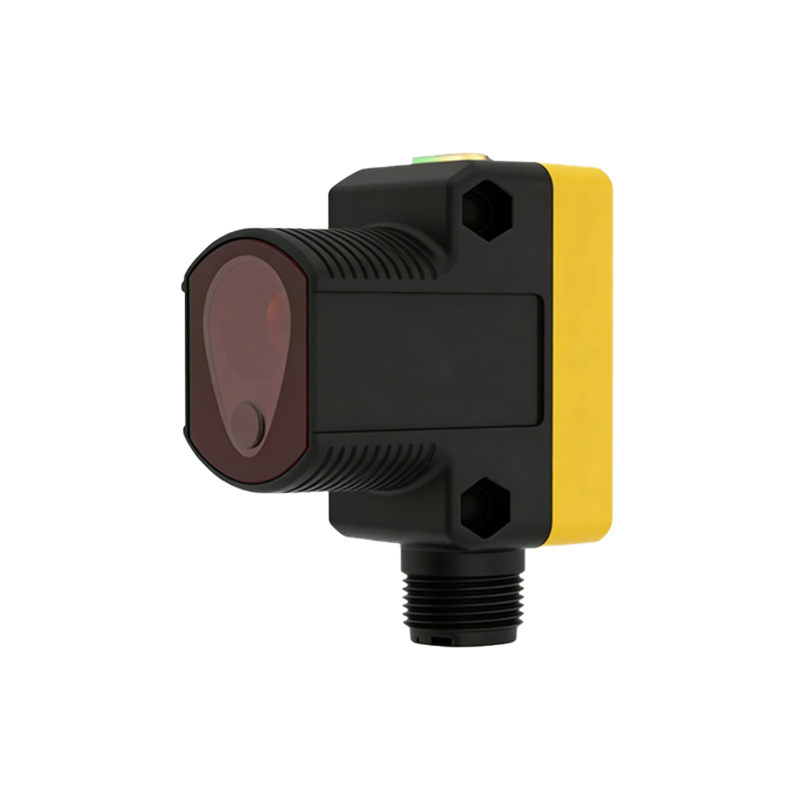
When selecting a photoelectric sensor, engineers must consider several technical parameters to ensure optimal performance. Sensing range defines the maximum distance at which an object can be reliably detected, varying from a few centimeters to over 100 meters depending on the mode and light source. Response time indicates how quickly the sensor reacts to changes, critical for high-speed applications such as bottling lines or electronic assembly. Output types include digital (e.g., NPN, PNP) and analog signals, with options for relay or IO-Link connectivity to integrate with PLCs and control systems. Environmental ratings, like IP67 or IP69K, denote resistance to dust and water ingress, while housing materials (e.g., stainless steel or plastic) affect durability in corrosive or explosive atmospheres. Advanced features may include teach-in functions for easy calibration, adjustable sensitivity, and built-in diagnostics to reduce downtime in automated processes.
Applications in Industrial Settings
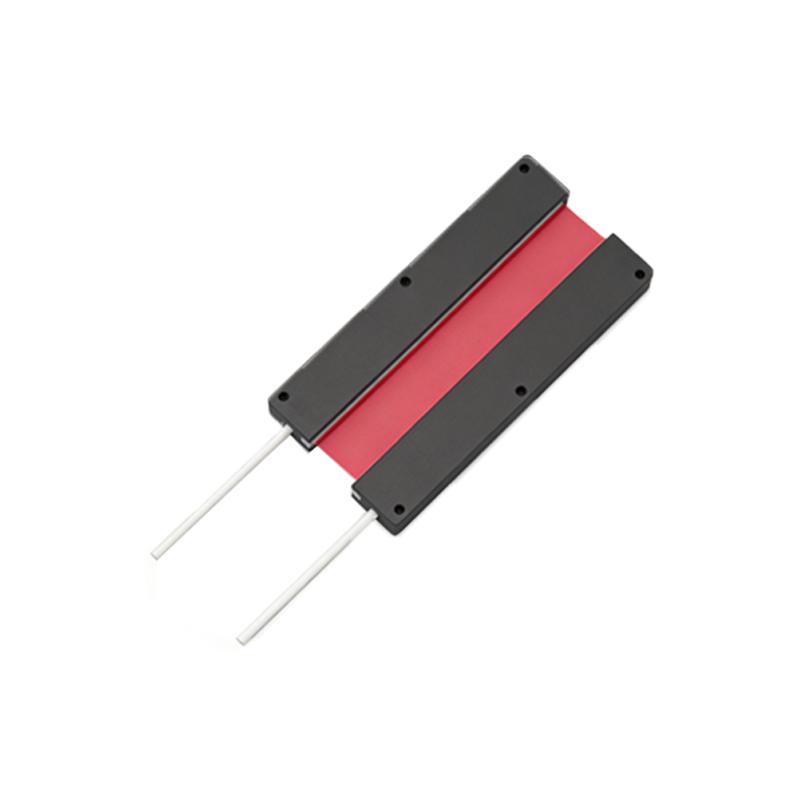
In industrial automation, photoelectric sensors serve as the eyes of machinery, enabling precise object detection and positioning. Common applications include part presence verification on assembly lines, where sensors ensure components are correctly placed before welding or fastening. In packaging, they count items, detect fill levels, and monitor label placement to maintain quality control. Material handling systems use them to track pallets, sort packages, and prevent collisions in automated guided vehicles (AGVs). Safety is another critical area, with sensors implementing light curtains to protect workers from moving equipment in hazardous zones. Emerging trends involve integration with Industry 4.0, where sensors provide real-time data for predictive maintenance and smart factory optimization, reducing waste and improving efficiency across sectors like automotive, pharmaceuticals, and food processing.
Installation and Maintenance Best Practices
Proper installation and maintenance are essential for maximizing the lifespan and accuracy of photoelectric sensors. During setup, align the emitter and receiver carefully to avoid misalignment, which can cause false triggers or reduced sensitivity. Mount sensors securely using brackets or fixtures to minimize vibration effects, and consider environmental factors like ambient light interference—shielding or using modulated light sources can mitigate this issue. Regular cleaning of lenses and reflectors prevents buildup of dust or debris that might attenuate the light beam. For maintenance, schedule periodic checks of wiring connections and output signals, leveraging diagnostic tools if available. Troubleshooting common problems, such as erratic behavior, often involves verifying power supply stability, checking for obstructions, and recalibrating sensitivity settings. By adhering to these practices, industries can ensure reliable sensor operation and minimize costly downtime.
Future Trends and Innovations
The future of photoelectric sensors is shaped by ongoing innovations aimed at enhancing intelligence and connectivity. Miniaturization allows for smaller sensors that fit into compact spaces without sacrificing performance, while energy-efficient designs support sustainable operations. Integration with IoT (Internet of Things) enables sensors to transmit data wirelessly to cloud platforms for advanced analytics, facilitating remote monitoring and control. Smart sensors with embedded AI capabilities can adapt to changing conditions, such as varying object colors or surface textures, improving detection accuracy in dynamic environments. Additionally, the development of multi-functional sensors that combine photoelectric sensing with other technologies, like temperature or pressure measurement, offers comprehensive solutions for complex automation tasks. As industries embrace digital transformation, photoelectric sensors will continue to evolve, driving efficiency and safety in next-generation smart factories.