Introduction to Photoelectric Sensing
Photoelectric proximity sensors are fundamental components in modern industrial automation, providing non-contact detection of objects. They operate by emitting a beam of light, typically infrared, visible red, or laser, and detecting changes in the received light signal caused by the presence of an object. Their performance is not defined by a single characteristic but by a suite of interrelated parameters. A deep understanding of these specifications is crucial for engineers to select the optimal sensor for a specific application, ensuring reliability, accuracy, and system efficiency. This article delves into the core performance parameters that define the capabilities and limitations of these versatile devices.
Sensing Distance and Range
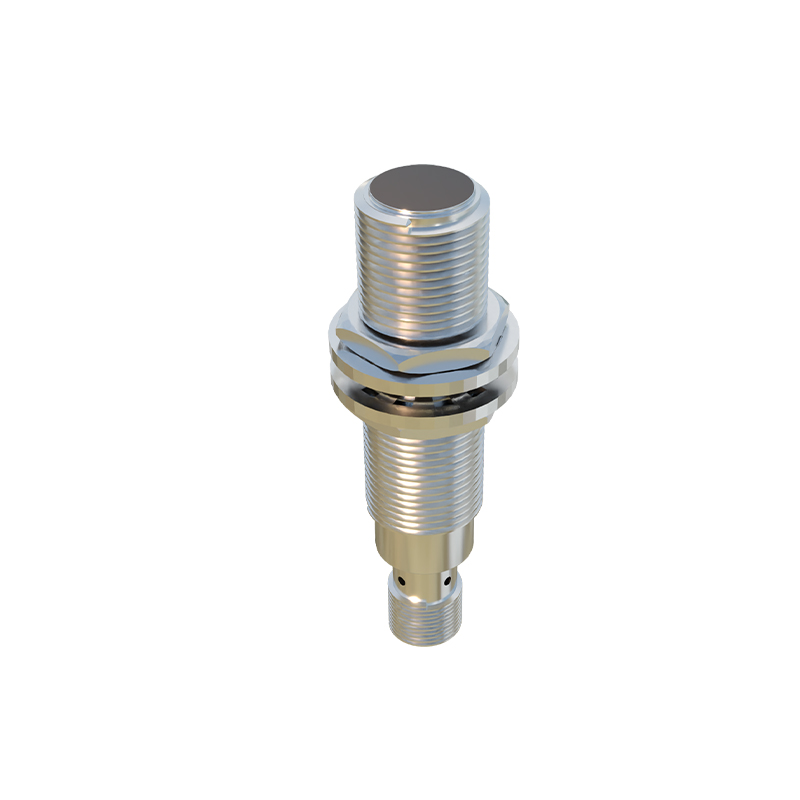
The sensing distance, often called the operating range, is a primary specification. It defines the maximum distance at which the sensor can reliably detect a standard target. This parameter varies significantly between different operating modes: diffuse (proximity), retro-reflective, and through-beam. For diffuse sensors, the effective sensing range depends on the target's size, color, and surface texture, with light-colored, matte surfaces offering the best performance. Manufacturers provide standardized detection curves for reference. It is critical to note the difference between the nominal sensing distance and the practical, real-world distance, which must account for environmental factors and target properties. Engineers should always apply a safety factor, typically 70-80% of the rated maximum, to ensure consistent operation under variable conditions.
Response Time and Switching Frequency
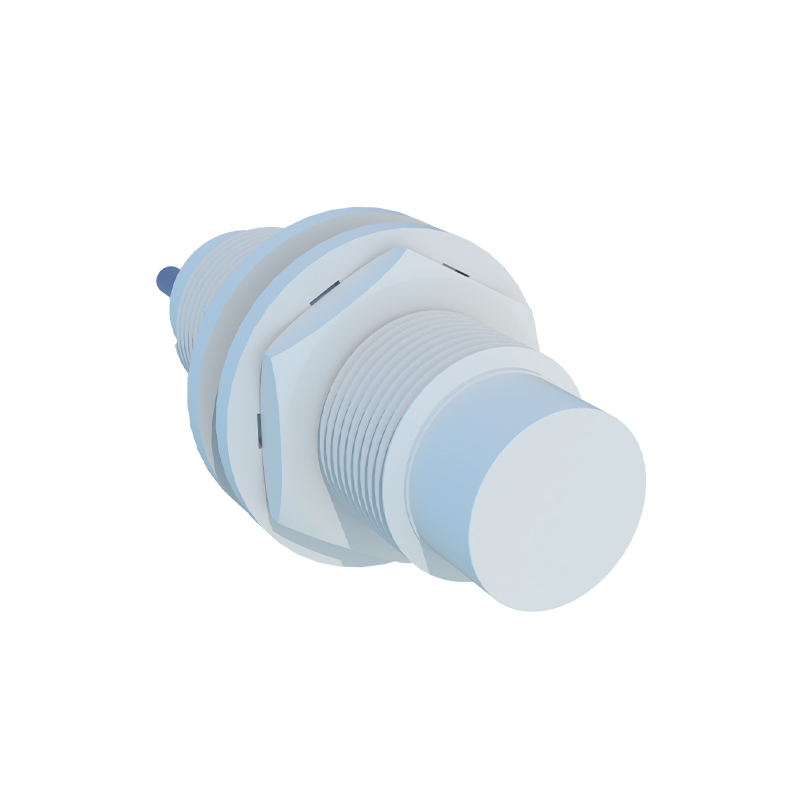
Response time quantifies how quickly a sensor can react to the appearance or disappearance of a target. It is usually measured in milliseconds (ms) or microseconds (µs) and includes both the rise time (target detection) and fall time (target removal). A fast response time enables the detection of small, fast-moving objects on high-speed production lines. Closely related is the switching frequency, expressed in Hertz (Hz), which indicates the maximum number of on/off cycles the sensor can perform per second. For instance, a sensor with a 1 kHz switching frequency can theoretically detect up to 1000 objects per second. Selecting a sensor with a response time and switching frequency exceeding the application's requirements is essential to avoid missed detections and ensure process integrity.
Light Source and Spot Size
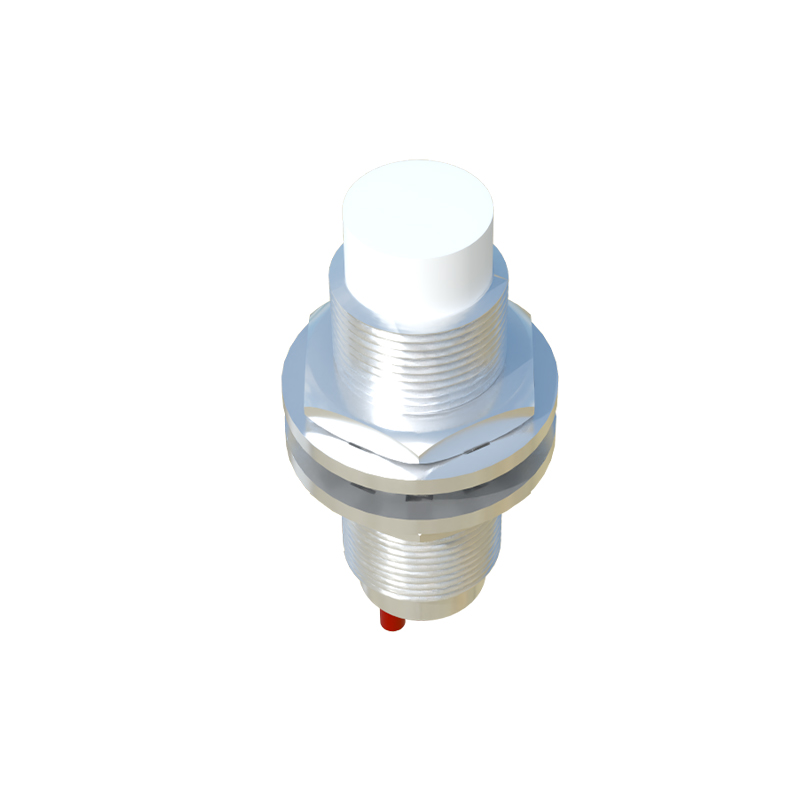
The choice of light source—Infrared (IR), Red LED, or Laser—profoundly impacts performance. IR sensors are common for their high energy output and immunity to ambient visible light but are invisible to the human eye. Red LED sensors provide a visible beam for easier alignment. Laser sensors offer extremely focused, high-intensity beams capable of long-range detection and sensing very small objects. The spot size, the diameter of the light beam at the target, is a critical parameter, especially for precision applications. A smaller spot size allows for higher resolution, enabling the detection of minute object features or precise edge positioning. However, a very small spot requires more precise alignment and can be more susceptible to contamination.
Environmental Robustness and Housing
Industrial environments are harsh. Key parameters here include the Ingress Protection (IP) rating, which defines protection against dust and liquids (e.g., IP67 for dust-tight and temporary immersion). Operating temperature range specifies the ambient conditions within which the sensor will function correctly. Resistance to specific chemicals, oils, or coolants may also be required. Furthermore, the housing material (often stainless steel, nickel-plated brass, or PBT plastic) must withstand physical impact, vibration, and UV exposure if used outdoors. For washdown applications in food and beverage or pharmaceutical industries, sensors with high IP ratings (e.g., IP69K) and corrosion-resistant housings are mandatory.
Electrical Output and Connection
The electrical output type determines how the sensor interfaces with the control system. Common configurations include DC PNP (sourcing), NPN (sinking), or push-pull outputs, as well as analog current (4-20 mA) or voltage (0-10V) outputs for distance-proportional measurement. The load current rating must be compatible with the connected device, such as a PLC input or a relay. Connection methods range from quick-disconnect M8 or M12 connectors, which simplify maintenance, to fixed cable glands. Selecting the correct output type and connection is vital for seamless integration into the existing electrical architecture and preventing damage to the sensor or controller.
Repeatability and Temperature Drift
Repeatability, often confused with accuracy, is arguably more important for most industrial applications. It refers to the sensor's ability to consistently detect an object at the same distance under unchanged conditions. It is a measure of precision and is typically a very small value (e.g., ±0.1% of the sensing distance). Temperature drift describes the change