Magnetic proximity sensors are essential components in modern industrial automation, offering reliable, non-contact detection of ferrous objects. Their pricing at the factory level is a critical consideration for OEMs, system integrators, and procurement specialists. The factory price, or ex-works price, is not a single figure but a spectrum influenced by a complex interplay of technical specifications, manufacturing scale, and supply chain dynamics.
At its core, the cost structure begins with the raw materials and core technology. Sensors based on reed switch technology are generally the most cost-effective entry point. Their simple mechanical design translates to lower manufacturing costs. In contrast, sensors utilizing Hall-effect or magnetoresistive technologies command a higher price. These solid-state electronics offer superior performance—such as faster switching frequencies, greater sensing distances, and the ability to detect magnetic fields rather than just physical contact—but involve more sophisticated semiconductor components and precise calibration, increasing the unit cost.
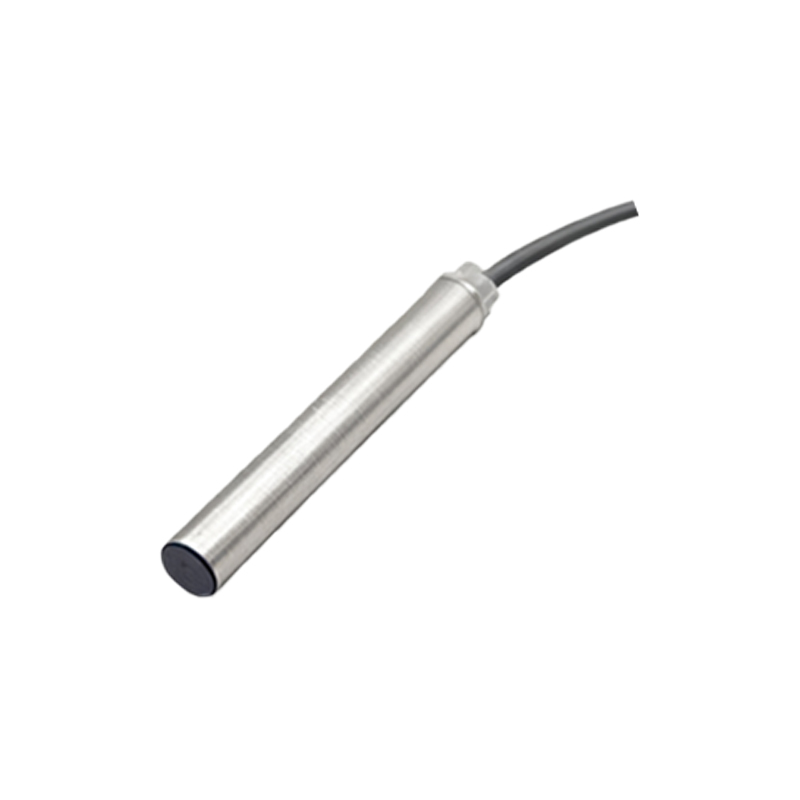
The specific performance parameters directly sway the price. A sensor with a standard 5mm sensing range will be less expensive than one rated for 15mm. Similarly, housing material is a major factor. Plastic (PBT) or nickel-plated brass housings are standard for cost-sensitive applications, while stainless steel (e.g., V4A/316) housings, necessary for corrosive or washdown environments (IP67, IP69K), add significant material and machining costs. Output type also plays a role; a basic Normally Open (NO) PNP transistor output is common, but configurations requiring Normally Closed (NC), NPN, analog (4-20mA, 0-10V), or IO-Link digital communication interfaces introduce more complex circuitry and firmware, elevating the price.
Beyond the product itself, economies of scale are the most powerful price determinant. A factory order for 10,000 units will have a drastically lower per-unit cost compared to a batch of 100. Large volumes allow manufacturers to optimize production lines, purchase materials in bulk at discounted rates, and amortize fixed costs like tooling and R&D over many units. This is why prices listed on distributor websites for single pieces are often multiples of the true factory price for volume buyers.
The global supply chain and component sourcing strategies of the manufacturer are crucial but often hidden factors. A brand producing sensors with in-house designed ASICs (Application-Specific Integrated Circuits) may have better cost control than one reliant on commodity ICs from the open market, which are subject to volatility. Geopolitical factors, shipping logistics, and regional labor costs at the production facility also subtly influence the final ex-works price.
Furthermore, the degree of customization required can move the price needle. Standard, catalog-specified sensors are the most affordable. Any deviation—a special cable length, a unique connector, an atypical housing shape, or a modified switching characteristic—requires additional engineering, separate production setup, and testing, leading to non-recurring engineering (NRE) charges and a higher per-unit cost.
When evaluating factory prices, it is imperative to look beyond the initial quote. The total cost of ownership (TCO) includes reliability (mean time between failures), which affects downtime; consistency in performance, which impacts quality control; and the manufacturer's technical support and warranty terms. A slightly higher price from a reputable manufacturer with proven quality control often yields lower long-term costs through reduced failures and system interruptions.
In conclusion, the factory price of a magnetic proximity sensor is a function of its technology tier, performance envelope, environmental robustness, order volume, and standardization level. Informed buyers engage in detailed technical discussions with manufacturers or their authorized distributors, providing clear application requirements to receive accurate volume pricing. The goal is to find the optimal balance between sensor capability, durability, and cost to achieve both operational efficiency and economic viability in automated systems.