Introduction to Photoelectric Sensors in HVAC
Photoelectric sensors are critical components in modern air conditioning systems, primarily responsible for detecting airflow, monitoring filter status, and ensuring safety mechanisms. These sensors operate by emitting a light beam, often infrared, and measuring the intensity of light received by a photodetector. Any interruption or change in this light path is interpreted as a signal, triggering system responses. In HVAC applications, they are commonly found in air handlers, ductwork, and within specific units to confirm fan operation, detect blockages, or signal when a filter requires replacement. Their reliability is paramount for system efficiency and automated functionality.
Primary Symptom: Erratic System Cycling or Failure to Start
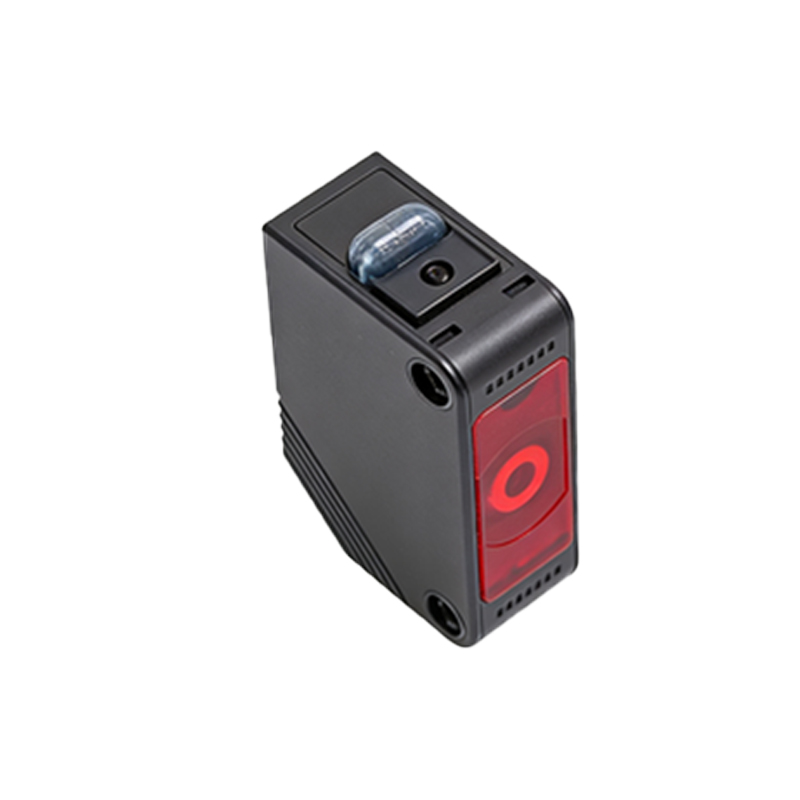
One of the most immediate signs of a failing photoelectric sensor is irregular system behavior. The air conditioning unit may exhibit short cycling—turning on and off repeatedly in quick succession—or it may fail to start altogether. This occurs because the control board relies on a confirmation signal from sensors like the airflow or safety sensor to initiate the cooling cycle. If the photoelectric sensor provides a false "no airflow" signal due to internal failure or misalignment, the system's safety protocols will prevent the compressor or fan from engaging, assuming a blockage or fault exists. Technicians often trace unexplained startup failures directly to sensor integrity.
Inaccurate or Persistent Filter Status Alerts
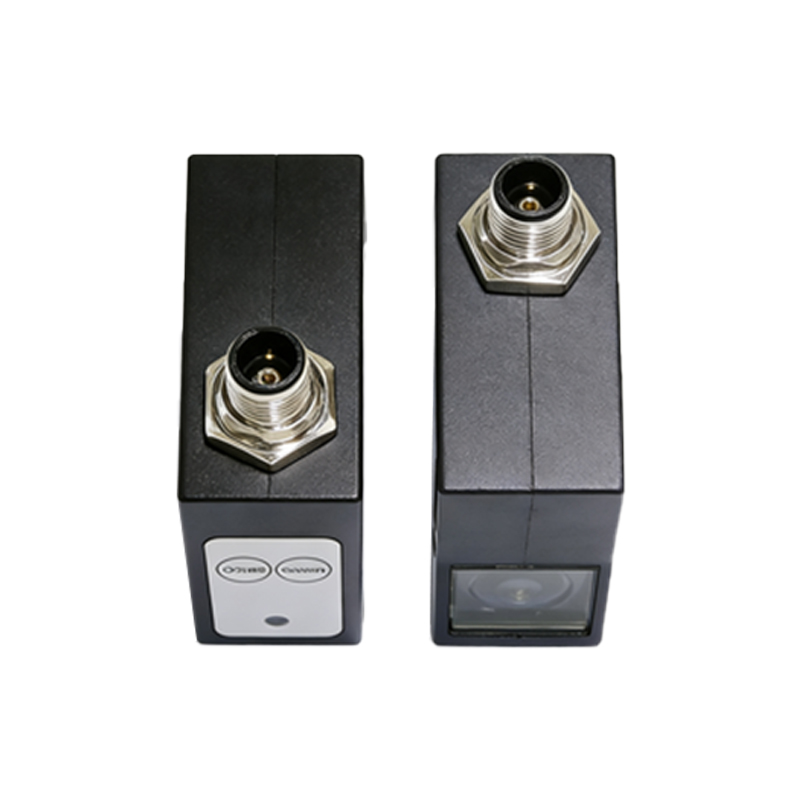
Many advanced AC systems feature filter monitoring alerts powered by photoelectric sensors. A clear symptom of sensor malfunction is a persistent "Replace Filter" alert on the thermostat or control panel, even immediately after installing a brand-new, clean filter. Conversely, a completely clogged filter might not trigger any alert at all. This indicates the sensor's beam is either permanently interrupted (giving a constant dirty signal) or not being obstructed properly (failing to detect actual dirt buildup). This failure negates a key maintenance feature, potentially leading to reduced airflow and efficiency if ignored.
Complete Loss of Airflow Measurement and Control
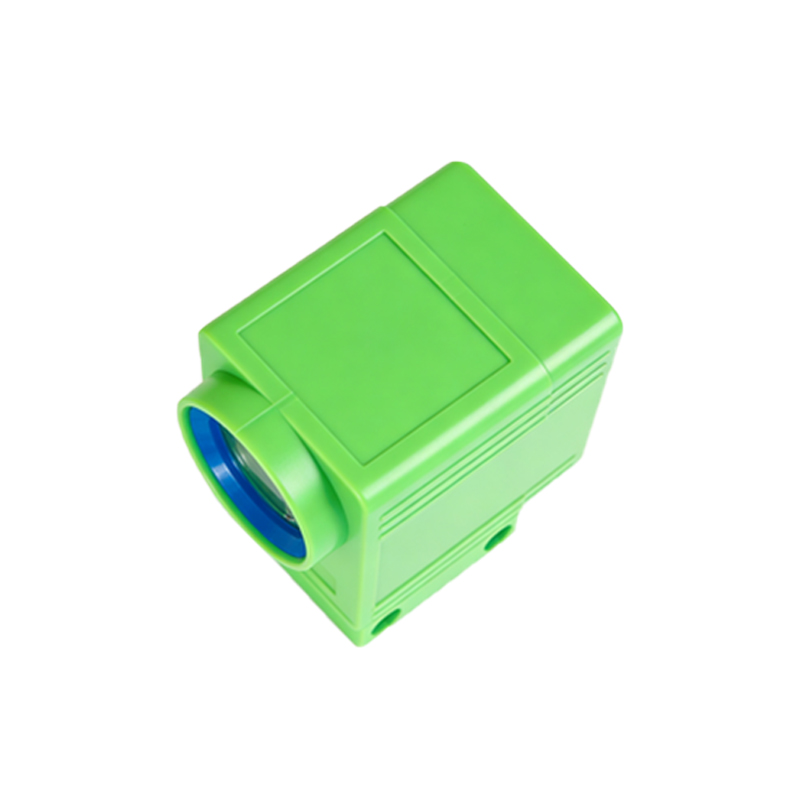
In variable air volume (VAV) systems and sophisticated units, photoelectric sensors are integral for measuring airflow velocity. A faulty sensor will typically default to a zero or minimal reading. This can cause the system control board to incorrectly modulate fan speeds, often resulting in inadequate cooling, frozen evaporator coils from insufficient airflow, or excessive energy consumption as the fan runs at incorrect speeds to compensate for the erroneous data. Occupants may complain of poor temperature regulation or inconsistent comfort levels throughout the building.
Visible Physical Damage or Contamination
While not always apparent without inspection, physical signs can point to sensor failure. During maintenance, technicians might find the sensor's lens clouded with dust, grease, or mold, which scatters or blocks the light beam. Cracks in the housing, moisture ingress, or loose wiring connections are also clear indicators. Environmental factors like excessive vibration, high humidity, or chemical exposure near the sensor can degrade its components over time. Regular visual inspection of the sensor's emitter and receiver windows is a standard diagnostic step.
Diagnostic Trouble Codes and System Logs
Modern HVAC systems with sophisticated control boards often log fault codes. A failing photoelectric sensor frequently triggers specific error codes related to airflow proving, loss of feedback, or open/short circuit in the sensor circuit. Common codes might include "AF" for airflow fault or more manufacturer-specific alphanumeric codes. Consulting the unit's service manual is essential to interpret these codes accurately. An intermittent fault may appear in the history log even if the system is currently operating, providing a crucial clue for preemptive repair.
Impact on System Safety and Efficiency
Beyond comfort, a malfunctioning photoelectric sensor can compromise system safety and efficiency. Safety sensors designed to prevent overheating in fan coils or blocked vent scenarios will not function, creating potential fire hazards or equipment damage. From an efficiency standpoint, the system cannot optimize its operation based on real-time conditions, leading to wasted energy, increased wear on components like compressors and fans, and higher operational costs. The system essentially operates "blind" to a key set of operational parameters.
Basic Troubleshooting and Verification Steps
Before replacement, a few verification steps can confirm sensor failure. Power to the unit must be disconnected for safety. A multimeter can check for proper voltage supply to the sensor. Using a clean, soft cloth to wipe the lens of both the emitter and receiver is a simple first step. For testing, a technician may manually interrupt the light beam with an opaque object; a functional sensor will show a change in state on a meter or trigger an audible signal if so equipped. Checking for proper alignment between the emitter and receiver is also critical, as vibration can misalign them over time.
Conclusion: The Importance of Professional Assessment and Replacement
While symptoms can indicate a photoelectric sensor problem, definitive diagnosis and replacement should be handled by a qualified HVAC technician. They possess the tools to accurately test sensor output, interpret system codes, and ensure the correct replacement part is installed. Attempting a DIY repair on complex system sensors can lead to further misdiagnosis or void equipment warranties. Proactive maintenance schedules should include sensor inspection and testing to prevent unexpected failures during peak cooling seasons, ensuring system reliability, efficiency, and longevity.