Introduction to Siko Photoelectric Sensors
Siko GmbH, a renowned German manufacturer of measurement and positioning systems, offers a robust portfolio of photoelectric sensors known for their precision, durability, and versatility in industrial automation. These sensors utilize light beams to detect the presence, absence, or distance of objects without physical contact. Understanding the detailed parameter table of a Siko photoelectric sensor is crucial for engineers and system integrators to select the optimal device for specific application requirements, ensuring reliable operation in diverse and often harsh environments. This guide provides a comprehensive breakdown of the key parameters found in a typical Siko photoelectric sensor datasheet.
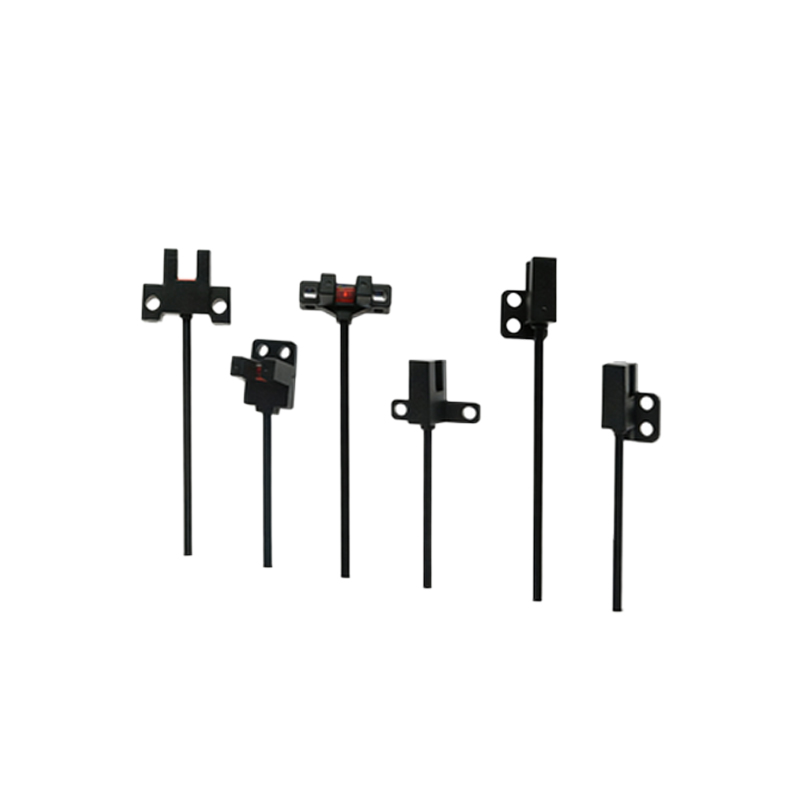
Core Sensing Parameters and Specifications
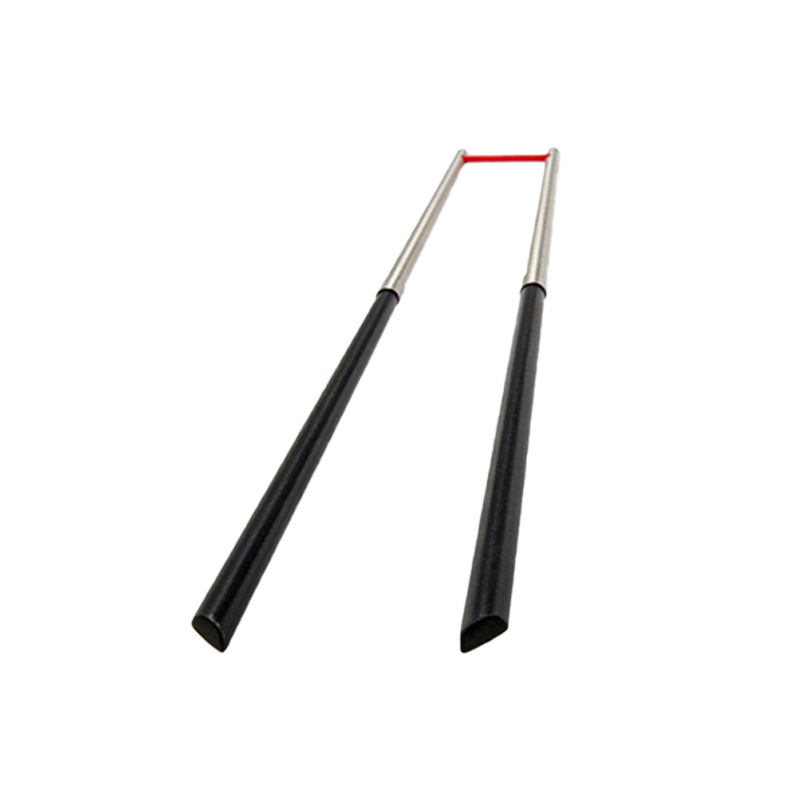
The heart of any sensor selection lies in its core technical specifications. For Siko photoelectric sensors, this begins with the Sensing Range. This parameter defines the maximum distance at which the sensor can reliably detect a standard target. Siko offers variants including diffuse, retro-reflective, and through-beam models, each with distinct range capabilities. Next is the Light Source, typically a red or infrared LED, or a laser diode for high-precision applications. The associated Light Spot Diameter is critical for detecting small objects. Response Time indicates how quickly the sensor reacts to a change in state, measured in milliseconds, which is vital for high-speed production lines. Finally, the Repeat Accuracy specifies the consistency of detection at a fixed distance, a key metric for precision positioning tasks.
Electrical Characteristics and Output Configuration
Integrating the sensor into a control system requires careful attention to its electrical interface. The Supply Voltage range (e.g., 10-30 V DC) defines the power requirements. Current Consumption is important for calculating the load on the power supply. The Output Type is a fundamental choice: Siko sensors commonly provide switching outputs such as PNP (sourcing), NPN (sinking), or push-pull configurations, alongside analog outputs (0-10V, 4-20mA) for distance-proportional measurement. The Output Function can be light-on or dark-on, defining the logic state when an object is detected. Switching Capacity (max. load current) and Short-Circuit Protection are essential for ensuring circuit safety and longevity.
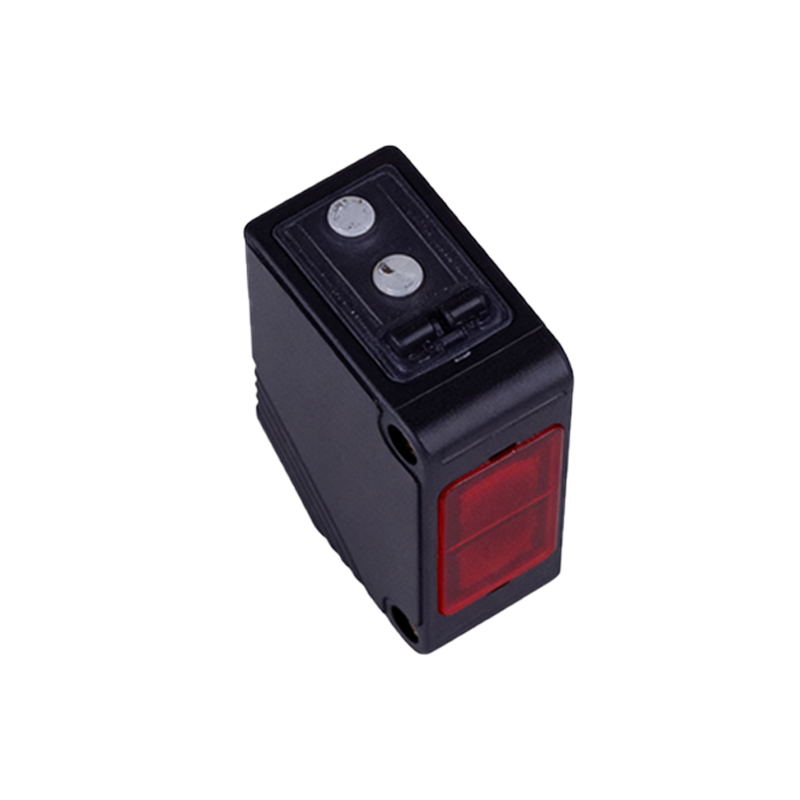
Mechanical and Environmental Specifications
The physical build and environmental resilience determine where a sensor can be deployed. The Housing Material, often made of robust plastics like PBT or stainless steel, provides mechanical strength and chemical resistance. The Protection Rating per IP (Ingress Protection) and NEMA standards (e.g., IP67, IP69K) indicates the level of protection against dust and water ingress, which is critical for washdown areas or outdoor use. The Operating Temperature range specifies the ambient conditions the sensor can withstand without performance degradation. Additional parameters may include Vibration and Shock Resistance ratings, ensuring stability in mobile machinery or high-vibration environments.
Functional Features and Adjustability
Modern Siko photoelectric sensors incorporate intelligent features that enhance functionality. Many models include a Teach-In Function, allowing for quick and easy setting of the switching point via a button or remote input. Sensitivity Adjustment via potentiometer or digital interface helps fine-tune the sensor for challenging targets or environmental conditions like dust or background interference. Diagnostic Indicators are crucial for maintenance; these typically include a stable LED for power and a blinking or color-changing LED for output status or signal strength. Some advanced sensors offer IO-Link communication, enabling digital parameter setting, process data transmission, and advanced diagnostic capabilities directly to the PLC.
Application-Specific Parameters and Selection Criteria
Selecting the correct sensor involves matching its parameters to the application's unique demands. For Object Detection, consider the minimum detectable object size relative to the light spot, material, color, and surface finish. For Distance Measurement tasks using analog sensors, key parameters include Linearity Error and Resolution. In high-speed Contrast Detection (e.g., label sensing), parameters like Contrast and the sensor's ability to handle different background colors are paramount. Always cross-reference the application's environmental challenges—such as temperature extremes, presence of cleaning agents, or optical interference from ambient light—with the sensor's environmental ratings and functional features like background suppression.
Interpreting the Parameter Table for System Integration
A systematic approach to the parameter table prevents integration issues. First, verify the Mechanical Dimensions and Mounting options (bracket, threaded barrel) to ensure physical compatibility. Check the Connection Method—pre-wired cable, M8 or M12 connector—and pin assignment. Review all Electrical Connection Diagrams provided. For complex setups, note any special conditions listed in the notes section of the datasheet, such as minimum load requirements for analog outputs or derating curves for extreme temperatures. Confirming compatibility with the existing control system's voltage levels and input card types (sourcing vs. sinking) is a final, critical step before procurement and installation.