Understanding Photoelectric Sensors
Photoelectric sensors are indispensable components in modern industrial automation, providing reliable object detection, positioning, and inspection. These devices operate by emitting a beam of light, typically from an LED, and detecting changes in the received light intensity caused by the presence or absence of a target object. The West Store brand has established itself as a significant player in this field, offering a diverse portfolio of sensors known for their durability and precision. Their product range caters to various detection methods, including through-beam, retro-reflective, and diffuse reflective models, each suited for specific environmental challenges and application requirements. The core advantage lies in their non-contact operation, allowing for the detection of objects without physical interaction, which minimizes wear and tear and ensures long-term operational stability in demanding factory settings.
Key Product Features and Technological Edge
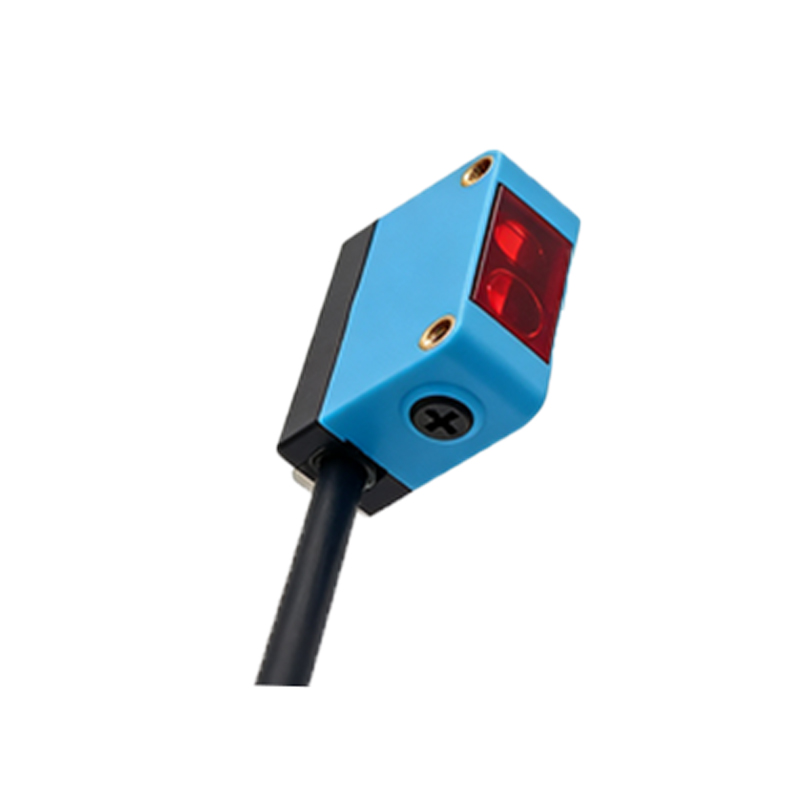
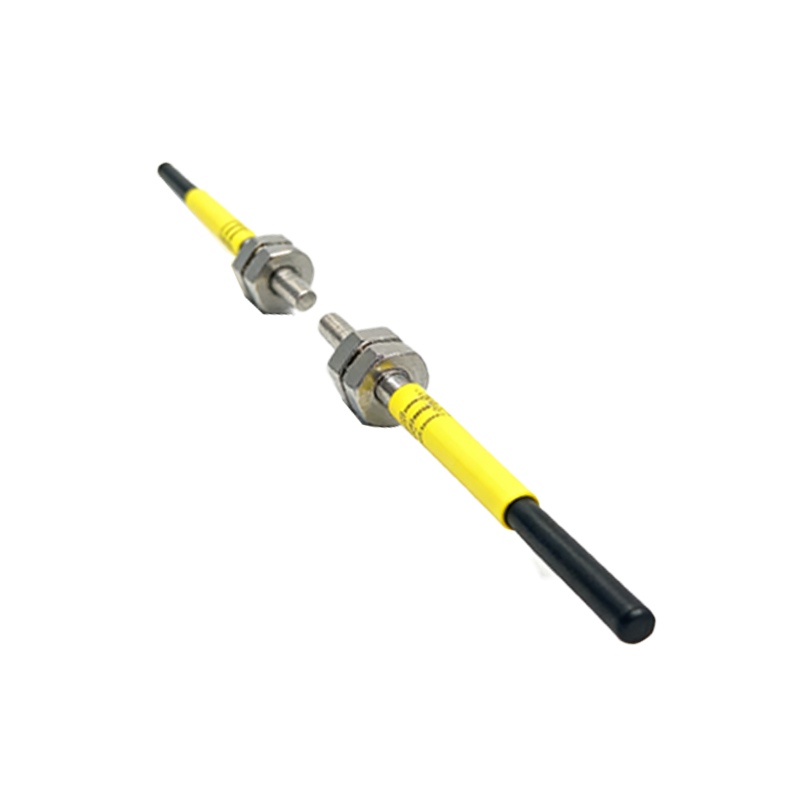
West Store photoelectric sensors incorporate several advanced features that enhance their performance and versatility. Many models are equipped with robust housing, often rated IP67 or higher, making them resistant to dust, water, and oil splashes—a critical requirement for harsh industrial environments. They offer a variety of output options, including NPN, PNP, and relay outputs, ensuring compatibility with a wide array of PLCs and control systems. Advanced models feature background suppression technology, which allows for precise detection regardless of the target object's color or reflectivity by focusing on the distance rather than the intensity of reflected light. Additionally, laser models provide extremely small, precise light spots for detecting minute objects or precise edge detection, while fiber optic versions enable sensing in extremely tight spaces or high-temperature areas.
Primary Industrial Applications and Use Cases
The application scope for West Store photoelectric sensors is vast, spanning numerous sectors. In packaging and material handling, they are crucial for detecting the presence of boxes on conveyor belts, counting products, and ensuring correct bottle cap placement. Within the automotive manufacturing industry, these sensors verify part assembly, monitor robotic arm positions, and control automated welding processes. They play a vital role in the food and beverage sector for liquid level control, label detection, and tamper-evident seal verification. Furthermore, in warehouse and logistics automation, they facilitate palletizing, sortation, and automated guided vehicle (AGV) navigation by providing accurate position feedback. Their reliability in detecting transparent objects, such as glass or plastic films, is particularly valued.
Factors Influencing Sales and Selection Criteria
Sales of West Store photoelectric sensors are driven by several key factors that engineers and procurement specialists must consider. The sensing range is paramount; choosing a sensor with an appropriate range for the application prevents false triggers or missed detections. The response time, or how quickly the sensor can detect a change and send a signal, is critical in high-speed production lines. Environmental conditions, such as ambient light interference, temperature extremes, and exposure to chemicals, dictate the required housing material and ingress protection rating. The size and mounting style of the sensor must also fit the mechanical constraints of the machinery. Finally, ease of setup and adjustment, often facilitated by built-in sensitivity potentiometers or teach-in functions, significantly impacts installation time and long-term maintenance.
Installation Best Practices and Maintenance
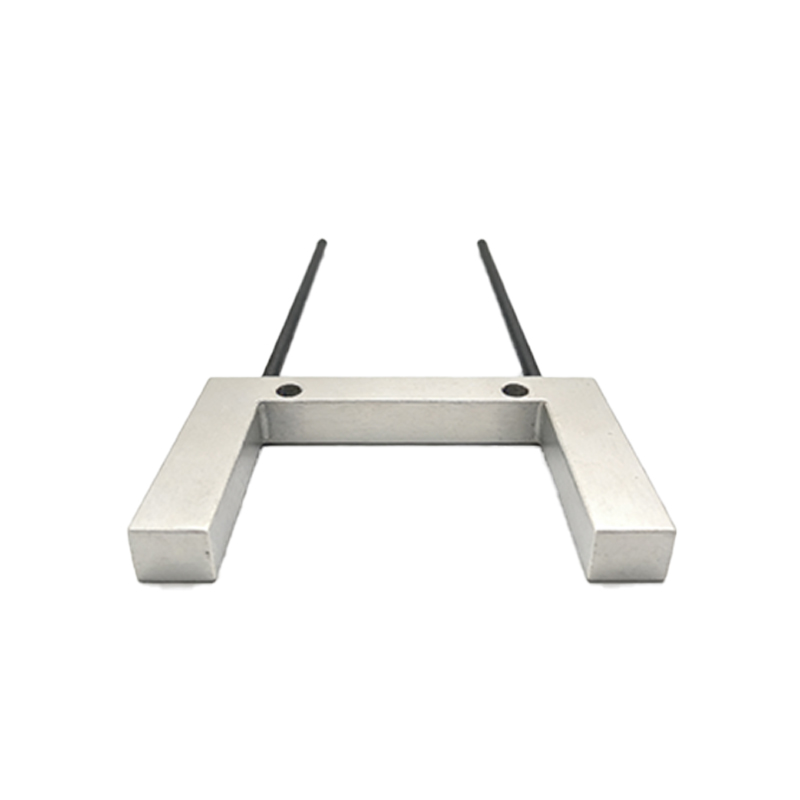
Proper installation is crucial for maximizing the performance and lifespan of any photoelectric sensor. For through-beam sensors, precise alignment of the emitter and receiver is essential; even minor misalignment can cause operational failure. When installing diffuse or retro-reflective sensors, it is important to consider the reflectivity and color of the target object, as well as potential background interference. Mounting the sensor securely to minimize vibration is recommended to maintain consistent alignment. Regular maintenance involves keeping the lens clean from dust, oil, or debris that could attenuate the light beam. Periodically checking the alignment and verifying the output signal under normal operating conditions helps in preempting failures. Most West Store sensors are designed for minimal maintenance, but these simple steps ensure optimal reliability.
Market Trends and Future Outlook
The market for industrial photoelectric sensors, including those from West Store, is evolving with several clear trends. There is a growing demand for sensors with integrated IO-Link communication, which enables advanced diagnostics, parameter setting, and seamless integration into Industry 4.0 and smart factory networks. Miniaturization continues, allowing sensors to be installed in increasingly compact machinery. Enhanced resistance to challenging conditions, like intense washdowns in food processing, is also a key development area. Furthermore, the integration of multiple sensing principles (e.g., photoelectric combined with ultrasonic) into a single device is emerging to handle complex detection tasks. As automation and robotics expand, the demand for precise, reliable, and connected sensing solutions like those offered by West Store is projected to see sustained growth.