Introduction to Proximity Sensors
Proximity sensors are vital components in modern industrial automation, detecting the presence or absence of an object without physical contact. They operate by emitting an electromagnetic field or a beam of radiation and then monitoring for changes in the field or return signal. This non-contact detection capability makes them ideal for harsh environments, high-speed applications, and scenarios where object preservation is critical. From assembly lines to automotive safety systems, their reliability and versatility are unmatched. Understanding the different types and their specific models is essential for selecting the right sensor for any application.
Inductive Proximity Sensors
Inductive proximity sensors are designed to detect metallic objects. They generate an oscillating electromagnetic field from a coil. When a metal target enters this field, it induces eddy currents, causing a change in oscillation amplitude. This change is detected by the sensor's circuitry, triggering an output signal. Common models include cylindrical housings like the Omron E2E series and rectangular styles such as the Sick IME series. They are highly resistant to environmental factors like dust, oil, and moisture, making them perfect for machine tools, material handling, and automotive manufacturing. Key specifications to consider are sensing distance, housing material (often nickel-plated brass or stainless steel), and output type (PNP/NPN).
Capacitive Proximity Sensors
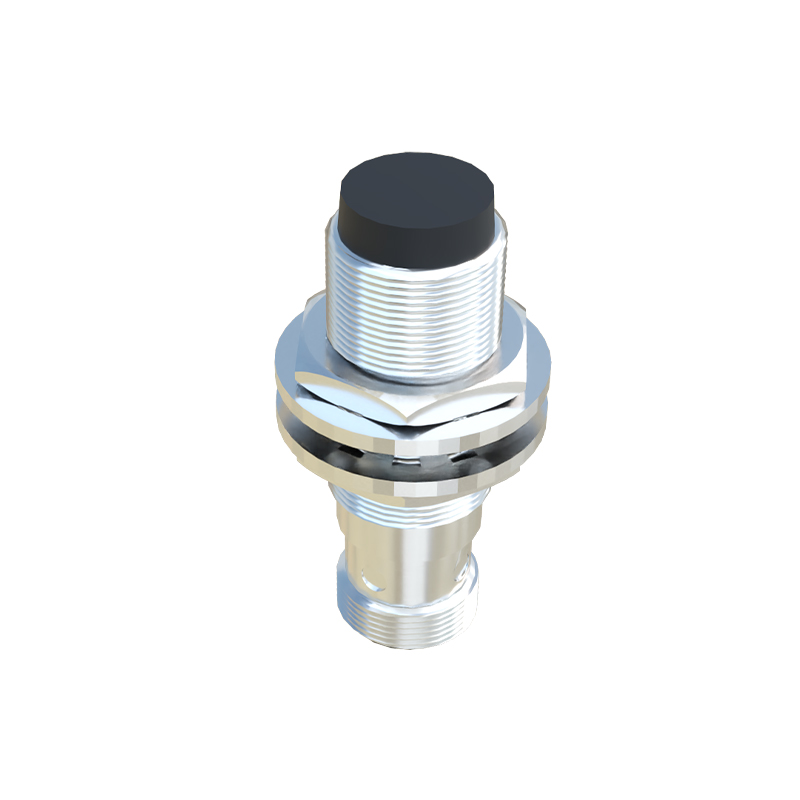
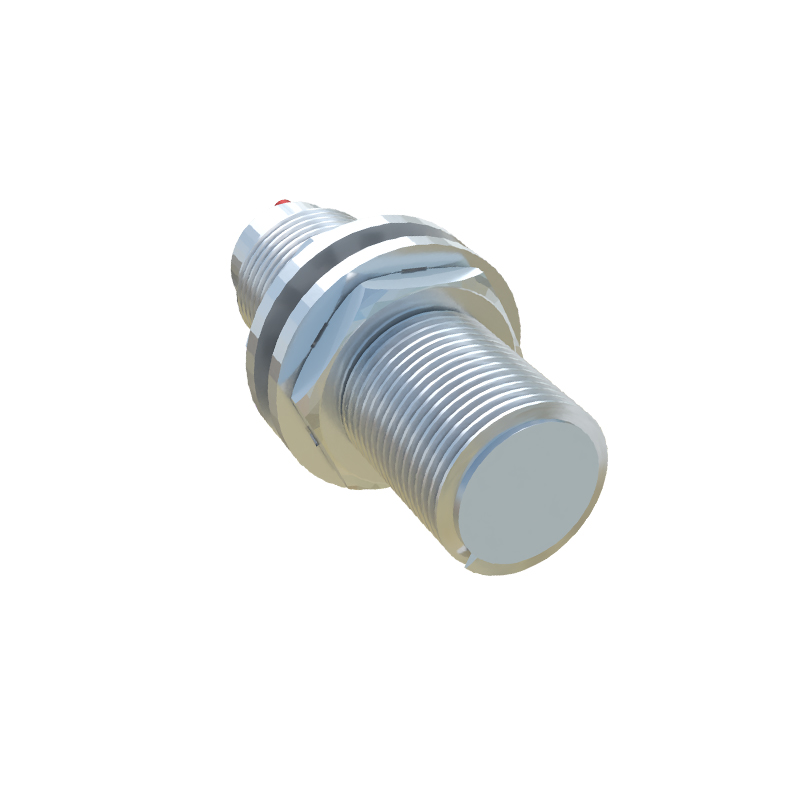
Unlike inductive sensors, capacitive proximity sensors can detect both metallic and non-metallic materials, including liquids, powders, plastics, and wood. They function by generating an electrostatic field. Any object entering this field alters the capacitance of the sensor's circuit, triggering detection. Models like the Pepperl+Fuchs C series or the Balluff BC series are widely used. These sensors often feature sensitivity adjustment potentiometers, allowing fine-tuning for specific materials or to ignore background interference. Typical applications include level detection in tanks (liquid or granular), material handling of non-metals, and touch-sensitive control panels. Their housing is typically made from plastics like PBT or PVDF for chemical resistance.
Photoelectric Sensors
Photoelectric sensors use light beams to detect objects. They consist of an emitter (light source) and a receiver. They are categorized mainly into three types: through-beam, retro-reflective, and diffuse reflective. Through-beam models, like the Banner QS18, have separate emitter and receiver units, offering the longest sensing ranges and high reliability. Retro-reflective types, such as the Sick WL12, use a single unit and a reflector, detecting objects that break the beam. Diffuse sensors, exemplified by the Keyence PZ series, detect light reflected directly from the target object. They are incredibly versatile, capable of detecting virtually any material, and are used in packaging, conveyor systems, and object counting. Modern models often feature laser or modulated LED light sources for precision.
Ultrasonic Proximity Sensors
Ultrasonic sensors measure distance or detect objects using sound waves beyond human hearing. They emit high-frequency sound pulses and calculate the time for the echo to return. This principle allows them to detect objects regardless of color, transparency, or material (except very soft, sound-absorbing materials). Popular models include the Siemens 3RG series and the ifm ultrasonic sensors. They are excellent for challenging applications like clear object detection, liquid level sensing in aggressive chemicals, and bulk material level monitoring. They can operate effectively in environments with dust, steam, or smoke where photoelectric sensors might fail. Key parameters are sensing range, beam angle, and response time.
Magnetic Proximity Sensors (Reed Switches)
Magnetic proximity sensors, commonly known as reed switches, detect the presence of a magnetic field, typically from a permanent magnet. They consist of two ferromagnetic reeds sealed in a glass tube. When a magnet approaches, the reeds attract and close the electrical contact. Cylindrical models like the Omron D4N or compact Sick M series are standard. Their primary advantage is complete isolation between the sensing element and the environment, as the contacts are hermetically sealed. This makes them ideal for hazardous or explosive atmospheres. They are frequently used for door and cover position detection, cylinder piston positioning, and low-speed rotational sensing. They are simple, cost-effective, and highly reliable for binary position feedback.
Selection Criteria and Model Comparison
Choosing the correct proximity sensor involves analyzing several factors. First, identify the target material: inductive for metals, capacitive for a wider range, photoelectric for most surfaces, ultrasonic for difficult conditions, and magnetic for specific positional feedback with a magnet. Next, consider the required