Introduction to Capacitive Proximity Sensors
Capacitive proximity sensors are versatile electronic devices designed to detect both metallic and non-metallic objects without physical contact. Operating on the principle of capacitance change, these sensors generate an electrostatic field. When a target object enters this field, it alters the capacitance of the sensor's circuit, triggering a switch output. This technology enables reliable detection of materials such as plastics, glass, liquids, wood, and granular substances, making it indispensable in diverse industrial settings. Unlike inductive sensors, which are limited to metals, capacitive sensors offer broader material compatibility, enhancing their utility in complex automation and process control systems.
Operating Principle and Core Technology
The fundamental operation relies on the capacitor formed between the sensor's active surface and the target. The sensor incorporates an oscillator circuit that generates an electrostatic field. As an object approaches, the dielectric properties between the sensor and ground change, increasing capacitance. Once capacitance reaches a preset threshold, the circuit activates, producing an output signal. Key components include a sensing electrode, oscillator, trigger circuit, and output switch. Advanced models feature adjustable sensitivity, allowing calibration for specific materials or environmental conditions, such as humidity or container walls, to prevent false triggers.
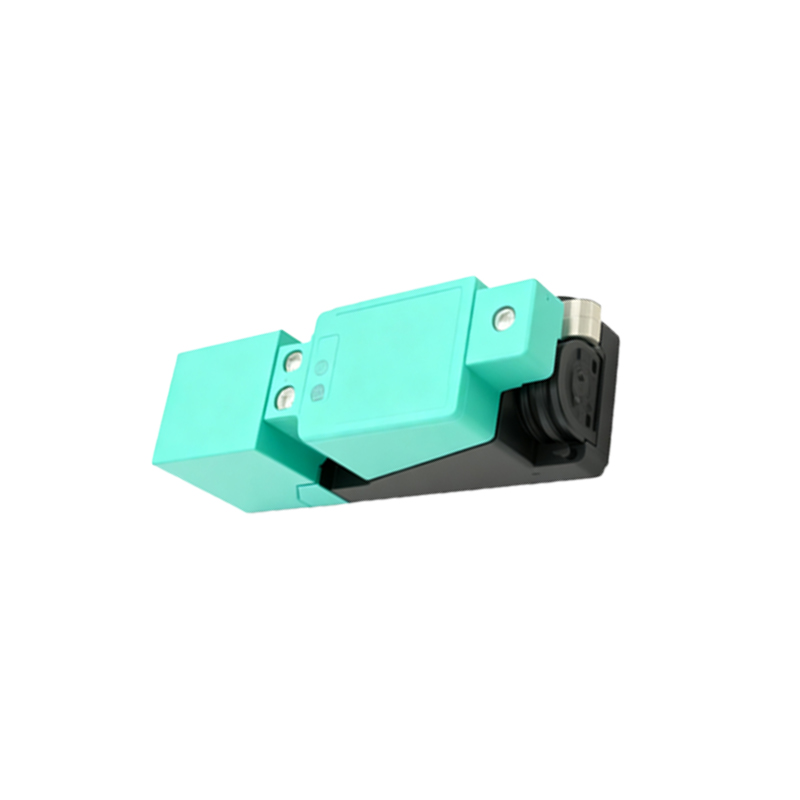
Key Features and Performance Specifications
Capacitive proximity sensors boast several critical features: high sensitivity to non-conductive materials, robust housing for harsh environments (often rated IP67 or higher), and wide operating temperature ranges. Typical sensing distances range from a few millimeters to about 50 millimeters, depending on the target material and sensor size. Response times are fast, often in milliseconds, ensuring real-time detection in high-speed applications. Additionally, they exhibit minimal hysteresis, providing consistent performance. Many industrial-grade sensors include LED indicators for status monitoring and offer various output options, such as NPN, PNP, or analog signals, for seamless integration with PLCs and control systems.
Industrial Applications and Use Cases
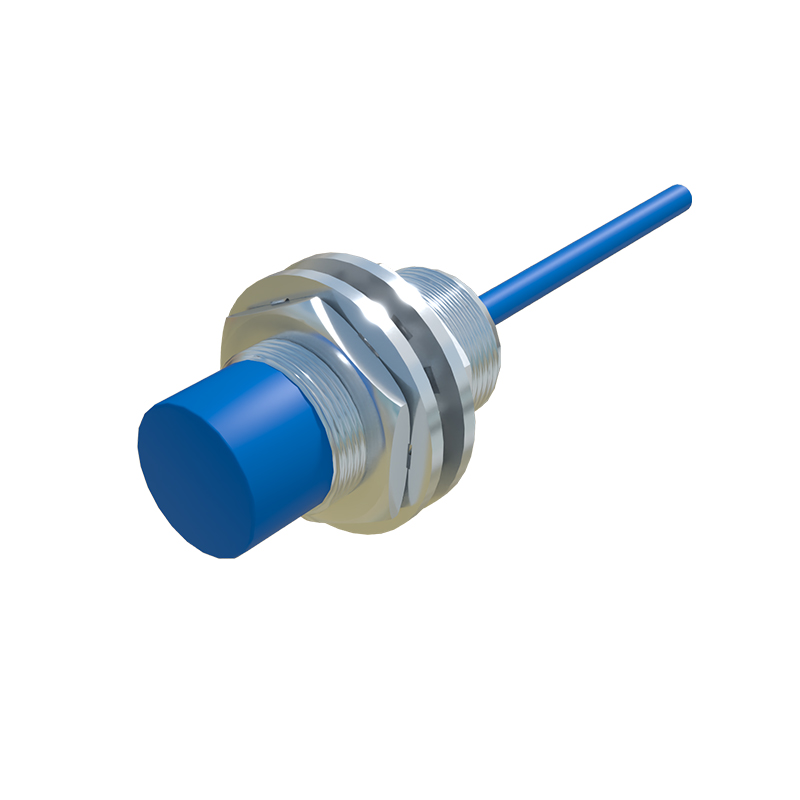
These sensors are widely deployed across industries for tasks like liquid level detection in tanks, material presence monitoring in packaging lines, and object counting in assembly systems. In food processing, they detect plastic or glass containers without contamination risk. In automotive manufacturing, they sense non-metallic components like tires or dashboards. Other applications include granular material monitoring in silos, paper sheet detection in printing, and proximity sensing in hazardous areas where contactless operation is essential. Their ability to function through non-metallic barriers allows installation outside containers, simplifying maintenance and reducing downtime.
Advantages Over Other Sensor Types
Compared to inductive or photoelectric sensors, capacitive variants excel in detecting non-metallic substances and are less affected by color, transparency, or surface reflectivity. They perform reliably in dusty or humid conditions where optical sensors might fail. While inductive sensors offer longer ranges for metals, capacitive sensors provide unmatched versatility for mixed-material environments. However, they may require careful tuning to avoid interference from environmental factors like moisture or temperature shifts. Overall, their adaptability makes them a cost-effective solution for complex detection challenges.
Installation and Calibration Best Practices
Proper installation ensures optimal performance. Sensors should be mounted securely, with the sensing area free from obstructions. It's crucial to maintain a stable environment, as factors like temperature fluctuations or nearby moving objects can affect readings. Calibration involves adjusting sensitivity using potentiometers or teach-in functions to set the detection threshold. For container-level sensing, sensors must be calibrated to ignore the container wall while detecting the material inside. Regular maintenance, including cleaning the sensing surface from debris, helps sustain accuracy and longevity in demanding industrial operations.
Future Trends and Technological Developments
Emerging trends include miniaturization for compact machinery, enhanced immunity to electromagnetic interference, and integration with IoT for smart factory applications. Modern sensors now feature digital interfaces and diagnostic capabilities, enabling predictive maintenance. Advances in materials science are improving durability and extending sensing ranges. As Industry 4.0 evolves, capacitive sensors will likely incorporate wireless connectivity and AI-driven adaptive sensing, further boosting efficiency in automated systems. These innovations promise to expand their role in sectors like renewable energy, pharmaceuticals, and robotics.
Conclusion and Selection Guidelines
Capacitive proximity sensors are a robust choice for detecting diverse materials in industrial automation. When selecting a sensor, consider factors like target material, required sensing distance, environmental conditions, and output compatibility. Evaluate specifications such as housing material, electrical ratings, and certifications for safety standards. Consulting manufacturer datasheets and application notes can aid in matching the sensor to specific needs. With proper implementation, these devices enhance process reliability, reduce manual intervention, and contribute to efficient, automated production lines, solidifying their status as a cornerstone of