Introduction to Photoelectric Sensors
Photoelectric sensors are pivotal components in modern security systems, utilizing light beams to detect the presence, absence, or distance of objects. These sensors operate by emitting a light source—typically infrared, visible, or laser light—and measuring the reflection or interruption of that light. In security applications, they serve as the first line of defense, offering non-contact detection that is both reliable and efficient. Their ability to monitor large areas with high precision makes them indispensable for intrusion detection, access control, and perimeter security. As technology advances, photoelectric sensors have evolved to incorporate smart features like adjustable sensitivity and connectivity with IoT networks, further solidifying their role in comprehensive safety solutions.
Working Principles and Types
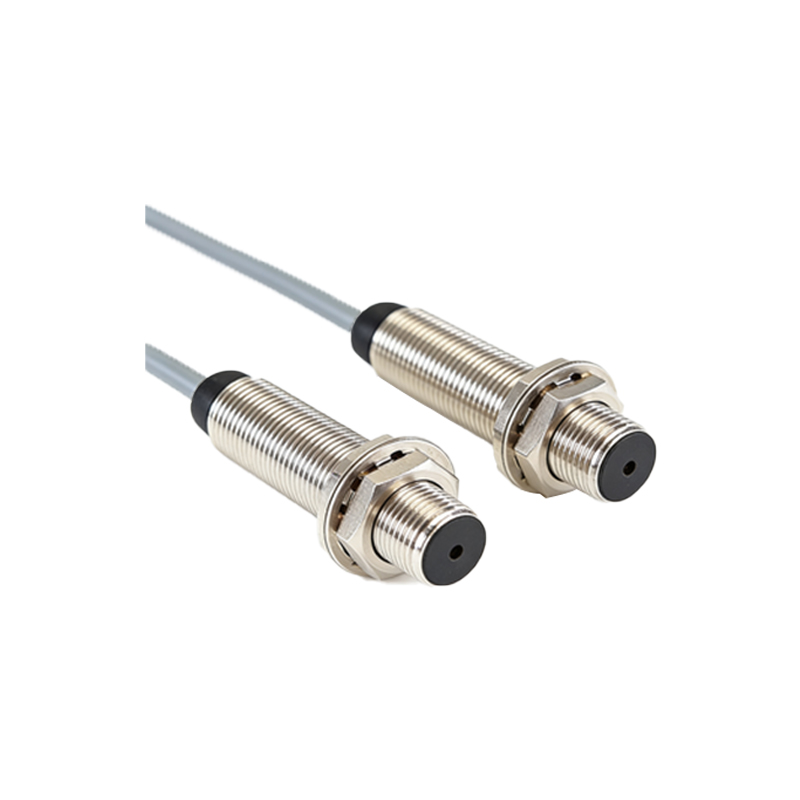
The functionality of photoelectric sensors is based on three primary operating modes: through-beam, retro-reflective, and diffuse-reflective. Through-beam sensors consist of separate emitter and receiver units; when an object interrupts the light beam between them, a signal is triggered. This mode offers long-range detection and high accuracy, ideal for securing gates or doorways. Retro-reflective sensors use a reflector to bounce light back to the receiver, with detection occurring when the beam is blocked. They are commonly deployed in indoor environments for monitoring restricted zones. Diffuse-reflective sensors rely on light reflecting directly off an object, making them suitable for close-range applications like object counting in secure areas. Each type is selected based on factors such as range, environmental conditions, and required sensitivity, ensuring optimal performance in diverse security scenarios.
Applications in Security Systems
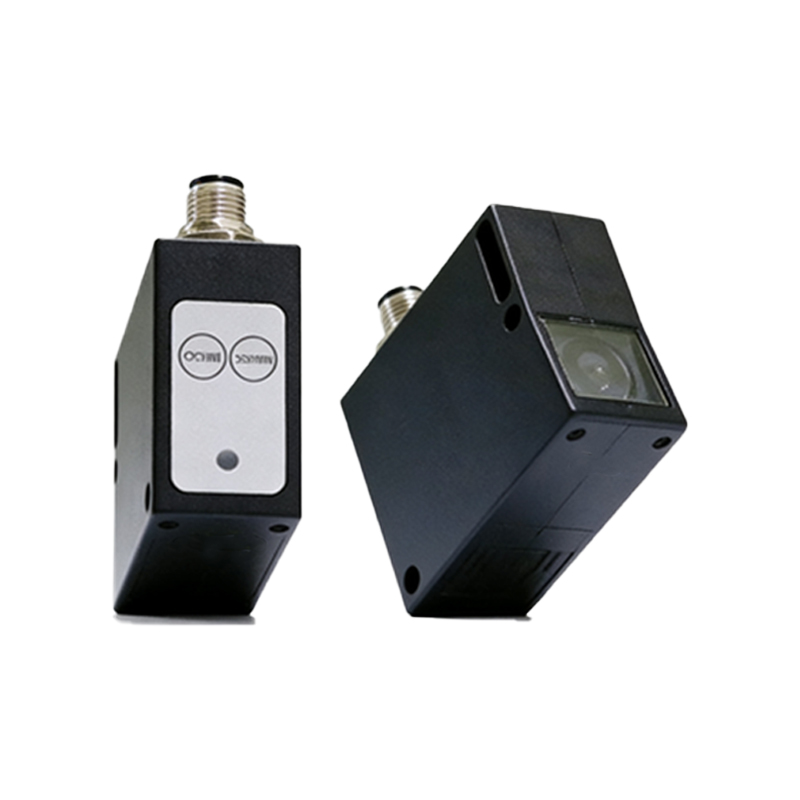
In the security industry, photoelectric sensors are extensively used for perimeter protection, intrusion alarms, and automated surveillance. For instance, they can be installed along fences or walls to detect unauthorized entry, triggering alarms or activating cameras upon beam interruption. In access control systems, sensors monitor door and window positions, ensuring they are properly closed or alerting to forced openings. Additionally, they play a crucial role in fire safety by detecting smoke particles through light scattering techniques. Advanced systems integrate these sensors with motion detectors and video analytics, creating layered security networks that minimize false alarms and enhance response times. From residential homes to industrial facilities, their versatility supports real-time monitoring and threat mitigation.
Advantages Over Other Sensor Technologies
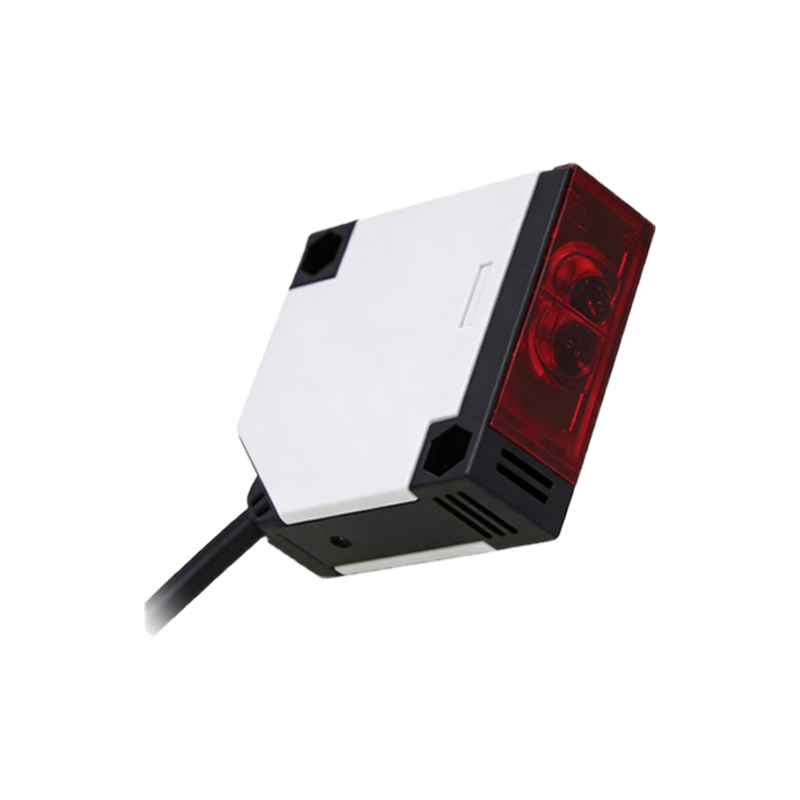
Compared to alternatives like ultrasonic or microwave sensors, photoelectric sensors offer distinct benefits in security contexts. They provide faster response times—often in milliseconds—enabling immediate detection of intrusions. Their non-contact nature reduces wear and tear, ensuring longevity and low maintenance. Moreover, they are less susceptible to environmental interference, such as temperature fluctuations or acoustic noise, which can affect other sensor types. With customizable beam patterns and ranges, they adapt to various layouts, from narrow corridors to expansive outdoor areas. Energy efficiency is another key advantage, as many models operate on low power, supporting sustainable security solutions. These attributes make photoelectric sensors a cost-effective and reliable choice for long-term safety deployments.
Challenges and Solutions
Despite their effectiveness, photoelectric sensors face challenges like false triggers from environmental factors (e.g., fog, dust, or animals) and alignment issues in outdoor settings. To address this, modern sensors incorporate features like background suppression, which ignores distant objects, and polarized filters to reduce glare from sunlight. Regular calibration and protective housings shield them from harsh weather, extending operational life. Integration with AI-driven systems allows for pattern recognition, distinguishing between human intrusions and benign movements. By combining multiple sensor types and using redundancy, security designers can overcome limitations, ensuring robust detection without compromising accuracy. Ongoing research focuses on enhancing durability and connectivity for smarter, adaptive security networks.
Future Trends and Innovations
The future of photoelectric sensors in security is shaped by trends toward miniaturization, wireless connectivity, and AI integration. Next-generation sensors are becoming smaller and more discreet, enabling seamless installation in smart homes and IoT ecosystems. Wireless models reduce wiring complexity and facilitate remote monitoring via cloud platforms. AI algorithms analyze sensor data in real-time, predicting potential threats and automating responses. Additionally, advancements in laser and LED technology improve range and precision, allowing for 3D mapping and gesture detection in high-security areas. As cybersecurity concerns grow, encrypted sensor communications will become standard to prevent hacking. These innovations promise to elevate photoelectric sensors from mere detectors to intelligent nodes in holistic security frameworks, driving safer and more connected environments.