Introduction to the 78 Photoelectric Sensor
The 78 photoelectric sensor represents a cornerstone in modern industrial automation, offering reliable object detection across a vast array of applications. These sensors operate on the fundamental principle of converting light signals into electrical currents. A typical 78 series sensor consists of an emitter, which projects a light beam—often infrared, red, or laser—and a receiver that detects the presence or absence of this beam. When an object interrupts or reflects this beam, the sensor's output state changes, triggering a control action in a PLC, relay, or other automation controller. Their versatility, non-contact operation, and long sensing ranges make them indispensable for tasks ranging from simple part detection on a conveyor to complex positioning in packaging machinery.
Key Operating Modes and Technologies
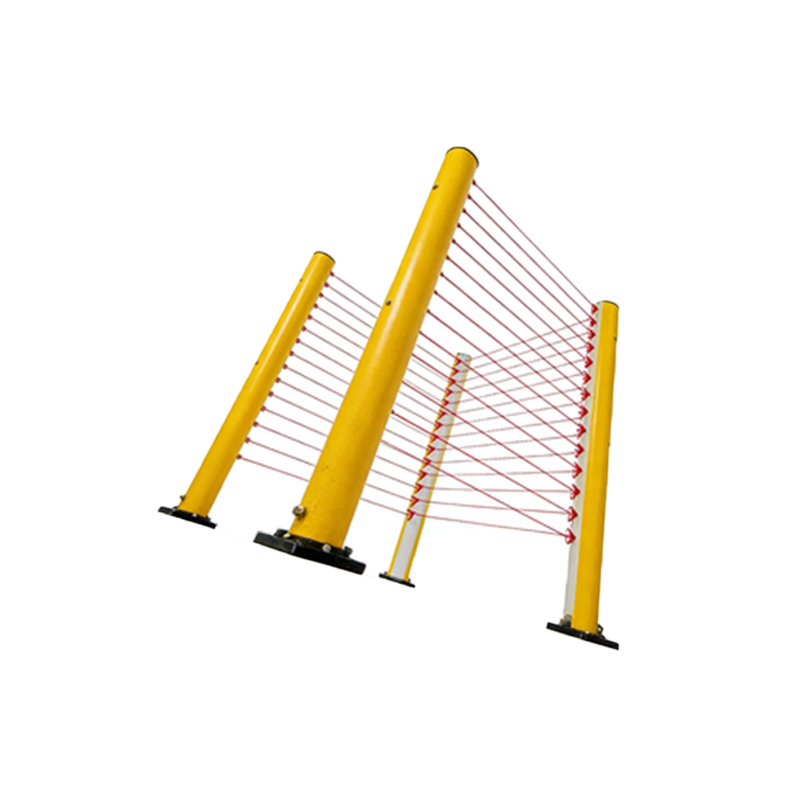
The 78 series sensors are available in several primary operating modes, each suited for specific environmental and application challenges. The through-beam (or opposed) mode features separate emitter and receiver units. It offers the longest sensing range and highest reliability, as it detects the interruption of a direct beam. The retro-reflective mode uses a single unit and a reflector; it detects an object that breaks the beam between the sensor and the reflector. Finally, the diffuse (or proximity) mode, also a single unit, detects light reflected directly off the target object. Advanced models within the 78 family may incorporate background suppression technology, which allows them to ignore objects beyond a set distance, or polarized filters to reliably detect shiny objects, enhancing their application flexibility.
Critical Technical Specifications and Selection Criteria
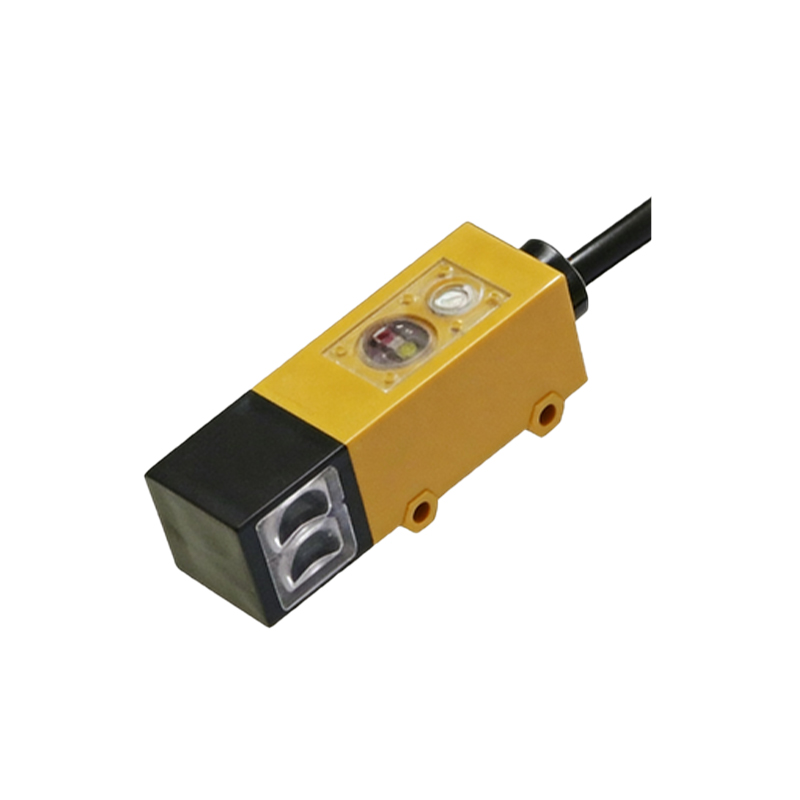
Selecting the correct 78 photoelectric sensor requires careful analysis of its technical parameters. Sensing range is paramount; through-beam models can detect objects several meters away, while diffuse sensors have a shorter range. The light source type (e.g., infrared for discreet operation, red light for visible alignment, laser for precision) is another key factor. Response time, measured in milliseconds or microseconds, determines how fast the sensor can detect high-speed objects. Output configuration (PNP/NPN, NO/NC, analog, or IO-Link) must match the control system's input requirements. Environmental ratings, specifically the Ingress Protection (IP) code (e.g., IP67 for dust and water resistance) and operating temperature range, are critical for ensuring longevity in harsh industrial settings like washdown areas or foundries.
Installation, Alignment, and Calibration Best Practices
Proper installation is crucial for optimal performance of a 78 photoelectric sensor. Mounting must be secure to prevent vibration-induced misalignment. For through-beam and retro-reflective types, precise alignment of the emitter and receiver (or reflector) is essential; many models feature built-in LED indicators that signal alignment quality. For diffuse sensors, the sensing distance can be affected by the target's color, size, and surface texture. Calibration, often via a teach-in button or potentiometer, allows the sensor to be tuned for the specific target and environmental conditions, minimizing false triggers. Ensuring a clean lens free from dust, oil, or condensation is a simple yet vital maintenance task for sustained reliability.
Common Industrial Applications and Use Cases
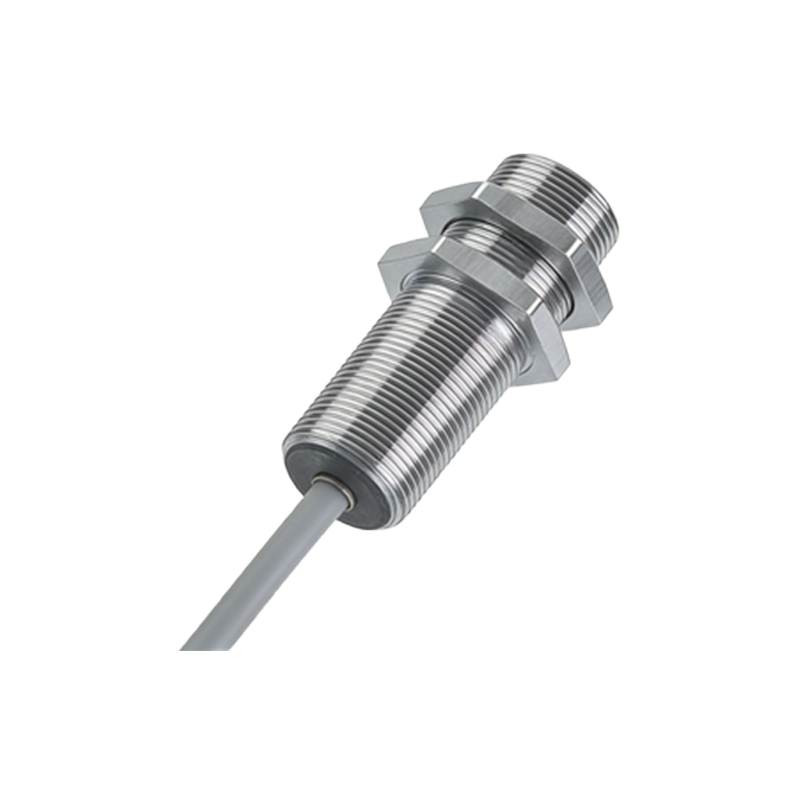
The application spectrum for the 78 photoelectric sensor is exceptionally broad. In material handling, they count boxes on conveyors, detect the position of pallets, and prevent jams. In packaging machinery, they verify the presence of bottles, control label placement, and inspect fill levels. Automotive assembly lines utilize them for robot guidance, part verification, and safety curtain monitoring. In the food and beverage industry, stainless-steel housed 78 sensors with high IP ratings detect products on production lines, even under frequent washdowns. Their ability to detect virtually any material—metal, plastic, glass, or liquid—makes them a universal solution for object presence detection.
Troubleshooting Common Issues and Ensuring Reliability
Even robust sensors like the 78 series can encounter issues. Common problems include inconsistent detection, which may stem from misalignment, a dirty lens, or an unsuitable sensing mode for the target. Electrical interference from nearby motors or drives can cause erratic output, necessitating proper shielding and grounding. Environmental factors like ambient light (sunlight or high-intensity factory lighting) can swamp the receiver; selecting a sensor with modulated light or a specific frequency can mitigate this. Regularly checking the sensor's indicator LEDs, verifying power supply stability, and consulting the manufacturer's diagnostic charts are standard steps in a systematic troubleshooting approach to maintain high system uptime.
Future Trends and Integration with Industry 4.0
The evolution of the photoelectric sensor continues, with the 78 series adapting to the demands of Industry 4.0 and smart factories. Modern iterations are increasingly featuring digital communication protocols like IO-Link. This allows for bidirectional data exchange, enabling remote configuration, real-time monitoring of sensor health (predictive maintenance), and the transmission of process values beyond simple on/off signals. Furthermore, advancements in miniaturization, energy efficiency, and the integration of more sophisticated optics and algorithms are expanding their capabilities. The humble 78 photoelectric sensor is thus transitioning from a simple detection device into an intelligent node within a connected industrial ecosystem, providing valuable data for optimization and analytics.