Introduction to Jietong Photoelectric Sensors
Jietong photoelectric sensors represent a cornerstone of modern industrial automation, offering unparalleled precision in object detection and measurement. These devices operate by emitting a light beam, typically from an LED or laser diode, and detecting changes in the received light intensity caused by the presence, absence, or characteristics of a target object. The core principle hinges on the interaction between light and matter, enabling non-contact sensing that eliminates mechanical wear and ensures long-term reliability. Jietong has engineered its sensors to excel in diverse environments, from clean rooms to harsh industrial floors, by incorporating robust housings and advanced optical components. Their product range includes through-beam, retro-reflective, and diffuse reflective models, each tailored for specific application challenges such as long-range detection, color recognition, or background suppression. The integration of microprocessors allows for intelligent functions like programmable sensitivity, time delays, and output configurations, making Jietong sensors adaptable to complex automation tasks. As industries increasingly prioritize efficiency and minimal downtime, the role of these sensors in ensuring seamless operations becomes ever more critical.
Key Technologies and Innovations
At the heart of Jietong's sensor superiority lies a commitment to technological innovation. One standout feature is the use of modulated LED light, which significantly enhances immunity to ambient light interference—a common issue in factories with variable lighting conditions. This modulation technique allows the sensor to distinguish its own emitted signal from background noise, ensuring stable performance even under direct sunlight or strong artificial illumination. Furthermore, Jietong incorporates advanced lens designs that optimize beam focus and detection accuracy. For instance, their polarized retro-reflective sensors can reliably detect shiny objects by filtering out false reflections, while background suppression models use triangulation to ignore objects beyond a set distance. The adoption of IO-Link communication in select models enables digital parameter setting, real-time diagnostics, and seamless integration with Industry 4.0 systems. This connectivity facilitates predictive maintenance by monitoring sensor health and logging operational data, thereby reducing unexpected failures. Jietong also emphasizes energy efficiency, developing low-power variants that contribute to sustainable automation solutions without compromising detection range or speed.
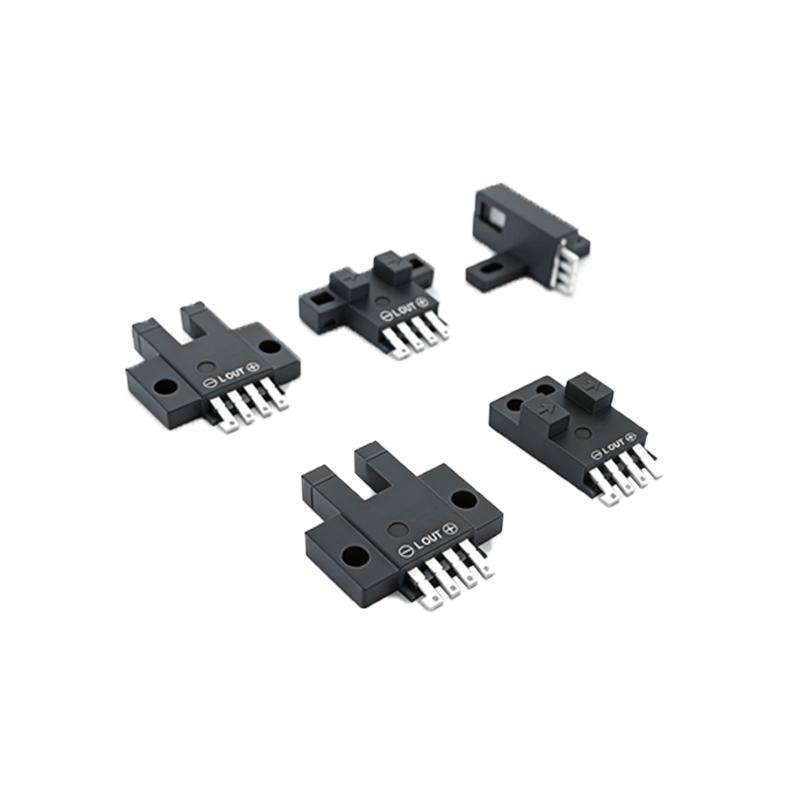
Applications Across Industries
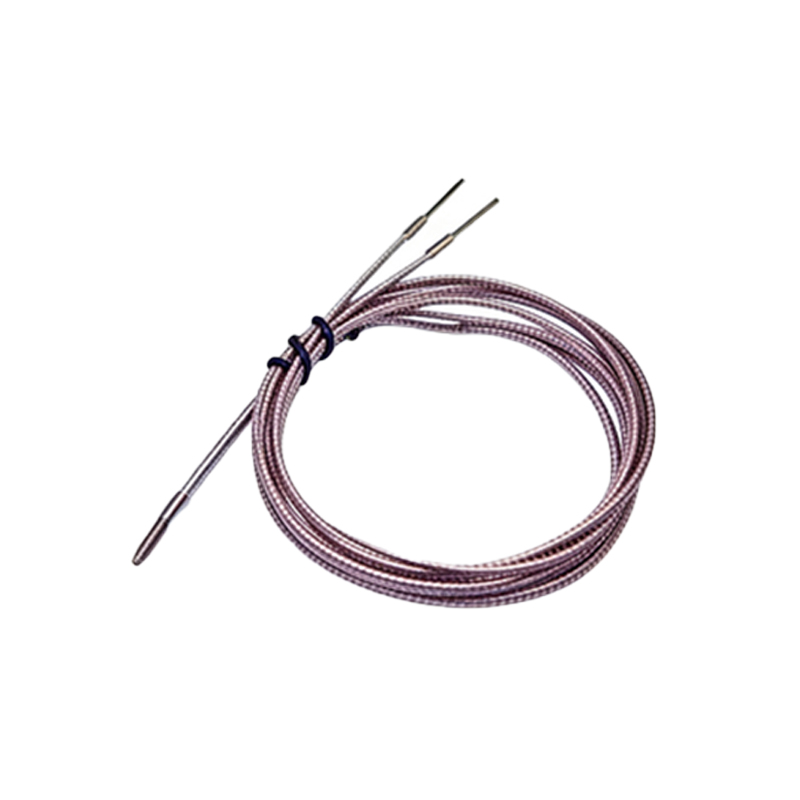
The versatility of Jietong photoelectric sensors makes them indispensable across a broad spectrum of sectors. In packaging and material handling, they ensure precise carton counting, label verification, and bottle cap alignment on high-speed production lines. The food and beverage industry relies on these sensors for fill-level control, tamper-evident seal inspection, and sorting by color or transparency, all while meeting stringent hygiene standards with stainless steel or IP69K-rated housings. Automotive manufacturers utilize Jietong sensors for robotic guidance, part presence verification in assembly stations, and weld seam tracking, where millimeter accuracy is paramount. In logistics and warehousing, sensors enable automated guided vehicle (AGV) navigation, pallet detection, and inventory management through barcode reading. Even in challenging environments like mining or agriculture, Jietong's ruggedized models withstand dust, moisture, and vibrations to monitor equipment status and material flow. Each application benefits from the sensor's fast response time—often in microseconds—which is crucial for maintaining throughput in dynamic processes.
Installation and Maintenance Best Practices
Proper installation is essential to harness the full potential of Jietong photoelectric sensors. Engineers should begin by selecting the appropriate sensor type based on the target object's size, material, and environmental conditions. For through-beam sensors, precise alignment between emitter and receiver is critical; using alignment tools or visible laser beams can simplify this process. Mounting hardware should secure the sensor firmly to minimize vibrations that could affect beam stability. Environmental factors like dust, fog, or temperature extremes may necessitate protective accessories such as air purgers or heating elements. During configuration, setting the sensitivity threshold correctly prevents false triggers—too high may detect unwanted objects, while too low could miss targets. Regular maintenance involves cleaning lenses with soft cloths to prevent residue buildup and periodically checking wiring connections for corrosion or looseness. Jietong's diagnostic features, like stability indicators or output signal monitoring, aid in troubleshooting without halting production. Implementing a scheduled calibration routine ensures consistent performance over time, especially in applications involving delicate or high-value products.
Future Trends and Developments
The evolution of Jietong photoelectric sensors is closely tied to emerging trends in industrial automation. A significant direction is miniaturization, allowing sensors to fit into compact machinery and wearable devices without sacrificing functionality. Enhanced connectivity through 5G and IoT platforms will enable real-time data exchange across global networks, facilitating remote monitoring and control. Artificial intelligence integration is another frontier; smart sensors with embedded AI algorithms could autonomously adapt to changing line conditions or predict quality defects by analyzing light pattern anomalies. Jietong is also exploring new light sources, such as VCSELs (Vertical-Cavity Surface-Emitting Lasers), which offer higher efficiency and faster modulation for ultra-precise measurements. Sustainability initiatives drive the development of sensors with recyclable materials and lower carbon footprints. As collaborative robots (cobots) become more prevalent, Jietong aims to produce sensors with enhanced safety features, like reduced glare and fail-safe outputs, to protect human workers in shared spaces. These advancements will further solidify photoelectric sensors as intelligent eyes of the factory, bridging the physical and digital worlds.