Introduction to Proximity Sensor Sensing Range
Proximity sensors are essential components in modern industrial automation, robotics, and safety systems, designed to detect the presence or absence of objects without physical contact. The sensing range, often measured in meters (M), is a critical parameter that defines how far a sensor can reliably detect a target. This range varies significantly based on sensor type, technology, and application requirements. Typically, proximity sensors operate within ranges from a few millimeters to several meters, with specific models optimized for short, medium, or long-distance detection. Understanding these ranges is crucial for selecting the right sensor to ensure efficiency and accuracy in diverse environments, from manufacturing lines to automotive applications.
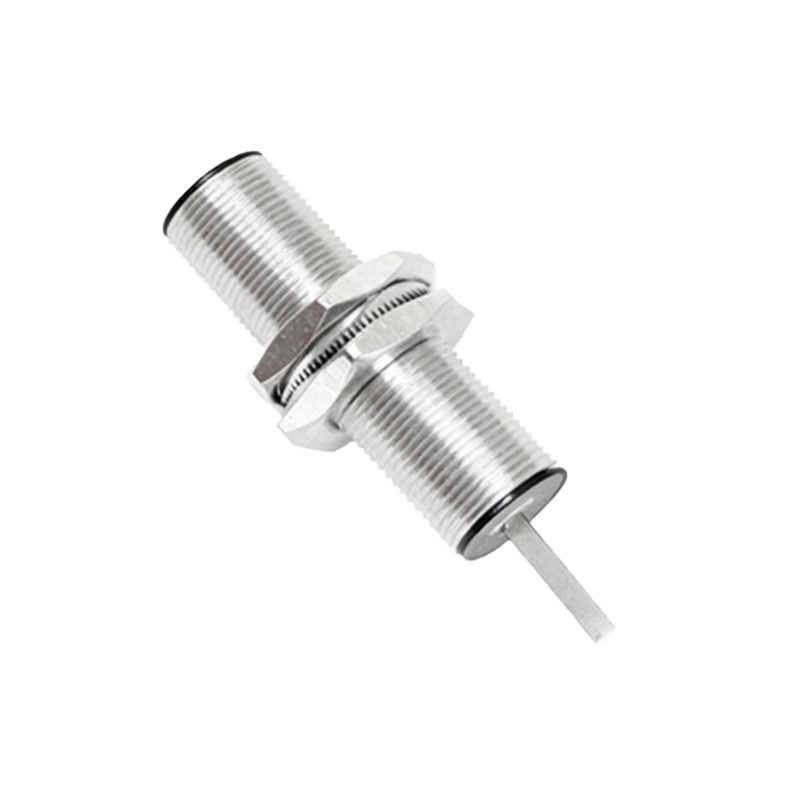
Factors Influencing Sensing Range in Proximity Sensors
The sensing range of a proximity sensor is not a fixed value but depends on multiple factors. Key elements include the sensor's technology—such as inductive, capacitive, ultrasonic, or photoelectric—each with distinct range capabilities. For instance, inductive sensors, ideal for metal detection, typically offer ranges up to 60 mm, while capacitive sensors can detect non-metallic materials at similar short distances. In contrast, ultrasonic sensors excel in medium ranges, often reaching 1 to 2 meters, and photoelectric sensors can extend to 10 meters or more for clear line-of-sight applications. Environmental conditions like temperature, humidity, and interference from other devices also impact range, as do target properties like size, material, and reflectivity. Proper calibration and installation are vital to maximize performance within specified limits.
Common Types and Their Typical Sensing Ranges
Different proximity sensor types are engineered for specific range requirements. Inductive sensors, used primarily in machinery for metal object detection, generally have a maximum range of 0.1 to 0.06 meters (100 to 60 mm), making them suitable for close-proximity tasks. Capacitive sensors, which detect both metallic and non-metallic objects, operate similarly within 0.01 to 0.05 meters (10 to 50 mm). Ultrasonic sensors, leveraging sound waves, provide longer ranges from 0.1 to 2 meters, ideal for level monitoring or obstacle avoidance. Photoelectric sensors, using light beams, offer the broadest ranges, from 0.01 meters up to 10 meters or beyond, depending on the model and target reflectivity. For specialized applications, such as long-range detection in logistics, some laser-based sensors can exceed 50 meters, though these are less common in standard industrial settings.
Applications Based on Sensing Range Requirements
The application of proximity sensors is closely tied to their sensing range. In short-range scenarios (under 0.1 meters), inductive and capacitive sensors are prevalent in assembly lines for part positioning or quality control, where precision is paramount. Medium-range sensors (0.1 to 2 meters), like ultrasonic types, are used in automotive parking aids, conveyor systems, and liquid level sensing, balancing distance with accuracy. Long-range sensors (over 2 meters), particularly photoelectric variants, find use in warehouse automation for object counting, security systems for intrusion detection, and agricultural equipment for terrain mapping. Selecting the appropriate range ensures reliable operation, minimizes false triggers, and enhances safety in critical processes, from robotic navigation to hazardous area monitoring.
Optimizing and Extending Sensing Range in Practice
To achieve optimal sensing range, engineers must consider installation and maintenance practices. Aligning the sensor correctly with the target, avoiding obstructions, and using reflective surfaces for photoelectric sensors can extend effective range. Regular cleaning of sensor surfaces prevents buildup that might reduce sensitivity, while shielding from electromagnetic interference improves stability for inductive models. Advanced features, such as adjustable sensitivity or background suppression in photoelectric sensors, allow customization for varying distances. In some cases, combining multiple sensors or using amplifiers can boost range capabilities, but it's essential to adhere to manufacturer specifications to avoid overextension, which could lead to unreliable readings or sensor damage.
Future Trends in Proximity Sensor Range Development
Technological advancements are continuously pushing the boundaries of proximity sensor sensing ranges. Innovations in materials and electronics, such as improved LED and laser diodes for photoelectric sensors, are enabling longer detection distances with higher accuracy. The integration of IoT and smart sensors allows for real-time range adjustment based on environmental data, enhancing adaptability in dynamic settings. Emerging applications in autonomous vehicles and drones demand sensors with ranges exceeding 10 meters for obstacle detection, driving research into hybrid systems that combine ultrasonic and optical technologies. As industries evolve toward greater automation, the demand for sensors with extended, reliable ranges will grow, focusing on energy efficiency and miniaturization without compromising performance.