Introduction to Photoelectric Sensor Communication
Photoelectric sensors are fundamental components in modern industrial automation, serving as the eyes of a system by detecting the presence, absence, or position of objects using light beams. While their primary function is sensing, the method by which they communicate this data to controllers like PLCs (Programmable Logic Controllers) or other systems is equally critical. Communication enables real-time decision-making, process control, and integration into larger networks. Unlike simple on/off switching, advanced sensors now support various communication protocols, allowing for detailed data exchange, configuration, and diagnostics. This capability transforms them from isolated devices into intelligent nodes within a smart factory ecosystem. Understanding these communication methods is essential for designing efficient, reliable, and scalable automation solutions.
Common Communication Interfaces and Protocols
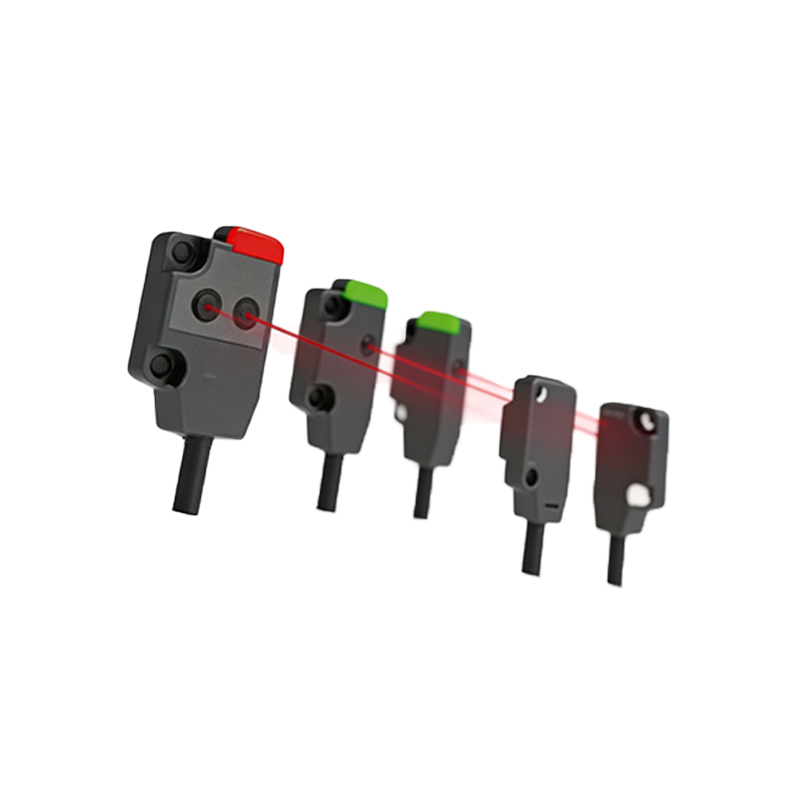
Photoelectric sensors typically communicate through digital or analog interfaces, with specific protocols defining the language of data exchange. The most basic form is discrete I/O (Input/Output), where the sensor provides a simple binary signal—often via PNP or NPN transistors—to indicate detection. However, for more complex data, such as measured distance or intensity, analog outputs (0-10V or 4-20mA) are used, offering a continuous range. Beyond these, serial communication protocols like IO-Link have become industry standards. IO-Link is a point-to-point protocol that enables bidirectional communication, allowing not only data transmission but also parameter setting, device identification, and diagnostic information. For network integration, sensors may support fieldbus systems (e.g., PROFIBUS, DeviceNet) or Ethernet-based protocols (e.g., EtherNet/IP, PROFINET), facilitating connection to industrial networks for centralized control. Each protocol has its advantages: IO-Link excels in simplicity and diagnostics, while fieldbus and Ethernet support multi-device networking over longer distances.
IO-Link: A Game-Changer in Sensor Communication
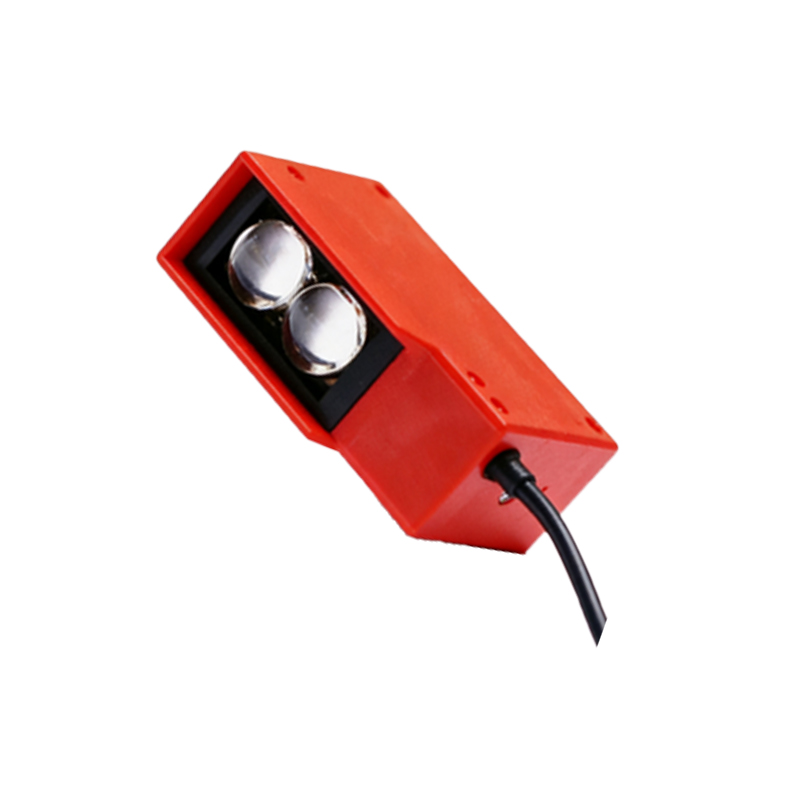
IO-Link stands out as a pivotal technology for photoelectric sensor communication, bridging the gap between basic sensors and smart devices. As an open standard (IEC 61131-9), it operates over standard 3-wire cables without requiring special shielding, making retrofitting easy. An IO-Link sensor communicates through a master module connected to a controller, transmitting three types of data: process data (e.g., real-time detection status), service data (e.g., parameters like sensitivity), and event data (e.g., error alerts). This allows for remote configuration and monitoring—for instance, adjusting the sensing range via software without physical access. In photoelectric sensors, IO-Link can convey detailed metrics like light intensity, signal quality, or even contamination warnings, enabling predictive maintenance. Its plug-and-play capability ensures quick replacement and reduced downtime, as parameters are stored and transferred automatically. This intelligence enhances flexibility in automated systems, particularly in dynamic production environments.
Network Integration with Fieldbus and Ethernet
In large-scale industrial setups, photoelectric sensors are often integrated into network architectures using fieldbus or Ethernet protocols. Fieldbus systems, such as PROFIBUS DP or DeviceNet, connect multiple sensors and actuators via a single cable, reducing wiring complexity and cost. They support digital communication over distances up to hundreds of meters, with sensors acting as slave devices that report to a master controller. Ethernet-based protocols, like EtherNet/IP or PROFINET, offer higher speed and bandwidth, suitable for real-time applications in Industry 4.0. These protocols use standard Ethernet hardware, enabling seamless data flow from sensor-level to enterprise systems. For example, a photoelectric sensor on a conveyor line can transmit object detection data directly to a SCADA (Supervisory Control and Data Acquisition) system for analytics. Network integration also supports advanced features like topology recognition and synchronized operations, crucial in precision manufacturing. Choosing between fieldbus and Ethernet depends on factors like distance, data volume, and existing infrastructure.
Wireless Communication Options
Wireless communication is emerging as a flexible alternative for photoelectric sensors, especially in hard-to-wire or mobile applications. Technologies like Bluetooth, Wi-Fi, or proprietary radio protocols (e.g., WirelessHART) enable sensors to transmit data without physical cables, reducing installation time and maintenance. In scenarios where sensors are mounted on moving parts or in remote areas, wireless links provide reliable connectivity. For instance, a battery-powered photoelectric sensor can use low-energy Bluetooth to send detection alerts to a gateway, which then relays data to a control system. While wireless may have limitations in latency and power consumption compared to wired methods, advancements in energy harvesting and mesh networking are improving its viability. This approach supports the trend toward IIoT (Industrial Internet of Things), allowing sensors to contribute data to cloud platforms for big data analysis and optimization.
Practical Applications and Benefits
The communication capabilities of photoelectric sensors unlock numerous practical benefits across industries. In packaging lines, sensors with IO-Link can monitor object presence and transmit data to adjust machine speed, reducing jams and waste. In automotive assembly, network-integrated sensors ensure precise part positioning via real-time feedback to robots. Diagnostic features, such as reporting lens contamination or weak signals, enable predictive maintenance, preventing unexpected downtime. Enhanced communication also simplifies troubleshooting; technicians can access sensor logs remotely to identify issues. Moreover, standardized protocols facilitate interoperability between devices from different manufacturers, fostering system flexibility. As industries adopt smarter automation, the ability of photoelectric sensors to communicate rich data not only improves efficiency but also supports data-driven decision-making, contributing to overall operational excellence.
Future Trends and Considerations
The future of photoelectric sensor communication is leaning toward greater intelligence and connectivity. With the rise of Industry 4.0, sensors are expected to incorporate edge computing capabilities, processing data locally before transmission to reduce network load. Protocols like OPC UA (Open Platform Communications Unified Architecture) may become more prevalent, ensuring secure, vendor-agnostic data exchange. Additionally, integration with AI and machine learning could allow sensors to self-optimize based on communication patterns. When selecting communication methods, engineers must consider factors like environmental conditions (e.g., interference), scalability, and cybersecurity needs. As photoelectric sensors evolve, their role as communicative devices will continue to expand, driving innovation in automated systems and smart manufacturing landscapes.