Introduction to Photoelectric Sensing
Photoelectric sensors are indispensable components in modern industrial automation and control systems. These devices operate by emitting a beam of light, typically from an LED or laser diode, and detecting changes in the received light signal. The fundamental principle relies on the interaction between light and the target object. When the light beam is interrupted, reflected, or refracted by an object, the sensor's receiver detects this alteration and converts it into an electrical signal. This signal is then processed to trigger specific actions, such as counting items on a conveyor belt, detecting the presence of a part, or ensuring precise positioning. The versatility, reliability, and non-contact nature of photoelectric sensors make them superior to mechanical switches in many applications, particularly in environments requiring high-speed operation, hygiene, or where physical contact could damage the product.
Core Operating Principles
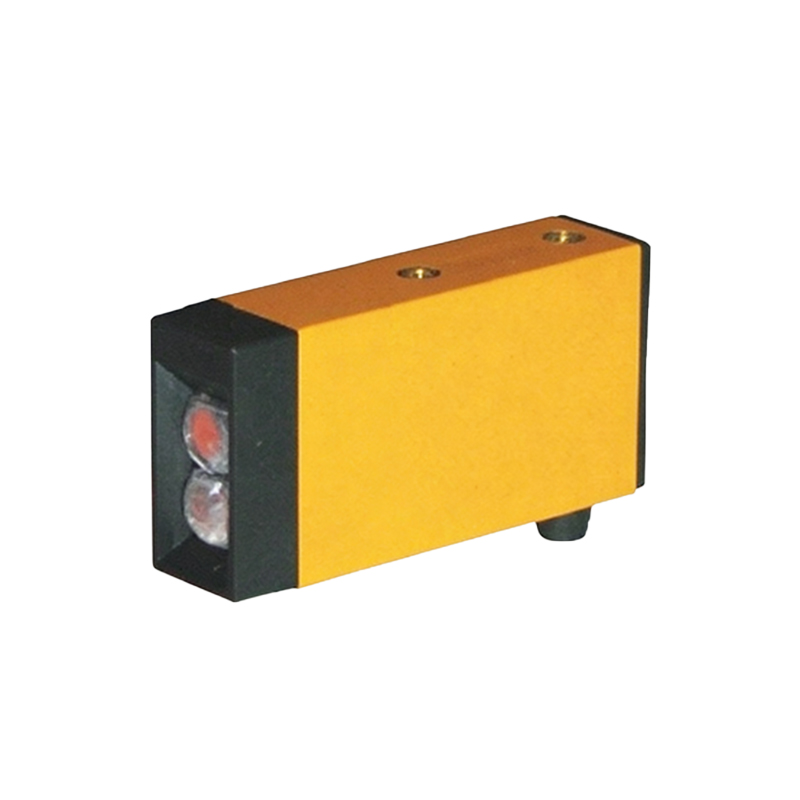
The operation of a photoelectric sensor hinges on three primary components: an emitter (light source), a receiver (photodetector), and associated signal processing circuitry. The emitter generates a modulated light beam, often in the visible red, infrared, or laser spectrum. Modulation—pulsing the light at a specific frequency—is crucial as it allows the sensor to distinguish its own signal from ambient light, significantly enhancing noise immunity and operational stability. The receiver, typically a phototransistor or photodiode, is tuned to respond to this specific modulated frequency. The sensing method defines how the light travels from emitter to receiver. The key methods are through-beam, retro-reflective, and diffuse reflective, each suited for different detection scenarios based on required sensing distance, object characteristics, and environmental conditions.

Through-Beam Sensing Method
The through-beam, or opposed mode, configuration offers the longest sensing range and highest reliability. It consists of two separate units: a transmitter and a receiver, positioned directly opposite each other. The transmitter projects a continuous beam of light to the receiver. An object is detected when it physically breaks this beam. This method is highly effective because it relies on a strong, direct signal. It is ideal for detecting opaque objects of any color or surface finish, even in challenging environments with dust or minor misalignment tolerance. Common applications include part counting on high-speed production lines, safety curtains on machinery, and detecting large objects in material handling. The primary limitation is the need for two separate mounting points and precise alignment.
Retro-Reflective Sensing Method
Retro-reflective sensors combine the emitter and receiver into a single housing. They project a light beam towards a specially designed reflector, often a corner-cube prism or tape, which returns the light directly back to the receiver. Detection occurs when an object interrupts this return path. This method provides a good sensing range, though typically shorter than through-beam, and simplifies installation as only one device and a reflector need to be mounted. A critical feature is the polarization filter, often used to prevent the sensor from mistakenly detecting shiny objects as the reflector. The filter ensures the sensor only recognizes light that has undergone a specific polarization change upon reflection from the genuine retro-reflector. This makes them suitable for packaging lines and detecting objects on conveyors where mounting space is limited.
Diffuse Reflective Sensing Method
Also known as proximity mode, the diffuse reflective sensor houses both emitter and receiver in one unit. It operates by detecting light diffusely reflected off the surface of the target object itself. No separate reflector is needed. The sensing distance is generally the shortest of the three methods and is highly dependent on the object's size, color, and surface texture—light-colored, matte surfaces reflect more light and are detected at greater distances than dark, shiny ones. Advanced versions, known as background suppression or convergent beam sensors, use triangulation principles to detect objects only within a precise, defined distance, ignoring more distant surfaces or backgrounds. This method is perfect for applications like detecting transparent bottles, sensing labels, or verifying the presence of components in an assembly jig.
Key Selection Criteria and Specifications
Selecting the correct photoelectric sensor requires careful analysis of several parameters. Sensing range is the maximum distance at which the sensor can reliably detect a standard target. Response time indicates how quickly the sensor can react to a change in state, critical for high-speed applications. Light source type (red LED, infrared, laser) affects visibility for alignment and spot size precision. Environmental factors are paramount; sensors are rated with an Ingress Protection (IP) code for dust and water resistance and may require specialized housings for washdown or corrosive atmospheres. Output type (PNP/NPN transistor, analog, or IO-Link) must match the control system's input requirements. Additionally, features like teach-in functionality for easy setup, adjustable sensitivity, and built-in diagnostics via indicator lights are valuable for maintenance and optimization.
Advanced Features and Smart Sensors
The evolution of Industry 4.0 has driven the development of intelligent photoelectric sensors. Modern sensors integrate advanced functionalities beyond simple on/off detection. Analog sensors provide a continuous output signal proportional to the received light intensity or distance, enabling tasks like edge guidance or fill-level monitoring. Sensors with IO-Link communication provide detailed diagnostic data, such as signal strength, operating hours, and temperature, directly to the PLC, enabling predictive maintenance. Background suppression technology has become more sophisticated, allowing for precise detection of challenging targets. Furthermore, laser-based sensors offer extremely small, focused beam spots for detecting minute objects or performing precise positioning tasks in electronics manufacturing and robotics.
Common Industrial Applications
Photoelectric sensors are ubiquitous across all industrial sectors. In packaging, they detect labels, count bottles, and verify case sealing. In automotive assembly, they ensure parts are present and correctly positioned before robotic welding or fastening. In material handling and logistics, they control conveyor flow, manage palletizing, and provide position feedback for Automated Guided Vehicles (AGVs). In the food and beverage industry, their hygienic, non-contact design is ideal for detecting products on filling lines. They are also fundamental in safety systems as part of light curtains and area guards to protect personnel from moving machinery. Their ability to detect a vast array of materials—from metal and plastic to glass and liquid—ensures their continued dominance in factory automation.
Installation and Maintenance Best Practices
Proper installation is critical for reliable sensor performance. Key considerations include secure mounting to minimize vibration, correct alignment using the sensor's alignment indicators, and ensuring the sensing path is free from obstructions like buildup of dust or debris. Ambient light from sunlight or high-intensity lamps can interfere with operation; using modulated sensors and physical shrouds can mitigate this. Regular maintenance involves cleaning the lens with a soft cloth to maintain optical clarity and periodically checking the alignment and output signal. Troubleshooting often involves observing the sensor's status LED, measuring the output with a multimeter, and verifying the strength of the received light signal, a feature available on many modern diagnostic-enabled sensors.