Understanding Proximity Sensor Failures
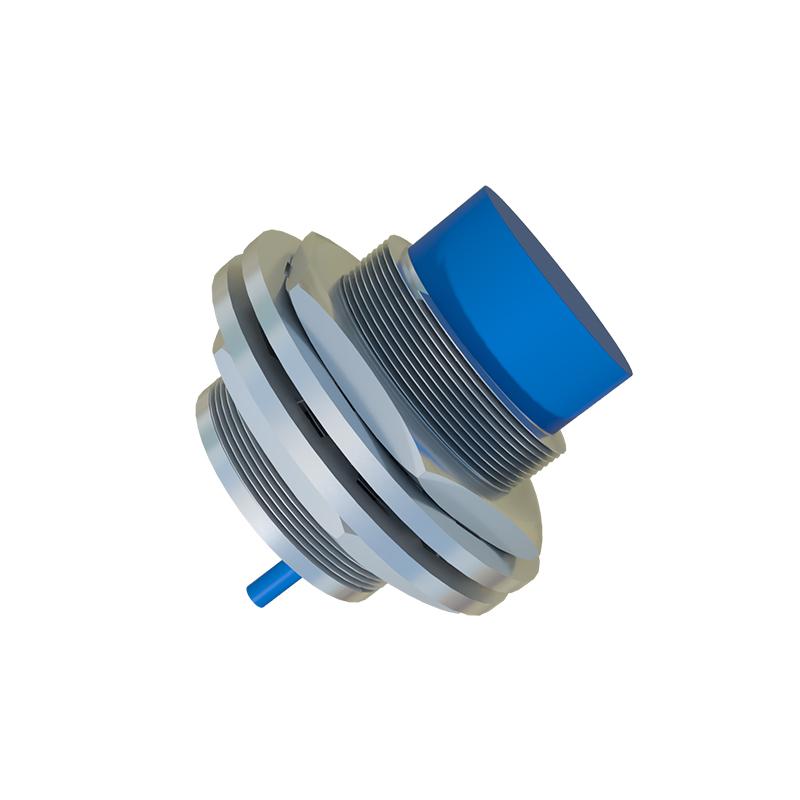
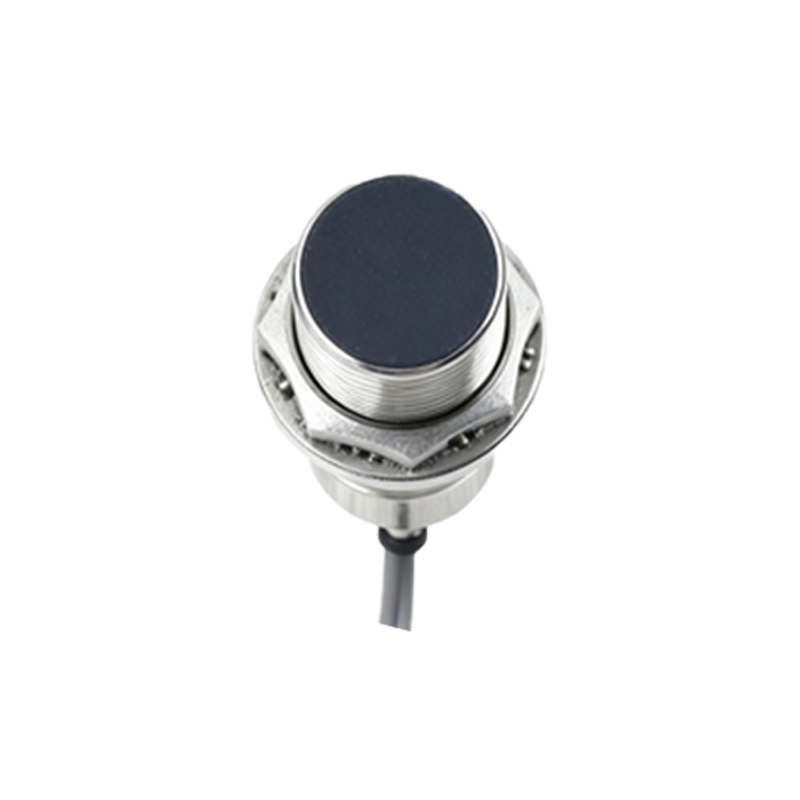
Proximity sensors are critical components in modern industrial automation, designed to detect the presence or absence of objects without physical contact. Common types include inductive, capacitive, and photoelectric sensors, each serving specific applications. When these sensors malfunction, the consequences can range from minor operational hiccups to severe system-wide disruptions. Failures often stem from environmental factors like contamination, excessive vibration, electrical interference, or simply wear and tear over time. Recognizing early signs of failure, such as inconsistent detection, false triggers, or complete non-responsiveness, is essential for timely intervention.
Immediate Operational Disruptions
A faulty proximity sensor directly impacts production lines and machinery. For instance, in manufacturing assembly lines, sensors ensure precise positioning of components. If a sensor fails, it may cause misalignment, leading to defective products or jams. This results in unplanned downtime, as operators must halt operations to diagnose and replace the sensor. In high-speed environments, even brief interruptions can accumulate significant losses in output. Additionally, safety systems reliant on sensors for obstacle detection may become compromised, increasing the risk of accidents or equipment damage.
Financial and Efficiency Repercussions
The economic impact of sensor failures extends beyond immediate downtime. Repeated malfunctions can escalate maintenance costs due to frequent replacements and labor expenses. Energy efficiency may also suffer; for example, sensors that control lighting or HVAC systems in smart buildings might remain activated unnecessarily, wasting resources. Over time, unreliable sensors can degrade overall equipment effectiveness (OEE), reducing throughput and increasing scrap rates. Companies may face contractual penalties if delivery schedules are disrupted, further straining financial performance.
Safety and Compliance Risks
In industries like automotive or pharmaceuticals, proximity sensors play a vital role in ensuring compliance with safety standards. A malfunctioning sensor in a robotic cell could fail to detect human presence, potentially causing injuries. Regulatory bodies often mandate strict adherence to sensor reliability protocols; failures might lead to non-compliance, resulting in fines or legal liabilities. Moreover, in hazardous environments—such as those with explosive materials—faulty sensors might trigger incorrect readings, jeopardizing both personnel and infrastructure.
Diagnostic and Preventive Measures
To mitigate these impacts, regular diagnostics are crucial. Techniques like routine calibration, signal monitoring, and environmental checks help identify issues early. Implementing predictive maintenance, using IoT-enabled sensors that provide real-time data, can forecast failures before they occur. Choosing robust sensors rated for specific conditions—such as high temperatures or corrosive atmospheres—also enhances longevity. Training personnel to recognize symptoms and perform basic troubleshooting further reduces downtime and associated costs.
Long-Term System Reliability
Investing in quality proximity sensors and proactive maintenance fosters long-term system stability. While initial costs might be higher, reliable sensors minimize unexpected breakdowns, extending the lifespan of machinery. Integrating redundancy, where critical applications use backup sensors, adds an extra layer of protection. Ultimately, a well-maintained sensor network supports continuous improvement in industrial processes, ensuring competitiveness and operational excellence in a dynamic market.