Introduction to the HP1136 Photoelectric Sensor
The HP1136 photoelectric sensor represents a cornerstone in modern industrial automation, offering reliable object detection across a diverse range of applications. Engineered for durability and precision, this sensor utilizes advanced optical technology to detect the presence, absence, or position of objects without physical contact. Its design prioritizes stability in challenging environments, making it a preferred choice for sectors such as packaging, material handling, automotive assembly, and conveyor systems. The non-contact nature of detection eliminates mechanical wear and tear, ensuring long-term operational consistency and reducing maintenance costs. Understanding the fundamental operating principles and key specifications of the HP1136 is essential for engineers and technicians aiming to optimize their automated processes.
Core Operating Principles and Technology
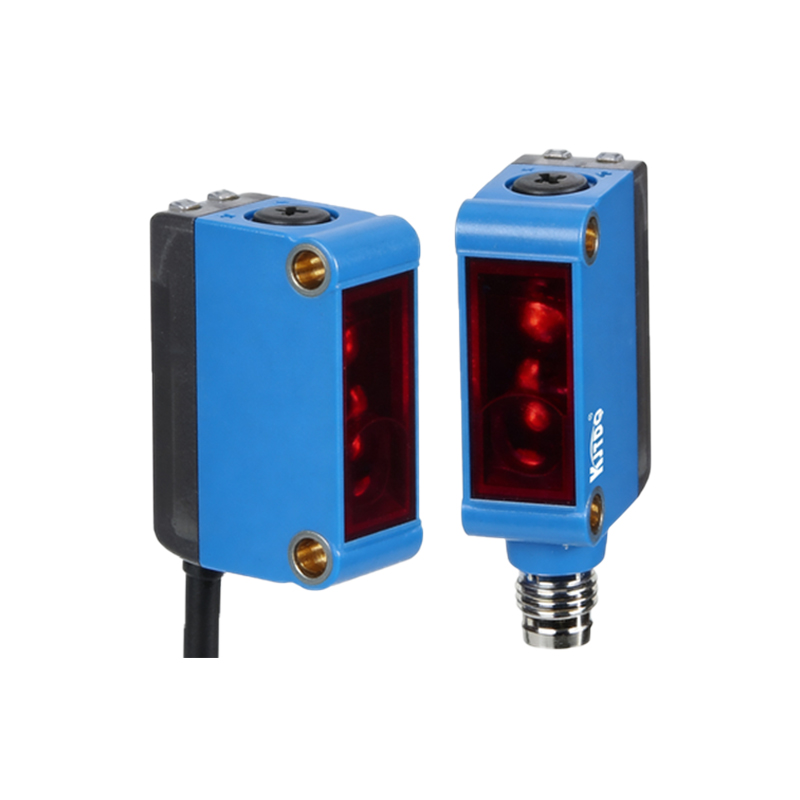
At its heart, the HP1136 operates on the principle of modulated light beam interruption or reflection. It typically functions in one of three primary modes: through-beam, retro-reflective, or diffuse reflective. In through-beam mode, the sensor consists of separate emitter and receiver units. Detection occurs when an object breaks the light beam traveling from the emitter to the receiver. This mode offers the longest sensing range and highest reliability. The retro-reflective mode uses a single housing containing both emitter and receiver, along with a reflector. The sensor detects an object when it interrupts the light beam reflected back from the reflector. Diffuse reflective mode, also with a single unit, detects objects based on the light reflected directly from the target's surface. The HP1136 often incorporates a visible red or laser light source, with advanced models featuring background suppression technology to ignore distant objects or reflective backgrounds, ensuring accurate detection of the intended target.
Key Technical Specifications and Features
The performance of the HP1136 is defined by a set of robust technical specifications. Key parameters include sensing range, which can vary from a few centimeters to several meters depending on the model and operating mode. Response time is critically fast, often in the millisecond range, allowing for high-speed production line detection. It features a high degree of environmental resistance, typically rated at IP67 or higher, providing protection against dust ingress and temporary water immersion. The housing is constructed from rugged materials like nickel-plated brass or stainless steel, resistant to oils and chemicals. Electrical output is commonly provided via a PNP or NPN transistor, or a relay contact, compatible with standard programmable logic controllers (PLCs). Many variants also offer adjustable sensitivity, time-delay functions, and a teach-in feature for easy setup, allowing quick adaptation to different target materials and colors.
Installation, Configuration, and Alignment Best Practices
Proper installation is paramount for optimal sensor performance. Mounting must be secure to prevent vibration-induced misalignment. For through-beam sensors, precise alignment of the emitter and receiver is crucial; using alignment tools or the sensor's built-in alignment indicator can simplify this process. When using retro-reflective sensors, ensure the reflector is clean and correctly angled. For diffuse sensors, consider the target's color, material, and surface finish, as these affect reflectivity. The sensing distance should be set with a safety margin to account for potential target variations. Electrical wiring must follow the manufacturer's diagram, paying close attention to polarity, load connections, and the use of surge protection devices in environments with inductive loads. Always perform a functional test after installation under normal operating conditions.
Common Industrial Applications and Use Cases
The versatility of the HP1136 sensor makes it indispensable in numerous industrial scenarios. In packaging machinery, it detects the presence of boxes, bottles, or labels on high-speed conveyors, triggering downstream actions like filling, capping, or labeling. Within automotive manufacturing, it is used for part verification, robot guidance, and ensuring components are correctly positioned for assembly. In material handling and warehouse automation, these sensors count objects, control sorting gates, and provide pallet presence detection for automated storage and retrieval systems (AS/RS). They also play a vital role in security systems as part of safety light curtains and access control. Their reliability in detecting transparent objects, like glass or plastic films, further expands their utility in specialized production lines.
Troubleshooting and Maintenance Guidelines
Despite their robustness, photoelectric sensors can encounter issues. Common problems include false triggering or failure to detect. Troubleshooting should begin with a visual inspection: check for physical damage, lens contamination (dust, oil, debris), and ensure the target is within the specified sensing range and correctly interrupting the beam. Verify the alignment of through-beam or retro-reflective setups. Electrical checks involve confirming the power supply voltage, checking wiring connections for looseness or corrosion, and verifying the output load. Environmental factors like heavy ambient light, steam, or highly reflective backgrounds can interfere; using sensors with modulated light or background suppression can mitigate these. Preventive maintenance involves regular lens cleaning, checking mounting stability, and periodically testing sensor response. Keeping a log of operating conditions and any adjustments made aids in diagnosing recurring issues.
Advantages Over Alternative Sensor Technologies
Compared to other proximity sensing technologies like inductive or capacitive sensors, the HP1136 photoelectric sensor offers distinct advantages. Its primary benefit is the ability to detect a vast array of materials, including non-metallic objects like wood, plastic, glass, and liquids, which inductive sensors cannot detect. It provides a much longer sensing range than both inductive and capacitive sensors. While ultrasonic sensors also offer long-range detection of various materials, photoelectric sensors generally have a faster response time and are less affected by temperature variations or air turbulence. The HP1136's compact size and flexible mounting options allow for installation in space-constrained areas. The combination of long range, material versatility, and high speed makes it a superior choice for many complex detection tasks in dynamic industrial environments.
Future Trends and Integration with Industry 4.0
The evolution of photoelectric sensors like the HP1136 is closely tied to the advancement of Industry 4.0 and the Industrial Internet of Things (IIoT). Future iterations are expected to feature enhanced connectivity options, such as IO-Link, which enables digital communication beyond simple on/off signals. IO-Link allows for remote parameter configuration, real-time monitoring of device health (e.g., lens contamination levels, temperature), and predictive maintenance alerts, minimizing unplanned downtime. Integration with smart factory networks will allow sensor data to contribute to larger data analytics platforms, optimizing overall equipment effectiveness (OEE). Advances in optics and electronics will likely yield sensors with even higher precision, smaller form factors, and improved resistance to extreme environmental conditions, ensuring the HP1136's lineage continues to meet the demands of next-generation automation.