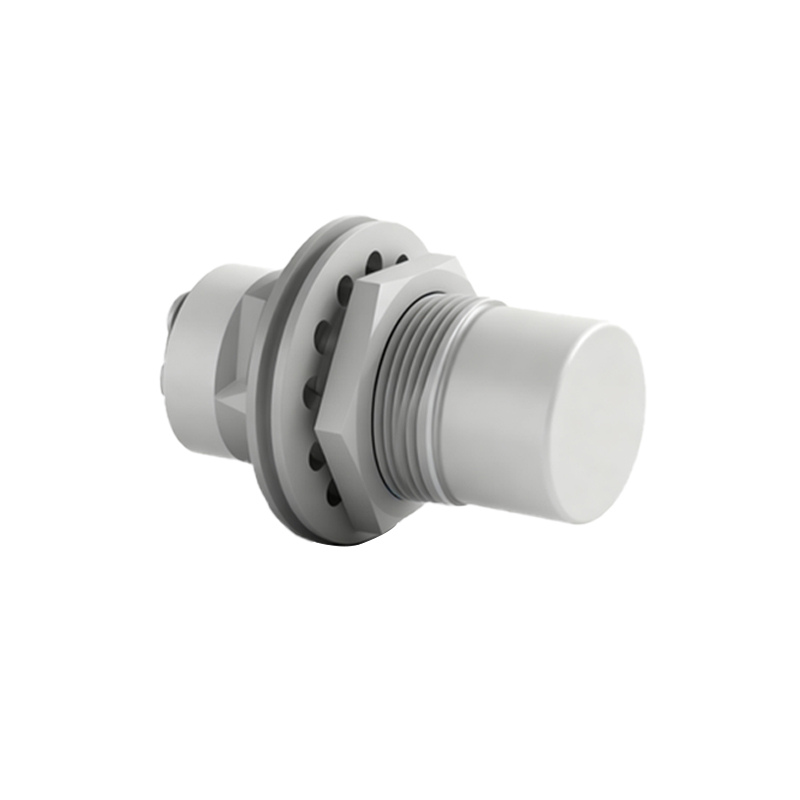
In the intricate world of industrial automation, robotics, and consumer electronics, the ability to detect the presence or absence of an object without physical contact is a fundamental requirement. At the core of many of these non-contact sensing solutions lies a critical, yet often understated, component: the proximity sensor coil. This elegantly simple device is the primary transducer in inductive proximity sensors, converting electrical energy into a magnetic field and interpreting changes within that field to provide reliable detection.
The principle of operation is rooted in electromagnetic induction. A proximity sensor coil is typically a wound coil of copper wire, often housed within a ferrite core to concentrate the magnetic flux. When an alternating current passes through this coil, it generates an oscillating electromagnetic field around the sensor's active face. This field is the sensor's "sensing zone." In the absence of a target, the system operates at a specific resonant frequency, maintaining a stable electrical condition. The pivotal moment occurs when a metallic object—the "target"—enters this oscillating field. The electromagnetic field induces small circulating currents, known as eddy currents, on the surface of the target. These eddy currents, in accordance with Lenz's Law, create their own opposing magnetic field, which interacts with the field generated by the coil.
This interaction results in a measurable change in the coil's electrical characteristics. Primarily, it causes an increase in the coil's effective impedance and a corresponding decrease in the amplitude of the oscillation. Some sensor designs monitor this amplitude drop, while more precise and stable designs, like those using a phase-locked loop (PLL) circuit, detect a shift in the oscillation frequency. This detected change is then processed by the sensor's integrated electronics, which triggers a clean, digital output signal, indicating the object's presence.
The design and construction of the coil itself are paramount to the sensor's performance. Key parameters include the number of wire turns, the wire gauge, the coil geometry, and the properties of the core material. Engineers meticulously design these factors to define the sensor's sensing range, its sensitivity to different metals, its operating frequency, and its overall stability against environmental factors like temperature drift. For instance, a coil designed for a long-range sensor will differ significantly from one optimized for high-speed counting of small fasteners.
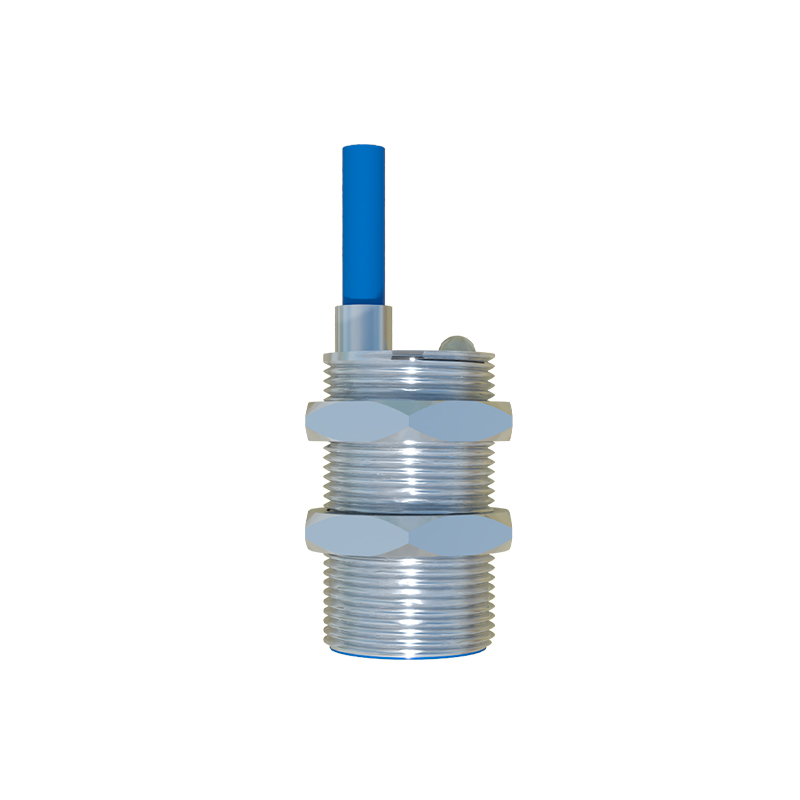
The advantages conferred by this coil-based inductive technology are substantial. It offers exceptional reliability and longevity due to the absence of moving parts and physical contact, eliminating mechanical wear. These sensors are inherently robust, capable of operating in harsh environments with dirt, dust, oil, and vapors that would compromise optical or capacitive sensors. They provide high switching frequencies, enabling detection of rapidly moving objects on production lines. Furthermore, they are largely insensitive to non-metallic materials like plastic, wood, or liquids, allowing for selective detection in complex applications, such as verifying the presence of a metal cap on a plastic bottle.
Typical applications are vast and varied. In manufacturing, they are ubiquitous for tasks like part positioning, end-of-travel detection on cylinders, and jam detection in conveyor systems. They count metallic parts, control robotic arm movements, and ensure tool presence in CNC machines. Beyond heavy industry, you find miniaturized versions in consumer devices for features like lid-open detection in laptops or screen wake-up in smartphones.

However, the technology does have inherent limitations defined by physics. The standard sensing range is relatively short, typically a few millimeters to several tens of millimeters, and is highly dependent on the target metal's properties. Ferrous metals like iron and steel are detected at the longest range, while non-ferrous metals like aluminum, copper, and brass have a reduced effective range. The target size and shape also influence performance; a sensor's rated range is usually specified for a standard square of mild steel. Understanding these characteristics is crucial for proper sensor selection and installation.
In conclusion, the proximity sensor coil is far more than just a simple loop of wire. It is a precisely engineered component that harnesses fundamental electromagnetic principles to deliver a critical function in modern automation. Its simplicity, durability, and effectiveness have cemented its role as the heart of inductive proximity sensing. As technology advances, coil designs continue to evolve, enabling smaller form factors, greater intelligence through integrated diagnostics, and enhanced resistance to electromagnetic interference, ensuring that this foundational technology will remain indispensable in the automated systems of the future.