Introduction to Photoelectric Sensors
Photoelectric sensors are pivotal components in modern industrial automation, utilizing light beams to detect the presence, absence, or distance of objects. These devices operate by emitting a light source—typically infrared, visible, or laser—and measuring the reflection or interruption of that light. The versatility of photoelectric sensors stems from their ability to function in diverse environments, from clean rooms to harsh manufacturing floors. They are integral to applications such as object counting, positioning, and quality control, offering non-contact detection that minimizes wear and tear. As industries increasingly adopt smart technologies, the demand for reliable and efficient photoelectric sensors continues to grow, driving innovations in their design and application backgrounds.
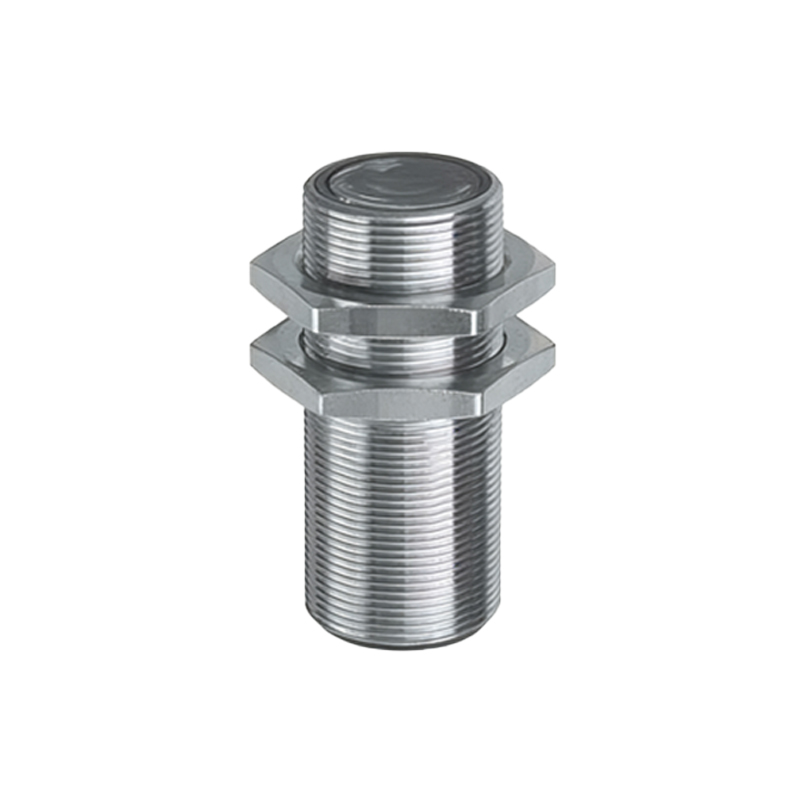
Key Applications in Manufacturing
In manufacturing settings, photoelectric sensors serve as the eyes of automated systems, enabling precise control over production lines. Common applications include detecting items on conveyor belts, ensuring proper alignment of components, and monitoring fill levels in containers. For instance, in packaging industries, these sensors verify that products are correctly labeled and sealed, reducing waste and improving efficiency. The background of such applications often involves high-speed operations where accuracy is critical. By integrating photoelectric sensors with programmable logic controllers (PLCs), manufacturers can achieve real-time data collection and adaptive responses, enhancing overall productivity and reducing downtime due to errors or malfunctions.
Role in Safety and Security Systems
Beyond production, photoelectric sensors play a crucial role in safety and security systems across various sectors. In industrial environments, they are used to create safety light curtains that protect workers from hazardous machinery by detecting intrusions into restricted zones. When an object or person interrupts the light beam, the system triggers an immediate shutdown or alarm, preventing accidents. Similarly, in security applications, these sensors monitor perimeters and entry points, offering tamper-resistant detection for facilities like warehouses and data centers. The background for safety implementations emphasizes reliability and fail-safe operation, as human lives and asset protection depend on consistent performance under varying conditions such as dust, moisture, or temperature fluctuations.
Integration with IoT and Industry 4.0
The advent of the Internet of Things (IoT) and Industry 4.0 has transformed photoelectric sensors into smart devices capable of advanced data analytics and connectivity. In this context, sensors are equipped with communication protocols like Ethernet/IP or IO-Link, allowing them to transmit diagnostic information and performance metrics to central control systems. This integration enables predictive maintenance, where sensors alert operators to potential issues before failures occur, based on trends in signal strength or environmental factors. Application backgrounds in smart factories involve networked sensors that contribute to digital twins—virtual models of physical processes—optimizing operations through real-time feedback and machine learning algorithms, thereby reducing energy consumption and enhancing scalability.
Challenges and Future Trends
Despite their advantages, photoelectric sensors face challenges related to environmental interference, such as ambient light or reflective surfaces, which can cause false readings. To address this, manufacturers are developing sensors with background suppression technology, which filters out irrelevant signals by focusing on specific distance ranges. Looking ahead, trends indicate a shift toward miniaturization and enhanced sensitivity, allowing sensors to detect smaller objects or operate in tighter spaces. Additionally, the rise of green technologies is driving demand for energy-efficient sensors that support sustainable industrial practices. Future application backgrounds may include autonomous vehicles, where photoelectric sensors aid in obstacle detection, and healthcare, where they enable non-invasive monitoring devices, expanding their impact beyond traditional industrial realms.