Introduction to Long-Range Proximity Sensing
In industrial automation and control systems, the ability to detect objects without physical contact over significant distances is crucial for efficiency, safety, and process optimization. Long-range proximity sensors fulfill this role by utilizing various technologies to sense the presence, absence, or position of targets from several centimeters to even meters away. These sensors are vital in applications like material handling, automotive assembly, packaging, and heavy machinery, where reliable non-contact detection prevents damage, reduces wear, and enables precise control. The core technologies enabling long-range detection primarily include inductive, capacitive, ultrasonic, and photoelectric principles, each suited to specific target materials and environmental conditions. Selecting the right sensor involves balancing factors such as sensing distance, target material, environmental robustness, response speed, and connectivity options.
Key Technologies and Operating Principles
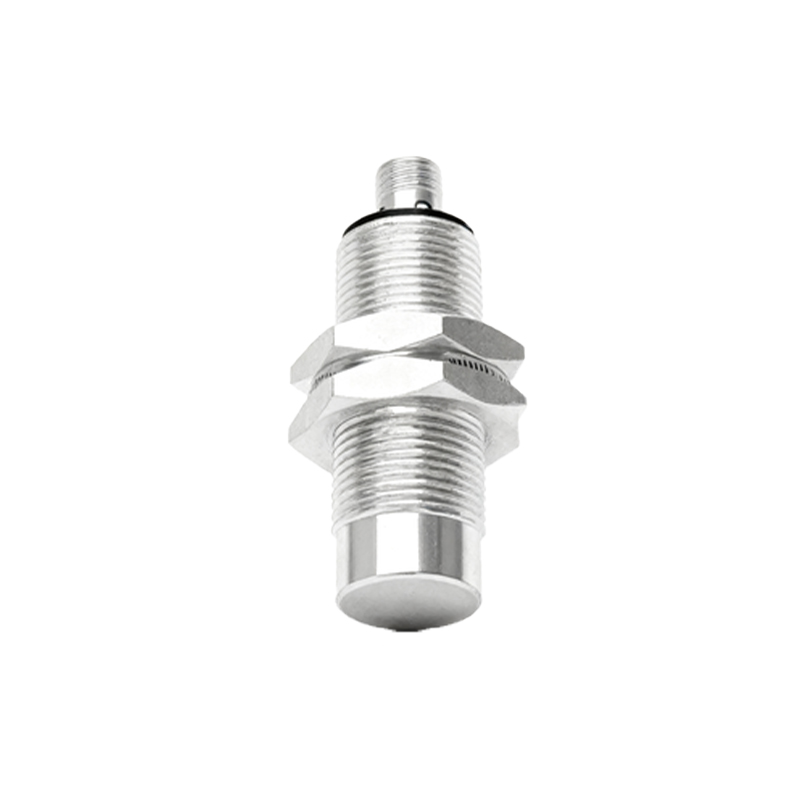
Understanding the underlying technologies is essential for evaluating brands. Inductive sensors detect metallic objects using electromagnetic fields, typically offering ranges up to a few tens of millimeters, with specialized models reaching further. Capacitive sensors can detect both metallic and non-metallic materials by sensing changes in capacitance, useful for levels of liquids or granules, with ranges similar to inductive types. For truly long-range applications, ultrasonic and photoelectric sensors are predominant. Ultrasonic sensors emit sound waves and measure the echo return time, effective for distances from a few centimeters to several meters, largely unaffected by color or transparency. Photoelectric sensors, using light beams (often infrared laser), provide the longest ranges—sometimes exceeding 100 meters—and high precision, but can be influenced by environmental factors like dust, fog, or ambient light. Advanced models incorporate background suppression or time-of-flight measurement to enhance reliability.
Leading Brands in the Market
Several established brands dominate the industrial long-range proximity sensor market, each with distinct strengths. Siemens, a global automation powerhouse, offers a comprehensive portfolio under its SIMATIC and SIRIUS ranges, known for high reliability, robust communication protocols (like PROFINET), and excellent performance in harsh environments. Their ultrasonic and laser-based sensors are widely used in logistics and automotive sectors. Pepperl+Fuchs, a German specialist in sensor technology, is renowned for innovation and durability, particularly in intrinsic safety and hazardous area applications. Their photoelectric sensors with advanced optics provide exceptional range and accuracy. Banner Engineering, based in the US, excels in photoelectric sensing, offering versatile, high-performance sensors with innovative features like patented modulation techniques for ignoring background interference. Their products are popular in packaging and material handling. Omron, a Japanese leader in automation, provides a wide array of inductive, capacitive, and photoelectric sensors noted for precision, compact design, and integration with control systems. Finally, SICK AG, another German innovator, is a top choice for demanding applications, with superior laser distance sensors and ultrasonic sensors used in factory automation, robotics, and measurement technology.
Selection Criteria for Industrial Users
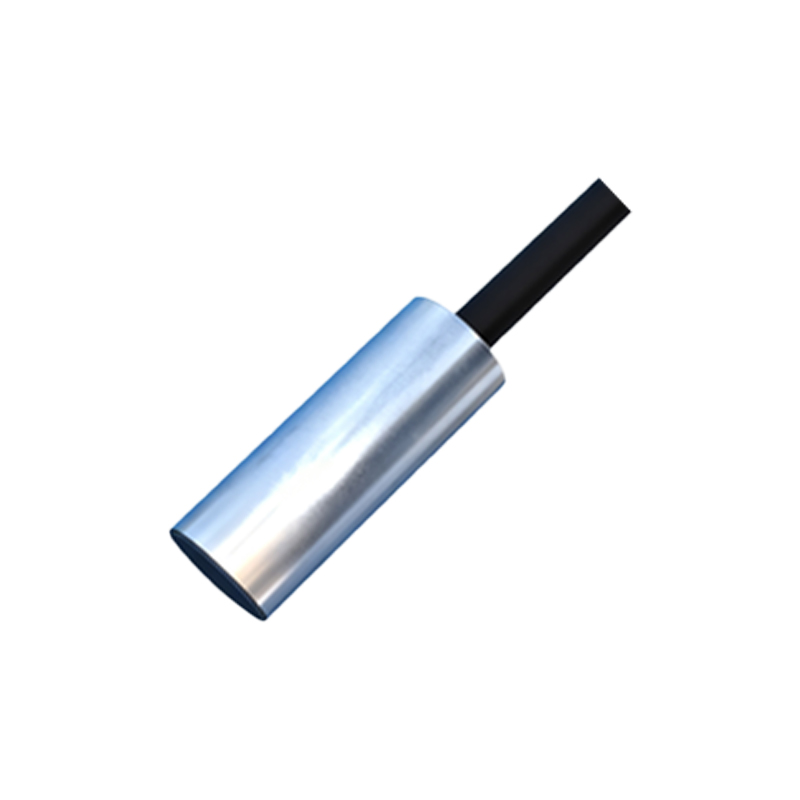
Choosing the right brand and model requires a detailed application analysis. First, define the required sensing distance and the target material's properties (metal, plastic, liquid, etc.). For very long ranges on solid objects, photoelectric laser sensors from Banner or SICK are often optimal. For environments with dust, steam, or varying temperatures, ultrasonic sensors from Siemens or Pepperl+Fuchs might be more reliable. Consider the electrical output needed (PNP/NPN, analog, IO-Link) and the supply voltage compatibility. Environmental ratings like IP67/IP69K for water and dust resistance, and operating temperature ranges, are critical for longevity. Ease of installation, alignment aids (like visible laser spots), and diagnostic capabilities (such as teach-in functions or status LEDs) can significantly reduce setup time and maintenance. Additionally, evaluate the brand's local support, availability of technical documentation, and compatibility with existing control architecture.
Application Examples and Industry Trends
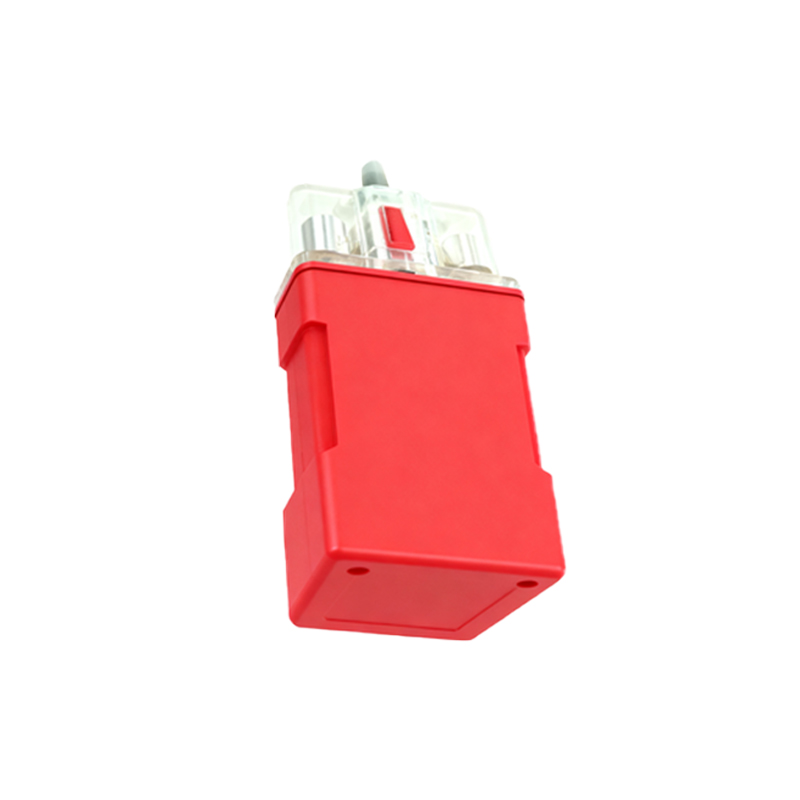
In practice, these sensors enable sophisticated automation. In automated storage and retrieval systems (AS/RS), SICK's long-range photoelectric sensors manage pallet positioning over aisles. Automotive plants use Omron or Pepperl+Fuchs sensors for precise robot guidance and part verification on assembly lines. In food and beverage, Banner's washdown-resistant sensors monitor bottle levels on conveyors. A growing trend is the integration of smart features via IO-Link, which allows for parameter setting, condition monitoring, and seamless data integration into Industrial IoT (IIoT) platforms, enhancing predictive maintenance. Brands like Siemens and SICK are at the forefront, offering sensors that provide not just a switch signal but rich diagnostic data. Furthermore, miniaturization without sacrificing range or robustness is a key development, allowing sensors to fit into increasingly compact machinery.