Introduction to Proximity Sensor Housings
The housing of a proximity sensor is far more than a simple protective shell; it is a critical component that defines the sensor's durability, performance, and application suitability. As an electrical engineer, understanding the nuances of housing manufacturing is essential for selecting the right sensor and ensuring long-term system reliability. The housing must shield sensitive internal electronics from environmental hazards such as moisture, dust, chemicals, and mechanical impact while maintaining precise sensing capabilities. The choice of material and manufacturing process directly influences the sensor's IP (Ingress Protection) rating, electromagnetic compatibility (EMC), and thermal management. A well-designed and precisely manufactured housing ensures that the inductive, capacitive, or photoelectric sensing element within operates consistently in its intended industrial environment, from clean rooms to harsh factory floors.

Material Selection for Optimal Performance
Material selection is the foundational decision in housing manufacturing, balancing cost, performance, and manufacturability. Stainless steel, particularly grades 303 and 316, is the gold standard for demanding applications. It offers exceptional corrosion resistance, high mechanical strength, and excellent durability against physical abrasion. For cost-sensitive or less corrosive environments, brass and aluminum alloys are prevalent. Aluminum housings are lightweight and offer good thermal conductivity, which can be beneficial for heat dissipation. Plastics, such as PBT (Polybutylene Terephthalate), PPS (Polyphenylene Sulfide), and PVDF (Polyvinylidene Fluoride), are increasingly used. These engineering thermoplastics provide excellent electrical insulation, resistance to a wide range of chemicals, and can be molded into complex shapes. The material must be compatible with the sensing technology; for instance, non-metallic housings are mandatory for capacitive sensors to prevent shielding of the electric field.
Precision Machining Processes
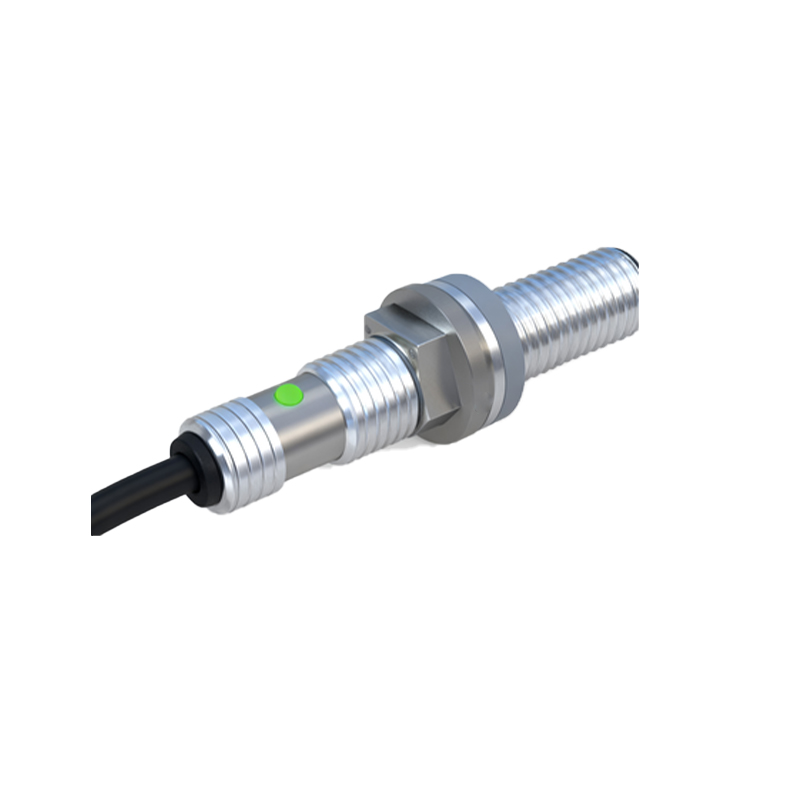
For metal housings, precision machining is the core manufacturing process. CNC (Computer Numerical Control) turning and milling are indispensable. CNC lathes are used to create the cylindrical body, threads (e.g., M8, M12, M18, M30 standard threads), and precise internal bores that hold the sensing face and electronics. Multi-axis CNC milling machines then create mounting brackets, cable entry points (conduit entries or connector interfaces), and any custom features. The tolerances are exceptionally tight, often within microns, to ensure a perfect fit for O-rings, epoxy seals, and the sensor module itself. Secondary operations like threading, drilling, and tapping are performed with high precision to guarantee that the sensor can be installed securely and maintain its seal. The machining process must also consider the final surface finish, as a smooth finish is crucial for effective sealing and, in some cases, for the sensor's aesthetic appeal.

Injection Molding for Plastic Housings
The production of plastic housings primarily relies on injection molding. This high-volume process involves injecting molten thermoplastic into a precision-machined steel mold cavity. The advantages are significant: high repeatability, excellent surface finish, and the ability to integrate complex features like snap-fits, living hinges, and internal ribs for structural reinforcement directly into the part. The mold design is critical and includes considerations for gate location (where plastic enters the cavity), cooling channels, and ejection pins. For sensors requiring metal threads, insert molding is used, where metal inserts are placed into the mold before injection, resulting in a strong, integrated metal-plastic assembly. Material flow and cooling rates are meticulously controlled to prevent defects like warping, sink marks, or internal stresses that could compromise the housing's integrity or dimensional stability.
Critical Aspects: Sealing and IP Ratings
Achieving a high IP rating (e.g., IP67, IP68, IP69K) is a paramount goal in housing manufacturing. This is accomplished through a combination of design and precision assembly. The housing typically consists of a main body and a front sensing face or cover. Between these components, elastomeric O-rings or gaskets made from materials like NBR (Nitrile Butadiene Rubber) or FKM (Fluoroelastomer/Viton) are compressed within precisely machined grooves. The geometry and surface finish of these gland grooves are as important as the O-ring itself. For cable outlets or connectors, potting with epoxy resin or using compression gland seals is standard practice. The entire assembly process must be controlled in a clean environment to prevent contaminant ingress before final sealing. Testing, often involving submersion in water or exposure to pressurized dust, validates the housing's protective capabilities.
Surface Treatment and Finishing
After the primary shaping process, surface treatments are applied to enhance functionality and longevity. For metal housings, passivation is common for stainless steel to remove