Introduction to Photoelectric Sensing Technology
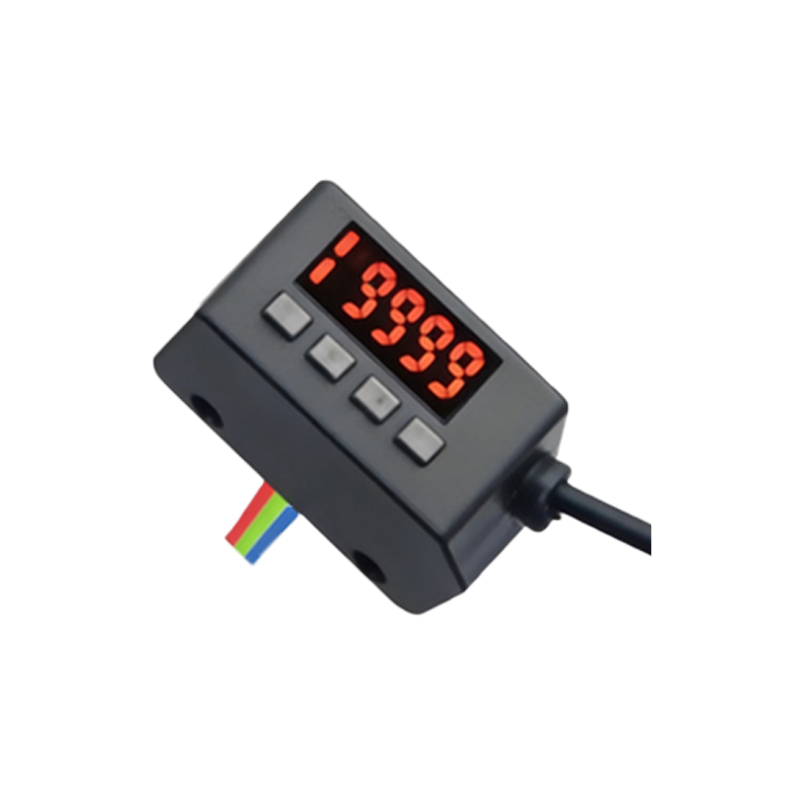
Photoelectric sensors are indispensable components in the vast landscape of industrial automation and control systems. These devices operate on a fundamental principle: they emit a beam of light, typically from an LED or laser diode, and detect changes in the received light signal caused by the presence, absence, or characteristics of a target object. This interaction between light and matter forms the basis for non-contact detection, offering significant advantages over mechanical limit switches or proximity sensors. The core components include an emitter, a receiver, and associated signal processing circuitry. The emitter generates the light signal, which can be modulated at a specific frequency to enhance immunity to ambient light interference. The receiver, often a phototransistor or photodiode, converts the received light intensity into an electrical signal. This signal is then processed to provide a clear, reliable output indicating the object's status. The technology's versatility allows it to adapt to countless applications, from simple object detection on a conveyor belt to complex positioning tasks in robotic arms.
Historical Evolution and Technological Advancements
The genesis of photoelectric sensing can be traced back to early 20th-century discoveries in photoelectric effects, famously explained by Albert Einstein. However, its practical industrial application surged with the advent of reliable, solid-state light sources and detectors in the latter half of the century. The introduction of the light-emitting diode (LED) was a pivotal moment, providing a durable, long-lasting, and energy-efficient light source compared to incandescent bulbs. Subsequent decades witnessed miniaturization, improved lens designs for better beam focusing, and the integration of microprocessors for advanced functionality. Modern sensors now feature sophisticated background suppression techniques, precise background evaluation, and the ability to detect minute color or contrast differences. Laser-based sensors offer exceptional precision for high-accuracy tasks, while fiber optic versions enable sensing in extreme environments—high temperatures, corrosive atmospheres, or confined spaces—by separating the sensitive electronics from the sensing point.
Core Operating Modes and Their Applications
Photoelectric sensors are primarily categorized by their sensing modes, each suited for specific operational challenges. The through-beam (or opposed) mode employs separate emitter and receiver units placed opposite each other. Detection occurs when an object interrupts the beam. This mode offers the longest sensing ranges and highest reliability, ideal for detecting opaque objects of varying colors or surfaces. The retro-reflective mode uses a single unit housing both emitter and receiver, along with a reflector. The sensor detects an object when it breaks the beam reflected back from the reflector. It provides a good balance of range and ease of installation, commonly used in packaging and material handling. Finally, the diffuse (or proximity) mode relies on the reflection of light directly from the target object itself. The sensor detects the presence of an object based on the intensity of the reflected light. While sensing range is shorter and can be influenced by the object's color and surface texture, this self-contained mode is extremely versatile for detecting objects at close range without needing a separate reflector or receiver unit.
Significance in Industrial Automation and Beyond
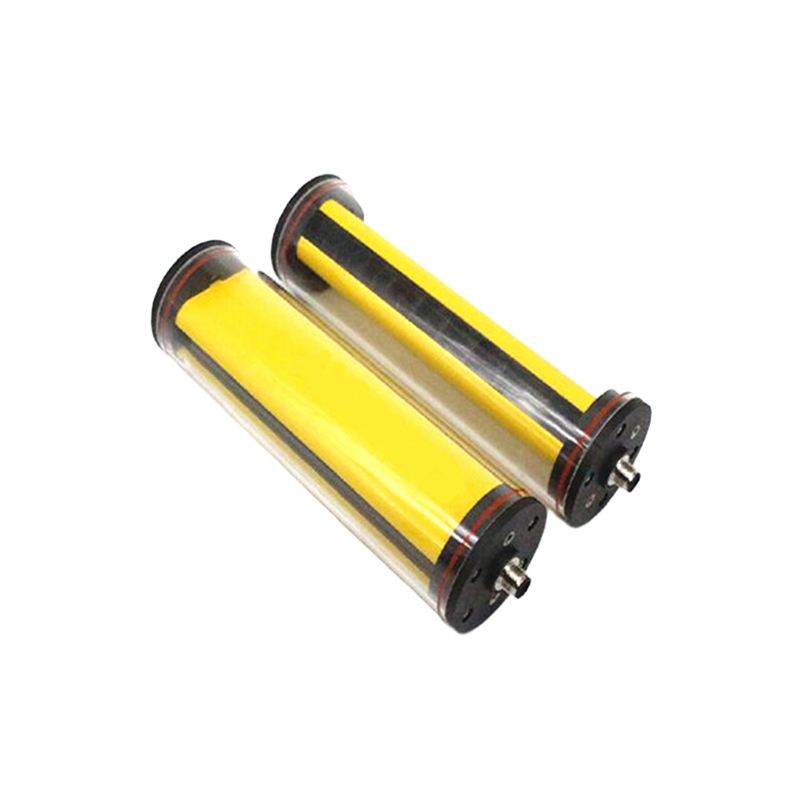
The significance of photoelectric sensors in modern industry cannot be overstated. They are the "eyes" of automated systems, enabling precise, high-speed, and non-contact monitoring critical for efficiency, safety, and quality control. In manufacturing, they count products, verify assembly completion, inspect for defects, and control robotic positioning. In logistics and warehousing, they track packages on sortation systems and manage inventory. Their non-contact nature eliminates mechanical wear and tear, ensuring long service life and reducing maintenance costs. Furthermore, they contribute significantly to safety systems, acting as light curtains or safety beams to protect personnel from hazardous machinery. Beyond traditional industry, their applications extend into everyday life—from automatic doors in supermarkets and paper detection in printers to touchless faucets and level sensing in vending machines. Their reliability, adaptability, and non-invasive operation make them a cornerstone technology for the Internet of Things (IoT) and smart factory concepts within Industry 4.0.
Future Trends and Concluding Perspective
The future of photoelectric sensing is intertwined with the evolution of industrial digitization and connectivity. Emerging trends include the development of IO-Link enabled sensors that provide not just a binary signal but rich diagnostic data—such as signal strength, operating temperature, and contamination levels—enabling predictive maintenance. There is a growing demand for sensors with enhanced vision-like capabilities, such as precise measurement of distance or profile, blurring the lines between traditional sensors and simple vision systems. Miniaturization continues, allowing integration into increasingly compact machinery. Additionally, sensors are being designed to operate more effectively in challenging conditions, like detecting transparent films in packaging or shiny metallic surfaces without false triggers. As automation becomes more pervasive and intelligent, the role of the photoelectric sensor will evolve from a simple detection device to a smart, data-generating node in a networked production ecosystem. Their fundamental principle remains elegantly simple, yet their continuous innovation ensures they will remain a vital, dynamic force in shaping efficient and intelligent automated systems for decades to come.