Introduction to Photoelectric Sensor GL6
The GL6 series represents a significant advancement in photoelectric sensing technology, designed to meet the rigorous demands of modern industrial automation. These sensors utilize modulated infrared light to detect objects with high precision, offering reliable performance in diverse and challenging environments. The core principle involves emitting a light beam from a transmitter; when an object interrupts or reflects this beam, the receiver detects the change, triggering an output signal. This non-contact detection method ensures minimal wear and tear, contributing to extended operational lifespans and reduced maintenance costs. The GL6 models are engineered with robust housings, typically rated IP67 or higher, providing excellent resistance to dust, moisture, and mechanical impacts, which is crucial for deployment in manufacturing plants, packaging lines, and material handling systems.
Key Technical Specifications and Features
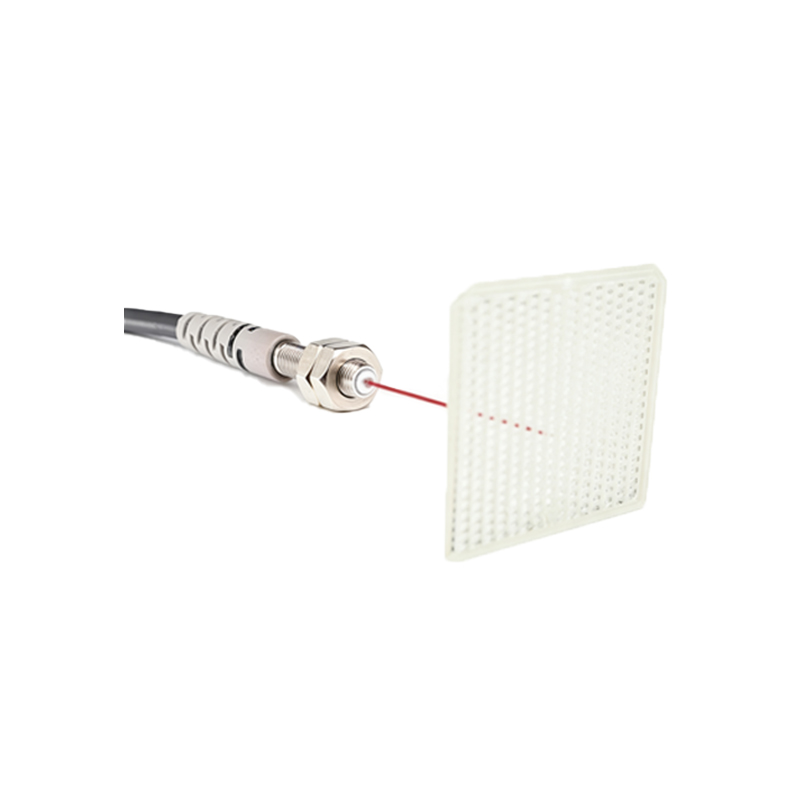
A critical aspect of the GL6 sensor is its technical specifications, which define its application scope. The sensing range varies by model, with some versions capable of detecting objects up to several meters away. Response time is exceptionally fast, often in the millisecond range, enabling high-speed counting, positioning, and inspection tasks. These sensors support multiple operating modes: through-beam, retro-reflective, and diffuse reflective, each suited for different detection scenarios. For instance, through-beam types offer the longest range and highest accuracy, while diffuse sensors are ideal for detecting objects at close proximity without a separate reflector. Additionally, many GL6 units incorporate advanced features like background suppression, which allows them to ignore distant objects or backgrounds, and teach-in functionality for easy configuration of sensing parameters via a button or remote input.
Wiring and Electrical Interface
The electrical integration of the GL6 sensor is straightforward, adhering to industry standards for connectivity. Typically, these sensors come with a pre-wired cable or a quick-disconnect M12 connector, facilitating easy installation and replacement. They operate on a wide DC voltage range, commonly 10-30V DC, ensuring compatibility with various industrial power supplies. The output configuration can be either NPN (sinking) or PNP (sourcing), with selectable normally open (NO) or normally closed (NC) contacts to interface seamlessly with PLCs, relays, or other control systems. Some advanced models also provide analog outputs or IO-Link communication, enabling not only binary detection but also distance measurement and parameterization through digital networks, enhancing their versatility in Industry 4.0 applications.
Environmental Considerations and Durability
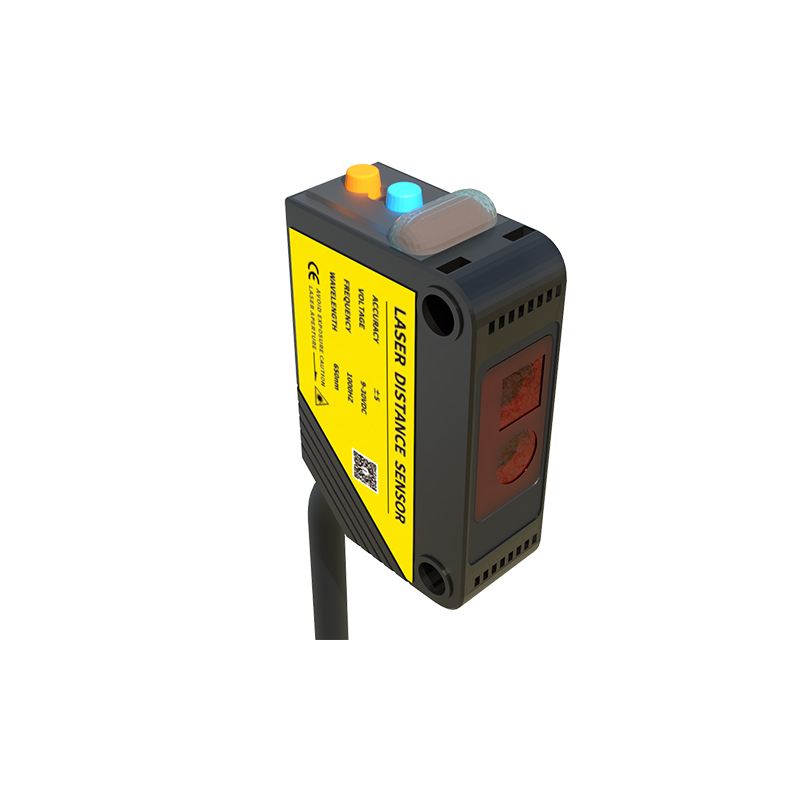
Industrial environments often present harsh conditions, including temperature extremes, vibration, and exposure to chemicals. The GL6 photoelectric sensor is built to withstand such challenges. Its housing is constructed from high-grade materials like nickel-plated brass or stainless steel, offering corrosion resistance. The optical lenses are made from scratch-resistant glass or specialized plastics, maintaining clarity and performance over time. Operating temperature ranges typically span from -25°C to 55°C, allowing reliable function in both refrigerated warehouses and hot factory floors. Furthermore, the sensors are designed to resist electromagnetic interference (EMI), ensuring stable operation near motors, inverters, and other electrical noise sources, which is vital for maintaining system integrity and reducing false triggers.
Typical Applications in Automation
The versatility of the GL6 sensor makes it indispensable across numerous industrial sectors. In automotive assembly lines, it is used for part presence verification, ensuring components like bolts or gaskets are correctly placed before robotic welding. In packaging machinery, these sensors detect labels, monitor fill levels, and count products on conveyor belts with high speed and accuracy. The food and beverage industry employs them for bottle cap inspection or detecting transparent films, leveraging their ability to sense a wide variety of materials, including glass, plastic, and metal. Logistics and warehousing systems utilize GL6 sensors for pallet positioning, door control, and automated guided vehicle (AGV) navigation, where precise object detection is critical for safety and efficiency.
Installation Tips and Best Practices
Proper installation is key to maximizing the performance and longevity of GL6 photoelectric sensors. Mounting should be secure to minimize vibration-induced misalignment. For through-beam types, ensuring precise alignment between transmitter and receiver is essential; laser alignment tools can aid in this process. In diffuse reflection mode, the sensor should be positioned at an appropriate angle to the target to avoid false readings from shiny surfaces. Environmental factors like ambient light from windows or high-gloss backgrounds can interfere with detection; using sensors with modulated light or installing protective shrouds can mitigate such issues. Regular maintenance, such as cleaning lenses from dust or debris, helps maintain optimal sensitivity. Additionally, consulting the manufacturer’s datasheet for specific mounting distances and environmental limits is recommended to avoid operational failures.
Future Trends and Integration
As industries move towards smarter automation, the role of sensors like the GL6 continues to evolve. Integration with Industrial Internet of Things (IIoT) platforms is becoming more common, where sensors provide real-time data for predictive maintenance and process optimization. Future iterations may incorporate enhanced diagnostics, such as self-monitoring of lens contamination or output current levels, alerting operators before failures occur. Advances in miniaturization could lead to smaller form factors without compromising range or durability, enabling installation in tighter spaces. Moreover, increased use of IO-Link and other open communication protocols will facilitate easier parameter setting, remote configuration, and interoperability within complex networked systems, solidifying the GL6's position as a cornerstone of efficient industrial sensing solutions.