Understanding Photoelectric Sensor Technology
Photoelectric sensors are pivotal components in modern industrial automation, utilizing light beams to detect the presence, absence, or distance of objects. These sensors operate on the principle of emitting a light signal—typically infrared, visible red, or laser—and measuring the reflection or interruption to determine object characteristics. Common types include through-beam, retro-reflective, and diffuse reflective sensors, each suited for specific applications based on range, environmental conditions, and precision requirements. Their non-contact nature ensures minimal wear and tear, making them ideal for high-speed production lines, packaging systems, and material handling. As industries evolve towards smarter manufacturing, the demand for reliable, high-performance photoelectric sensors continues to grow, driving innovation in customization to meet diverse operational needs.
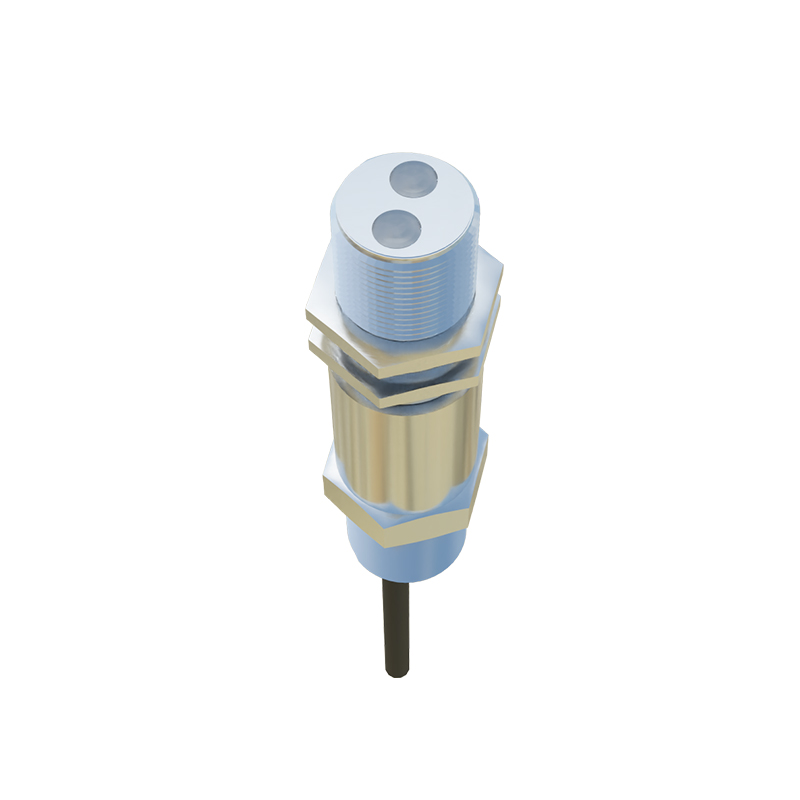
The Need for Bulk Customization in Industrial Applications
Standard off-the-shelf photoelectric sensors often fall short in addressing unique industrial challenges, such as extreme temperatures, harsh chemicals, or space constraints. Bulk customization allows companies to procure sensors tailored to their specific operational environments, enhancing efficiency and reducing downtime. For instance, in the food and beverage industry, sensors may require stainless steel housings and IP69K ratings for washdown environments, while automotive manufacturing might need high-speed sensors with enhanced resistance to oil and vibration. Customization can involve modifications in housing materials, beam patterns, sensing ranges, output signals, and connectivity options. By ordering in bulk, businesses achieve cost savings through economies of scale while ensuring consistency across their automation systems, leading to optimized production workflows and improved safety standards.
Key Considerations for Customizing Photoelectric Sensors
When embarking on bulk customization, several factors must be evaluated to ensure optimal performance. First, the application environment dictates sensor durability; options like ruggedized enclosures, wide temperature tolerances, and protective coatings are critical for longevity. Second, technical specifications such as sensing distance, response time, and light source type must align with the target use—for example, laser sensors for precise detection or infrared for longer ranges. Third, output configurations (e.g., NPN/PNP, analog, or IO-Link) should integrate seamlessly with existing control systems. Additionally, regulatory compliance, including CE, UL, or RoHS certifications, may be necessary for global markets. Collaborating with experienced manufacturers during the design phase helps balance these considerations, ensuring customized sensors deliver reliability without compromising on functionality or budget.
Benefits of Partnering with Specialized Manufacturers
Engaging with specialized manufacturers for bulk customization offers multifaceted advantages. These providers possess deep expertise in sensor engineering, enabling them to propose innovative solutions for complex detection scenarios. They often employ advanced prototyping and testing facilities to validate designs under simulated real-world conditions, reducing the risk of field failures. Moreover, established manufacturers streamline supply chains, offering scalable production capabilities and shorter lead times for large orders. Value-added services, such as technical support, firmware updates, and lifecycle management, further enhance the partnership. By leveraging manufacturer insights, companies can future-proof their investments, adapting sensors for emerging trends like Industry 4.0 and IoT integration, where data exchange and smart diagnostics become paramount.
Implementing Customized Sensors in Automation Systems
Successful implementation of customized photoelectric sensors requires a systematic approach. Begin with a thorough site assessment to identify detection points, environmental stressors, and integration requirements with PLCs or robotics. Pilot testing a small batch of custom sensors in live operations can uncover unforeseen issues, allowing for refinements before full-scale deployment. During installation, ensure proper alignment, calibration, and shielding from ambient light interference to maximize accuracy. Training maintenance teams on sensor-specific features and troubleshooting protocols minimizes operational disruptions. Over time, monitor performance metrics like detection rates and mean time between failures to assess ROI. As automation systems evolve, customized sensors can be re-configured or upgraded, offering flexibility to adapt to new production lines or technological advancements without complete overhauls.
Future Trends in Photoelectric Sensor Customization
The landscape of photoelectric sensor customization is rapidly evolving, driven by digitalization and sustainability demands. Smart sensors with embedded intelligence, such as self-diagnostics and predictive maintenance alerts, are becoming standard in custom orders, reducing unplanned downtime. Miniaturization trends enable compact designs for space-constrained applications, while energy-efficient models support green manufacturing initiatives. Additionally, the rise of IIoT (Industrial Internet of Things) facilitates sensors with wireless connectivity and cloud-based data analytics, allowing real-time monitoring and optimization across global facilities. Manufacturers are also exploring eco-friendly materials and modular designs for easier recycling or repurposing. As industries embrace adaptive automation, the future will see deeper collaboration between users and manufacturers to create bespoke sensor solutions that are not only high-performing but also scalable and sustainable.