Introduction to Proximity Sensor Housing Manufacturing
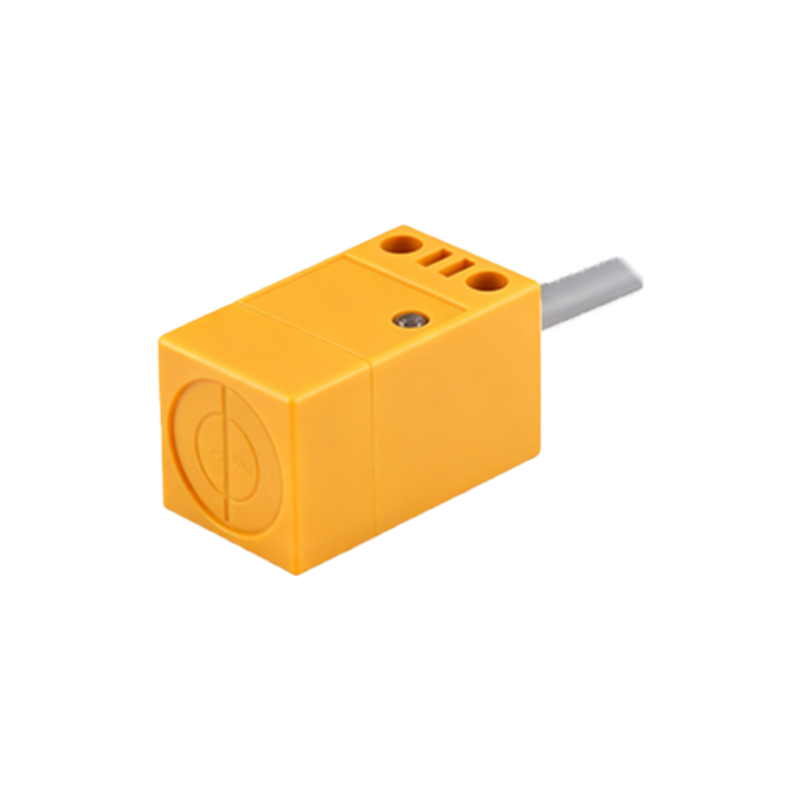
The production of proximity switch sensors hinges on the precision and reliability of their plastic housings. These components are not mere enclosures; they are integral to protecting sensitive internal electronics from environmental hazards such as moisture, dust, chemicals, and mechanical impact. Injection molding stands as the predominant manufacturing process for creating these critical housings. It offers the high-volume capability, repeatable accuracy, and material versatility required by the automotive, industrial automation, and consumer electronics sectors. The design and fabrication of the injection mold itself are, therefore, the foundational steps that determine the final product's quality, performance consistency, and long-term cost-effectiveness. A meticulously engineered mold ensures dimensional stability, optimal material flow, and efficient cycle times, directly impacting the sensor's ability to perform reliably in demanding field applications.
Critical Design Considerations for the Mold
Designing an injection mold for a proximity sensor housing is a multi-faceted engineering challenge. Primary considerations begin with the part geometry, which often includes complex features like thin walls for miniaturization, intricate mounting brackets, precise apertures for the sensing face, and labyrinth seals for ingress protection (IP ratings). The gate location is paramount; it must be positioned to ensure uniform filling, minimize weld lines (which can create structural weaknesses), and avoid directing flow over sensitive functional areas. Venting design is equally crucial to prevent air traps that cause burns or incomplete filling. Furthermore, the mold must account for material shrinkage rates to hold tight tolerances on critical dimensions. The choice of mold steel—such as pre-hardened steels like P20 or hardened tool steels like H13—is dictated by production volume, material abrasiveness (e.g., glass-filled polymers), and the required surface finish. Corrosion-resistant coatings or treatments may be applied for molds processing hygroscopic or corrosive plastic resins.

Advanced Mold Features for Sensor Housings
To achieve the high standards demanded by proximity sensor applications, modern molds incorporate several advanced features. Hot runner systems are frequently employed to reduce material waste, improve cycle times by eliminating cold runner solidification, and provide better control over melt temperature and pressure at each gate. For housings requiring internal threads or undercuts, unscreoming mechanisms or collapsible cores are integrated into the mold design, allowing for automatic demolding of complex features. Temperature control is sophisticated, often utilizing conformal cooling channels that follow the contour of the cavity and core. This technology ensures rapid and uniform cooling, which minimizes part warpage and internal stresses—defects that could compromise the sensor's sealing integrity or dimensional accuracy. Sensors and monitoring systems are often embedded within the mold to provide real-time data on pressure, temperature, and cavity fill, enabling predictive maintenance and process optimization.
Material Selection for Housing and Performance
The selection of thermoplastic material for the sensor housing is performed in tandem with mold design. Common choices include Polyamide (PA, Nylon) for its excellent mechanical strength and chemical resistance, Polybutylene Terephthalate (PBT) for outstanding dimensional stability and thermal resistance, and Polycarbonate (PC) or PC/ABS blends for good impact strength and clarity if needed. For harsh environments, materials like Polyphenylene Sulfide (PPS) or Liquid Crystal Polymer (LCP) may be specified. The mold must be designed to process these specific materials effectively. For instance, crystalline polymers like PBT have significant shrinkage and require precise mold temperature control, while abrasive glass-filled grades necessitate the use of wear-resistant mold steels. The interaction between material flow characteristics, cooling behavior, and mold design directly affects the final housing's ability to shield the sensor from EMI/RFI interference, UV degradation, and thermal cycling.
Quality Assurance and Mold Maintenance
Ensuring the longevity of the mold and the consistent quality of every produced housing requires a rigorous protocol. First-article inspection (FAI) using coordinate measuring machines (CMM) verifies that initial samples from the new mold meet all critical design dimensions. Throughout production, statistical process control (SPC) monitors key parameters like shot weight, cycle time, and cavity pressure to detect any drift. Regular preventive maintenance of the mold is non-negotiable. This includes cleaning of vents and cooling lines, inspection and polishing of critical surfaces (e.g., sealing faces, lens apertures), and checking the integrity of moving components like ejector pins and sliders. A well-maintained mold prevents defects such as flash, short shots, sink marks, and dimensional variation, which could lead to sensor failure in the field. Proper storage in a controlled environment when not in use prevents corrosion and damage.
Conclusion: The Mold as a Strategic Asset
In the ecosystem