Introduction to Optical Slot Sensor Technology
Optical slot sensors, a critical component in modern elevator systems, operate on a fundamental principle of photoelectric sensing. These devices consist of an infrared light-emitting diode (LED) on one side and a phototransistor or photodiode receiver on the opposite side, forming a precise "slot." When an object passes through this slot, it interrupts the light beam, generating a clear digital signal. This non-contact detection method is highly favored in elevator applications due to its exceptional accuracy, reliability, and immunity to environmental factors like dust or magnetic interference that can plague mechanical switches. The core advantage lies in its ability to detect objects without physical touch, ensuring longevity and minimal maintenance. In elevator cabins and shafts, these sensors provide the silent, instantaneous feedback necessary for sophisticated control systems, forming the backbone of positional awareness and safety interlocks.
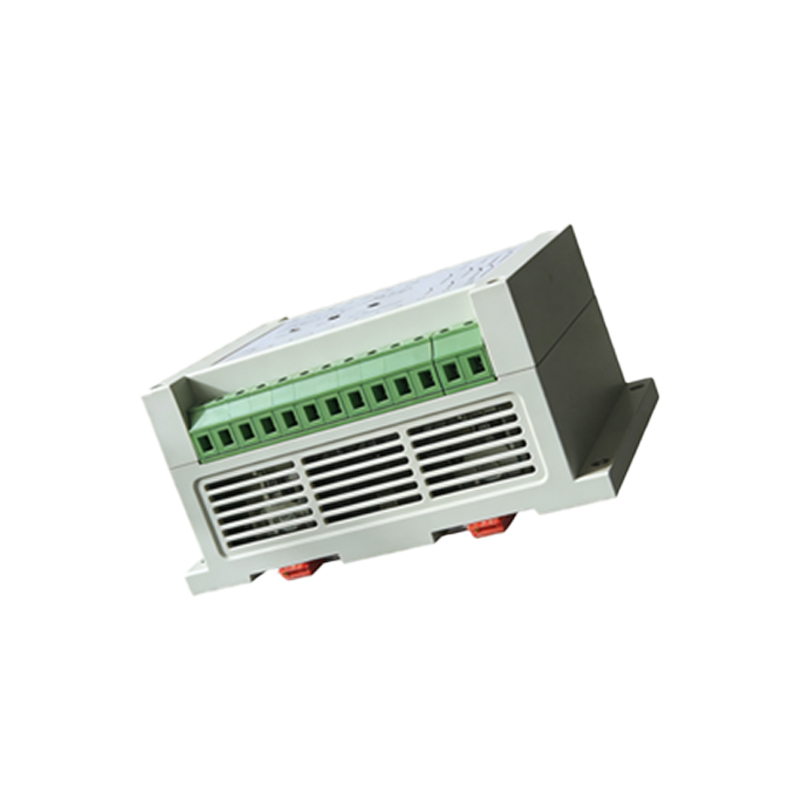
Key Applications in Elevator Control Systems
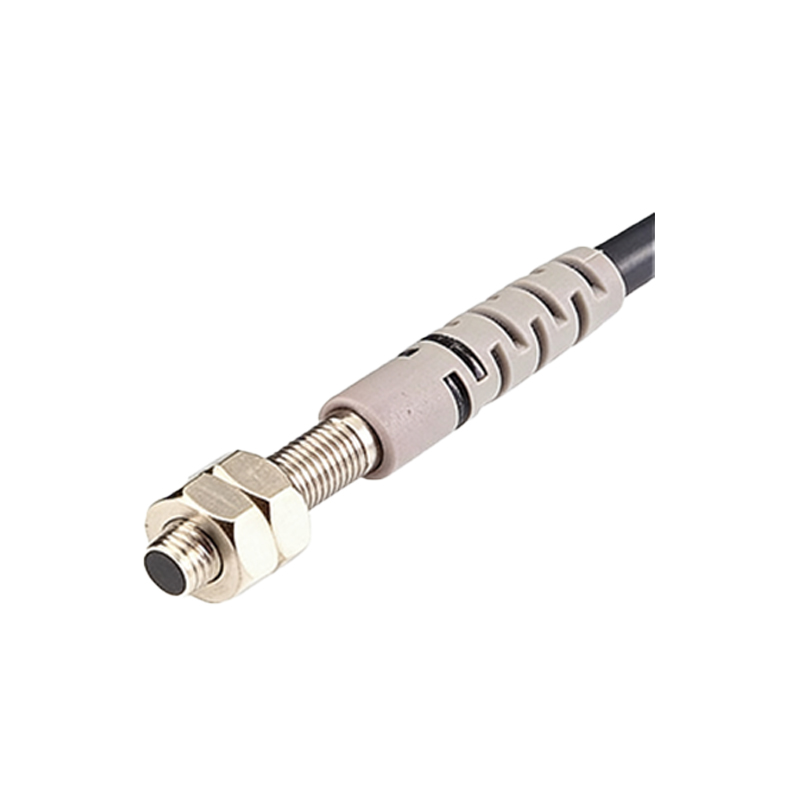
The integration of optical slot sensors elevates the functionality and safety of elevator systems across multiple domains. A primary application is precise floor leveling. Sensors mounted in the hoistway detect flags or vanes attached to the elevator car, signaling the control system when the car aligns perfectly with a floor landing. This ensures smooth, accurate stops, eliminating uncomfortable gaps. Secondly, they are indispensable for door safety systems. Sensors positioned on elevator doors detect obstructions in the closing path, immediately commanding the doors to reopen, thus preventing accidents. Furthermore, they monitor the speed and position of the car for governor systems, a vital safety feature that triggers braking if overspeed is detected. In modern destination dispatch systems, slot sensors help verify car position for optimal passenger routing and efficiency.
Advantages Over Traditional Sensing Methods
Compared to traditional mechanical limit switches or magnetic reed sensors, optical slot sensors offer a suite of compelling advantages that justify their widespread adoption. Their non-contact nature is paramount, eliminating wear and tear from physical actuation, which translates to dramatically extended service life and reduced downtime for repairs. The response time is exceptionally fast, measured in microseconds, allowing for real-time control critical in high-speed elevator applications. They provide consistent, repeatable accuracy unaffected by contact bounce—a common issue with mechanical switches. Additionally, their sealed design makes them resistant to contaminants like oil, dust, and moisture commonly found in elevator shafts. This robustness ensures stable operation in harsh environments, contributing to overall system reliability and passenger safety with fewer false signals or failures.
Design Considerations and Installation Best Practices
Successful deployment of optical slot sensors in elevator systems requires careful attention to design and installation parameters. Engineers must first select sensors with appropriate sensing distances and slot widths to reliably detect the target object, typically a metal or plastic vane. Alignment during installation is critical; even minor misalignment between the emitter and receiver can cause signal dropout or failure. Securing the sensor and its target vane against vibration is essential to maintain consistent operation over time. Environmental factors must be considered; while resistant, extreme ambient light or heavy condensation might necessitate sensors with modulated infrared light or protective housings. Wiring should follow strict EMI/RFI shielding guidelines to prevent electrical noise from interfering with the low-voltage signal. Regular calibration and testing as part of preventive maintenance schedules ensure ongoing precision.
The Role in Elevator Modernization and Smart Buildings
Optical slot sensors are not merely components for new installations; they are pivotal in elevator modernization projects. Retrofitting older systems with these sensors can significantly enhance performance, safety, and energy efficiency. Modern sensors often come with digital outputs that integrate seamlessly with programmable logic controllers (PLCs) and IoT-enabled elevator management systems. This integration facilitates predictive maintenance, where sensor performance data can be analyzed to forecast potential failures before they occur, minimizing disruptions. In the context of smart buildings, these sensors contribute valuable data points on elevator usage patterns, door cycle counts, and operational status, feeding into building management systems for optimized traffic flow, energy savings, and enhanced user experience. Their reliability and data capability make them a cornerstone of intelligent vertical transportation.
Future Trends and Technological Evolution
The future of optical sensing in elevators points toward greater integration, intelligence, and miniaturization. We are witnessing the development of sensors with built-in diagnostic LEDs and IO-Link communication capabilities, providing detailed status information and simplifying troubleshooting. The convergence with other technologies, such as time-of-flight sensors or machine vision, may lead to multi-functional sensing units capable of detecting object presence, size, and even direction. Furthermore, advancements in materials and optics may yield sensors with even higher immunity to environmental challenges and longer operational ranges. As elevator systems evolve toward greater autonomy and connectivity within smart city infrastructures, the humble optical slot sensor will continue to evolve as a reliable, data-rich interface between the physical movement of the elevator and its digital control brain.