Introduction to APEX2PRO Photoelectric Sensors
The APEX2PRO series represents a significant advancement in photoelectric sensing technology, designed to meet the rigorous demands of modern industrial automation. These sensors utilize state-of-the-art optical components and signal processing algorithms to deliver unparalleled accuracy and reliability in detecting objects, regardless of their material, color, or surface texture. Engineered for versatility, the APEX2PRO is suitable for a wide range of applications, from packaging and material handling to automotive assembly and pharmaceutical production. Its robust construction ensures consistent performance even in harsh environments characterized by dust, moisture, and temperature fluctuations. By integrating cutting-edge features such as adjustable sensing ranges and advanced diagnostics, the APEX2PRO enhances operational efficiency and reduces downtime, making it a preferred choice for engineers seeking dependable sensing solutions.
Key Technological Features and Innovations
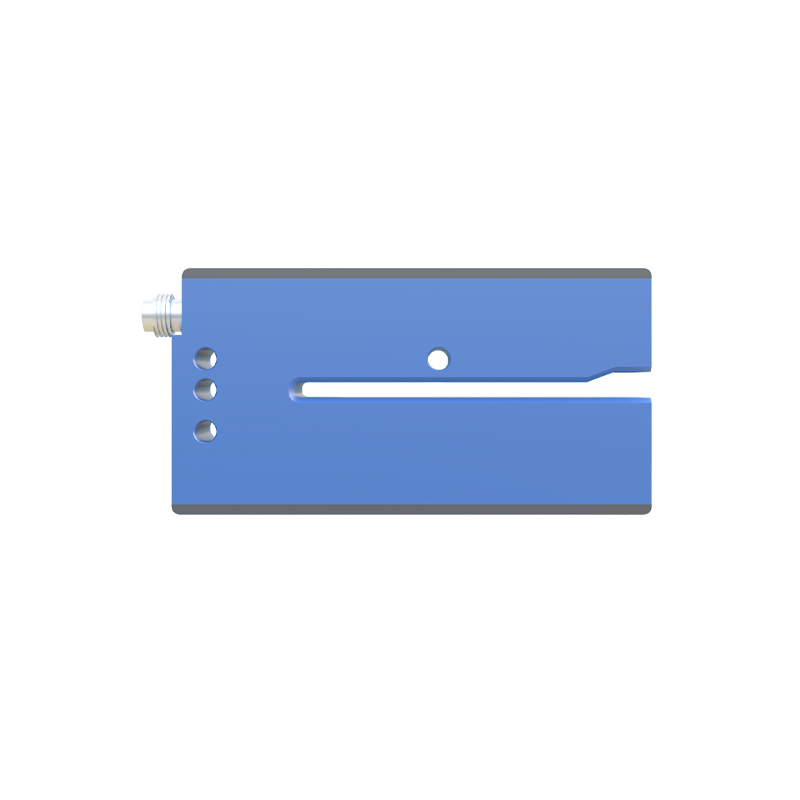
At the core of the APEX2PRO photoelectric sensor is its innovative optical system, which employs a high-intensity LED or laser light source combined with a precision lens. This configuration enables precise beam focusing, allowing for long-range detection and minimal interference from ambient light. The sensor incorporates a digital signal processor (DSP) that analyzes reflected light patterns in real-time, distinguishing between target objects and background noise with exceptional accuracy. Additionally, the APEX2PRO features multiple operating modes, including diffuse, retro-reflective, and through-beam, providing flexibility for diverse installation scenarios. With IP67-rated enclosures, these sensors are resistant to water and dust ingress, ensuring durability in challenging industrial settings. The inclusion of IO-Link communication capability facilitates seamless integration into Industry 4.0 networks, enabling remote configuration and predictive maintenance.
Applications Across Industrial Sectors
The versatility of the APEX2PRO photoelectric sensor makes it indispensable across various industries. In manufacturing, it is used for precise part positioning on conveyor belts, detecting minute components in electronic assembly lines, and monitoring fill levels in containers. The logistics sector relies on these sensors for package sorting, palletizing, and inventory management, where speed and accuracy are critical. In the automotive industry, APEX2PRO sensors ensure quality control by verifying the presence of parts during robotic welding and painting processes. Furthermore, their hygienic design suits food and beverage applications, such as detecting labels on bottles or ensuring proper sealing of packages. By offering customizable sensing parameters, the APEX2PRO adapts to specific operational needs, enhancing productivity and safety in automated systems.
Installation and Configuration Guidelines
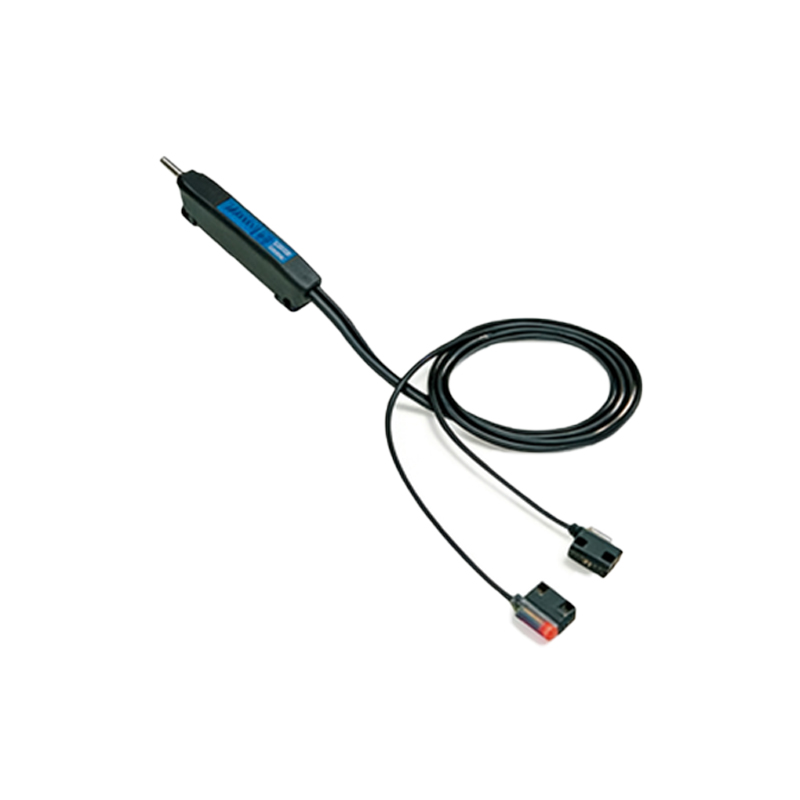
Proper installation is essential to maximize the performance of APEX2PRO photoelectric sensors. Engineers should begin by selecting the appropriate mounting location, ensuring a clear line of sight between the emitter and receiver without obstructions. Alignment tools, such as built-in indicators or external alignment aids, can simplify setup by providing visual feedback on signal strength. The sensor’s parameters, including sensitivity, response time, and output logic, can be adjusted via push-button controls or software interfaces, allowing fine-tuning for specific applications. It is recommended to conduct periodic calibration checks, especially in environments with variable lighting or temperature conditions, to maintain optimal detection accuracy. Additionally, users should refer to the technical manual for wiring diagrams and compatibility with PLCs or other control systems, ensuring seamless integration into existing automation frameworks.
Benefits for Operational Efficiency and Cost Savings
Implementing APEX2PRO photoelectric sensors contributes significantly to operational efficiency and cost reduction in industrial settings. Their high detection accuracy minimizes false triggers and production errors, leading to improved product quality and reduced waste. The robust design reduces maintenance requirements and extends service life, lowering replacement costs and downtime. With advanced diagnostic features, such as condition monitoring and fault alerts, these sensors enable proactive maintenance, preventing unexpected breakdowns and optimizing resource allocation. Energy-efficient operation, achieved through low-power consumption modes, further reduces operational expenses. By enhancing automation reliability, the APEX2PRO supports lean manufacturing principles, helping businesses achieve higher throughput and competitiveness in global markets.
Future Trends and Industry Outlook
The evolution of photoelectric sensing technology continues to drive innovations in the APEX2PRO series and beyond. Emerging trends include the integration of artificial intelligence (AI) for adaptive sensing, where sensors learn from environmental changes to optimize performance autonomously. Miniaturization efforts are making sensors more compact, enabling installation in space-constrained applications without compromising functionality. Additionally, advancements in wireless connectivity and IoT compatibility are expanding the role of photoelectric sensors in smart factories, facilitating real-time data exchange and centralized control. As industries increasingly adopt automation and digitalization, the demand for reliable, high-performance sensors like the APEX2PRO is expected to grow, underscoring their importance in shaping the future of industrial productivity and innovation.