Introduction to Proximity Switch Level Sensors
Proximity switch level sensors are fundamental components in modern industrial automation, providing reliable and non-contact detection of material presence or absence at predetermined points. Unlike continuous level measurement devices, these sensors offer a simple, binary output—typically a change in an electrical signal—when a target material reaches or falls below a specific sensing point. Their operation is based on the principle of detecting the presence of an object without physical contact, which minimizes wear and tear and ensures longevity in harsh environments. Commonly used for high or low-level alarms, pump control, and inventory management in silos, bins, and hoppers, these switches are prized for their robustness, simplicity, and cost-effectiveness. The selection of the appropriate technology—inductive, capacitive, or ultrasonic—depends heavily on the application's specific material properties and environmental conditions.
Core Operating Principles and Technologies
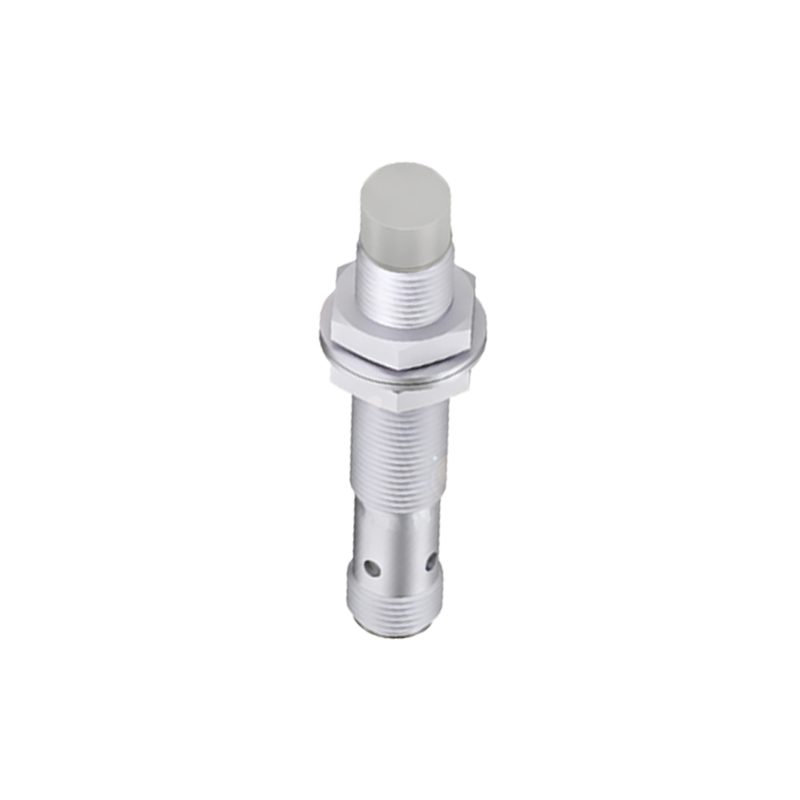
The functionality of a proximity switch level sensor hinges on its underlying technology. Inductive proximity sensors are the go-to choice for detecting metallic objects. They generate an electromagnetic field; when a conductive metal enters this field, it induces eddy currents, causing a change in the sensor's oscillation amplitude, which triggers the output switch. Capacitive proximity sensors, on the other hand, can detect both metallic and non-metallic materials, including liquids, granules, and powders. They function by measuring changes in capacitance between the sensor's active face and the ground. The introduction of a material with a different dielectric constant alters this capacitance, activating the switch. For more challenging applications involving varying material densities or requiring detection from a greater distance, ultrasonic proximity switches are employed. These emit high-frequency sound waves and detect the echo reflected from the material's surface, using the time-of-flight principle to determine presence.
Key Advantages in Industrial Settings
The adoption of proximity switch level sensors brings several critical advantages to industrial operations. Their non-contact nature is paramount, eliminating mechanical wear, reducing maintenance needs, and preventing product contamination—a vital factor in food, pharmaceutical, and chemical industries. They offer high switching speeds and repeatability, making them ideal for fast-paced production lines and precise control loops. Furthermore, many models are designed with rugged housings, often rated IP67 or higher, providing excellent resistance to dust, moisture, and chemical splashes. Their simple installation and setup, coupled with minimal calibration requirements for point-level detection, translate to lower overall installation and lifecycle costs compared to more complex continuous level systems. This reliability ensures process safety by preventing overfills, run-dry conditions, and spillages.
Critical Selection Criteria and Installation Best Practices
Selecting the right proximity switch requires careful consideration of several application-specific parameters. The material type is the primary determinant: inductive for metals, capacitive for non-metals or liquids. The sensor's sensing distance, or "snap distance," must be appropriate for the installation geometry and target material. Environmental factors such as ambient temperature, pressure, and the presence of dust, foam, or heavy vibrations must be matched with the sensor's specifications. For capacitive sensors, the dielectric constant of the material is crucial. Proper installation is equally important. Sensors should be mounted securely to avoid false triggers from vibration. In conductive vessels, capacitive sensors often require an insulated mounting or a ground reference electrode. For materials that coat or build up, choosing a sensor with a "non-stick" PTFE face or a sufficient dead band can prevent malfunction. Always ensure the electrical output (PNP/NPN, NO/NC) is compatible with the control system.
Common Applications Across Various Industries
The versatility of proximity level switches sees them deployed across a vast spectrum of industries. In bulk material handling, they control the filling of silos with plastic pellets, grains, or cement, activating conveyors or triggering alarms. Within the chemical and water treatment sectors, they monitor acid, solvent, or water levels in tanks, safeguarding pumps from dry running. The food and beverage industry utilizes them for point-level detection of milk, juice, powders, and grains in processing vessels, often requiring sensors with specific hygienic certifications. In automotive manufacturing, inductive sensors detect the presence of metal parts on assembly lines or control coolant levels in machining centers. Their role in simple bin level indication for waste management or recycling systems further underscores their utility as a fundamental building block of automated material management.
Maintenance, Troubleshooting, and Future Trends
While known for durability, proximity switches require periodic checks to ensure ongoing reliability. Routine maintenance involves visual inspection for physical damage or buildup, verification of secure electrical connections, and functional testing. Common issues include false triggering, often caused by material buildup, incorrect mounting, or electrical interference. Failure to trigger may indicate a misaligned sensor, a power supply