Introduction to Photoelectric Sensors
Photoelectric sensors are pivotal components in modern industrial automation, utilizing light beams to detect the presence, absence, or distance of objects. These sensors operate by emitting a light source—typically infrared, visible red, or laser—and measuring the reflection or interruption of that light. Common types include through-beam, retro-reflective, and diffuse reflective sensors, each suited for specific applications based on range, environmental conditions, and target materials. Their non-contact nature ensures minimal wear and tear, making them ideal for high-speed production lines, packaging machinery, and material handling systems. With advancements in technology, modern photoelectric sensors offer enhanced features such as background suppression, precise sensing distances, and resistance to ambient light interference, contributing to reliable and efficient operations in diverse industrial settings.
Role of PLCs in Industrial Control
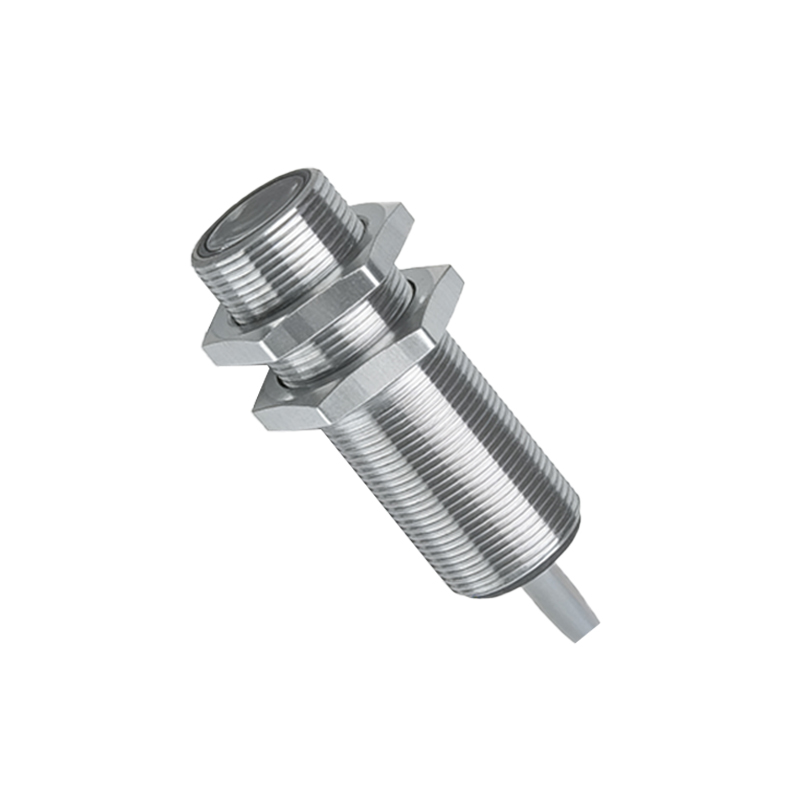
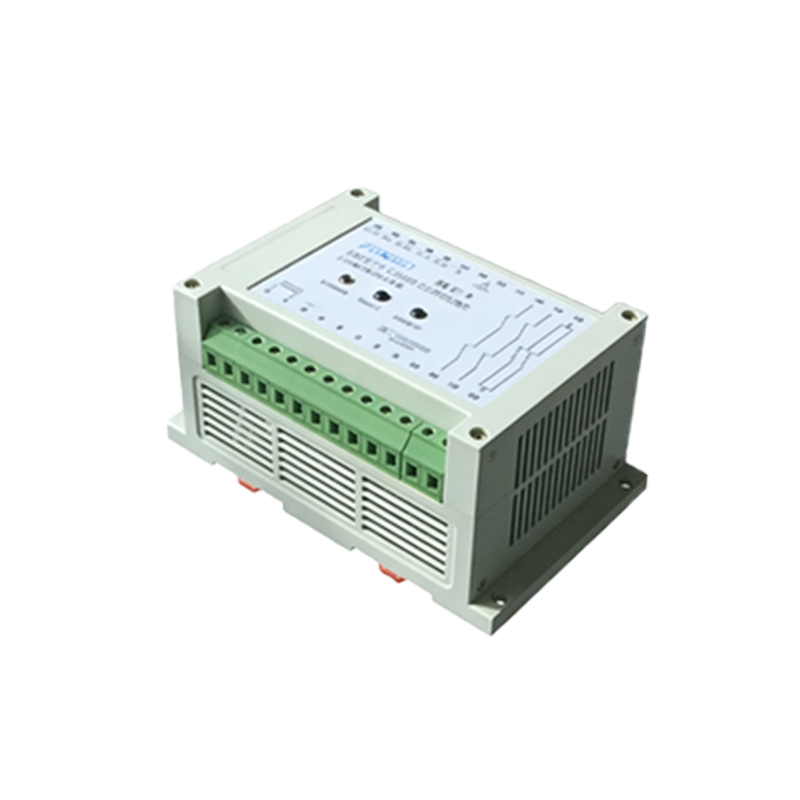
Programmable Logic Controllers (PLCs) serve as the central nervous system in automated industrial processes, executing control logic based on input signals from sensors like photoelectric devices. PLCs receive digital or analog data from these sensors, process it according to pre-programmed instructions, and generate output commands to actuators, motors, or other machinery. This enables real-time monitoring and adjustment of production lines, ensuring accuracy and consistency. PLCs are highly versatile, supporting modular designs that allow for easy expansion and integration with various industrial networks, such as Ethernet/IP or Profibus. Their robustness in harsh environments—resistant to dust, moisture, and temperature fluctuations—makes them indispensable for applications ranging from automotive manufacturing to food processing, where precision and reliability are paramount.
Integration of Photoelectric Sensors with PLCs
The seamless integration of photoelectric sensors with PLCs forms the backbone of automated control systems, enabling sophisticated detection and response mechanisms. In a typical setup, photoelectric sensors are wired to PLC input modules, transmitting signals when an object is detected (e.g., a high or low voltage state). The PLC’s ladder logic or structured text programming then interprets these inputs to trigger outputs, such as stopping a conveyor belt or activating a robotic arm. For instance, in a bottling plant, a through-beam sensor might detect bottles on a line, sending a signal to the PLC to count items and control filling operations. Advanced configurations involve analog sensors providing distance data to PLCs for precise positioning, while networked systems allow for remote diagnostics and data logging via Human-Machine Interfaces (HMIs), enhancing operational visibility and efficiency.
Key Considerations for System Design
Designing an effective photoelectric sensor and PLC system requires careful attention to several technical factors to ensure optimal performance. First, selecting the appropriate sensor type is critical: through-beam sensors offer long-range detection but need separate emitter and receiver units, while diffuse sensors are compact but sensitive to object color and surface. Environmental conditions, such as dust, fog, or ambient light, must be mitigated through sensor enclosures or filters. Electrical compatibility is also essential, with voltage levels (e.g., 24V DC) and signal types (PNP vs. NPN) matching PLC input specifications. Programming the PLC involves configuring scan times and debounce filters to prevent false triggers from sensor noise. Additionally, safety protocols, like using redundant sensors for critical processes, help prevent malfunctions. Regular maintenance, including lens cleaning and alignment checks, prolongs system lifespan and reduces downtime in industrial applications.
Advantages and Applications in Industry
The combination of photoelectric sensors and PLCs delivers significant advantages, driving productivity and innovation across industries. Key benefits include high-speed operation, with sensors detecting objects at rates exceeding milliseconds, and flexibility, as PLC programs can be easily modified for different tasks without hardware changes. This synergy enhances quality control by enabling precise inspection—for example, verifying product dimensions or detecting defects on assembly lines. In automotive manufacturing, sensors monitor part placement, while PLCs coordinate robotic welding, ensuring consistency. Logistics and warehousing leverage these systems for sorting packages, with sensors identifying barcodes and PLCs directing conveyors. Emerging trends, such as the integration with Industrial Internet of Things (IIoT) platforms, allow for predictive maintenance and data analytics, further optimizing resource use and reducing operational costs in smart factories.
Future Trends and Innovations
The future of photoelectric sensors and PLC integration is shaped by technological advancements that promise greater intelligence and connectivity in industrial automation. Innovations in sensor technology include miniaturization, with smaller form factors enabling installation in tight spaces, and enhanced sensitivity for detecting transparent or low-reflectivity objects. Smart sensors with embedded microprocessors can perform preliminary data processing, reducing PLC workload and improving response times. On the PLC front, developments like edge computing and cloud-based control systems facilitate real-time data exchange and remote management. The adoption of open standards, such as OPC UA, promotes interoperability between devices from different manufacturers. Additionally, machine learning algorithms integrated with PLCs can analyze sensor data to predict failures or optimize processes autonomously. As industries move toward Industry 4.0, these innovations will foster more adaptive, efficient, and sustainable automation solutions, reinforcing the critical role of photoelectric sensors and PLCs in modern manufacturing.