Introduction to Proximity Sensor Alarm Systems
Proximity sensor alarm systems are integral components in modern industrial automation, designed to detect the presence or absence of objects without physical contact. These systems utilize various sensing technologies, such as inductive, capacitive, ultrasonic, and photoelectric methods, to monitor machinery, production lines, and safety zones. By triggering alarms when predefined conditions are met—such as an object entering a restricted area or a machine part deviating from its expected position—they prevent accidents, reduce downtime, and optimize operational workflows. Their non-contact nature ensures minimal wear and tear, making them reliable for harsh environments where dust, moisture, or extreme temperatures are present. Industries ranging from automotive manufacturing to food processing rely on these sensors to maintain high safety standards and efficiency.
Key Technologies Behind Proximity Sensors
The effectiveness of proximity sensor alarm systems hinges on advanced sensing technologies. Inductive sensors, for instance, detect metallic objects by generating an electromagnetic field, making them ideal for metal detection in machinery. Capacitive sensors, on the other hand, can sense both metallic and non-metallic materials by measuring changes in capacitance, useful in liquid level detection or plastic handling. Ultrasonic sensors use sound waves to gauge distance and are employed in applications requiring precise object positioning, while photoelectric sensors rely on light beams to identify objects, even in transparent or reflective surfaces. Each technology offers unique advantages, such as high-speed response, immunity to environmental interference, or long sensing ranges, allowing engineers to select the best fit for specific industrial needs.
Design and Implementation of Alarm Systems
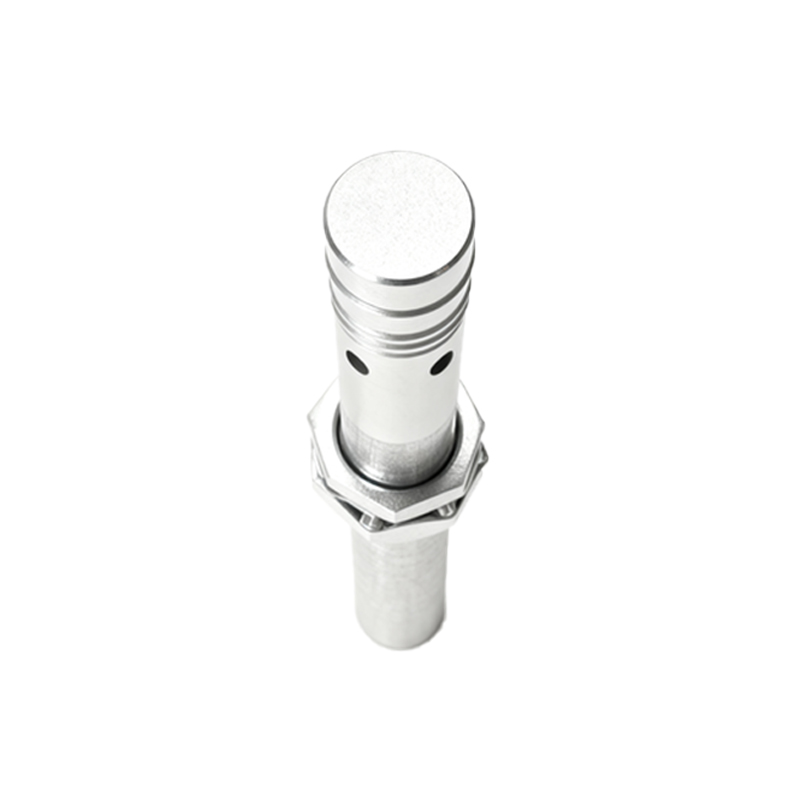
Implementing a proximity sensor alarm system involves careful design to ensure accuracy and reliability. Engineers must consider factors like sensor placement, sensing range, and environmental conditions. For example, in a conveyor belt system, sensors might be installed at critical points to detect jams or misaligned items, with alarms configured to halt operations immediately upon detection. The alarm mechanism typically includes visual indicators (e.g., LED lights), audible alerts (e.g., buzzers or sirens), and integration with programmable logic controllers (PLCs) for automated responses. Redundancy is often built in, using multiple sensors to cross-verify signals and prevent false alarms. Regular calibration and maintenance are essential to sustain performance, as sensor drift or contamination can lead to malfunctions.
Applications in Industrial Safety and Automation
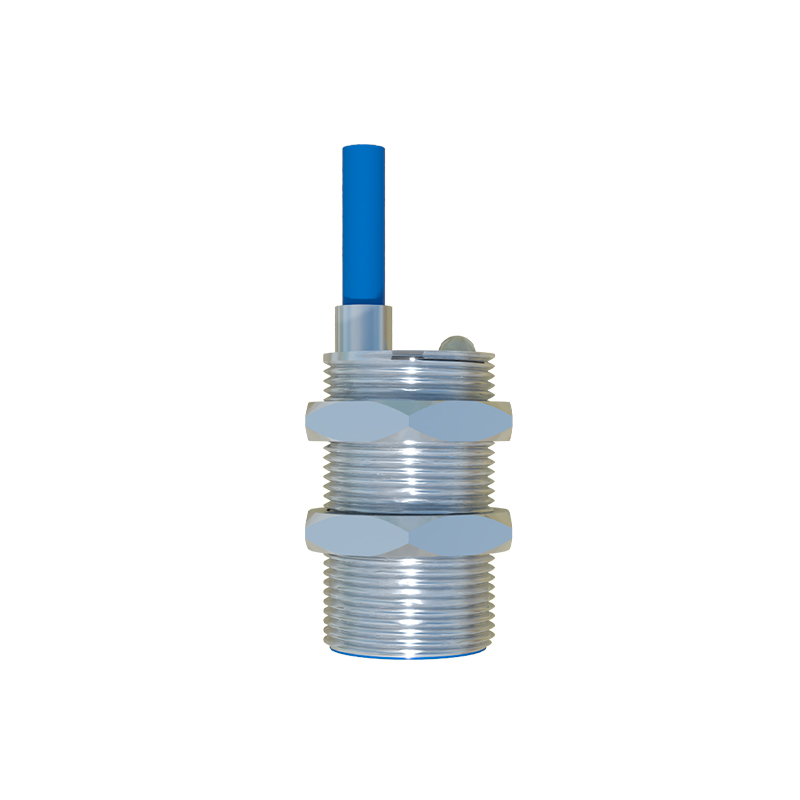
Proximity sensor alarm systems play a vital role in enhancing industrial safety and automation. In safety applications, they are used to create protective barriers around hazardous machinery, ensuring that operators cannot access danger zones during operation. For instance, in robotic assembly lines, sensors detect human presence and trigger alarms or shutdowns to prevent injuries. In automation, these systems monitor production processes, such as counting items on a line or verifying part alignment, with alarms alerting staff to deviations that could cause defects. The automotive industry uses them for quality control, while the pharmaceutical sector relies on them for sterile environment monitoring. By providing real-time feedback, they enable proactive maintenance and reduce the risk of costly breakdowns.
Benefits and Challenges in Deployment
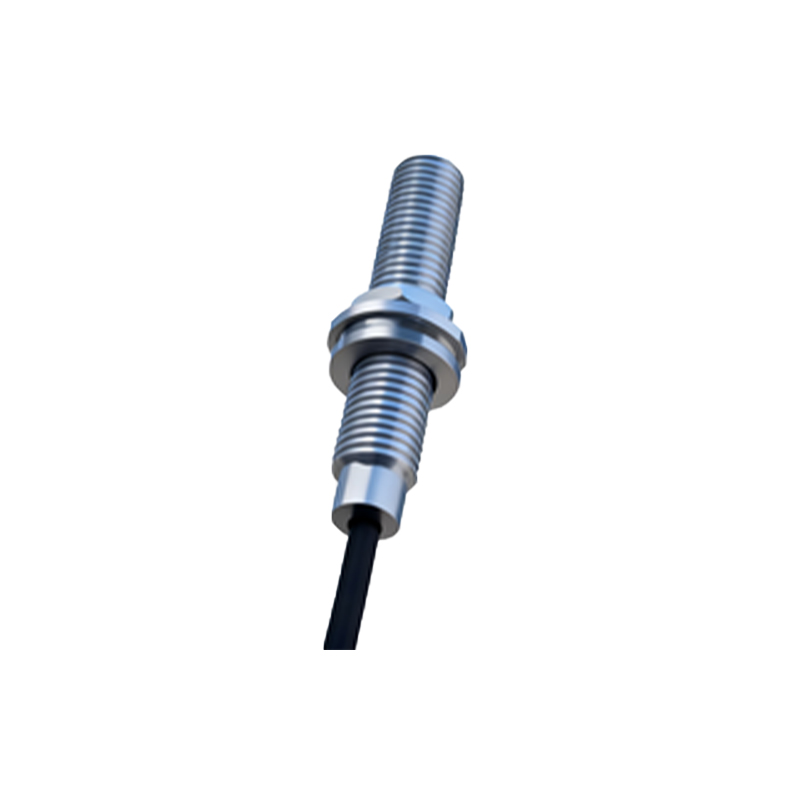
Deploying proximity sensor alarm systems offers numerous benefits, including improved safety compliance, increased productivity, and reduced operational costs. They minimize human error by automating detection tasks and provide data for analytics, helping optimize processes over time. However, challenges can arise during implementation. Environmental factors like electromagnetic interference, extreme temperatures, or corrosive substances may affect sensor accuracy. Additionally, selecting the wrong sensor type for an application can lead to false alarms or missed detections. Engineers must conduct thorough site assessments and testing to mitigate these issues. Training personnel on system operation and troubleshooting is also crucial to maximize uptime and ensure swift response to alarms.
Future Trends and Innovations
The future of proximity sensor alarm systems is shaped by ongoing innovations in technology. Smart sensors with IoT connectivity are becoming more prevalent, allowing for remote monitoring and predictive maintenance via cloud-based platforms. These systems can analyze data trends to forecast failures before they occur, reducing unplanned downtime. Advances in miniaturization and energy efficiency are enabling more compact and battery-powered sensors, expanding their use in mobile or remote applications. Furthermore, integration with artificial intelligence (AI) enhances decision-making capabilities, such as distinguishing between different object types or adapting to changing environments. As industries embrace Industry 4.0, these systems will evolve to offer greater interoperability and intelligence, further boosting safety and efficiency.