Understanding Low Temperature Resistant Proximity Sensors
Low temperature resistant proximity sensors are specialized devices designed to operate reliably in extreme cold environments, typically ranging from -40°C to as low as -196°C in some industrial applications. These sensors utilize robust materials and advanced sealing technologies to prevent internal condensation, component brittleness, and signal drift that commonly affect standard sensors in freezing conditions. Key technologies include hermetically sealed housings, temperature-stable electronic components, and specialized lubricants that remain fluid at sub-zero temperatures. Industries such as cryogenics, outdoor automation in polar regions, and cold storage logistics rely on these sensors for precise non-contact detection of objects, ensuring operational continuity and safety where conventional sensors would fail.
Primary Applications and Industry Demand
The demand for low temperature resistant proximity sensors spans multiple sectors where cold environments are integral to operations. In the food and beverage industry, they monitor product movement in freezer warehouses and processing lines, maintaining hygiene and efficiency without mechanical wear. Automotive and aerospace sectors use them in testing facilities for component validation under cryogenic conditions, while oil and gas installations in Arctic regions depend on them for pipeline and valve monitoring. Additionally, scientific research labs employing superconductivity or space simulation chambers utilize these sensors for equipment positioning and safety interlocks, highlighting their critical role in advanced technological workflows.
Key Manufacturers and Suppliers Globally
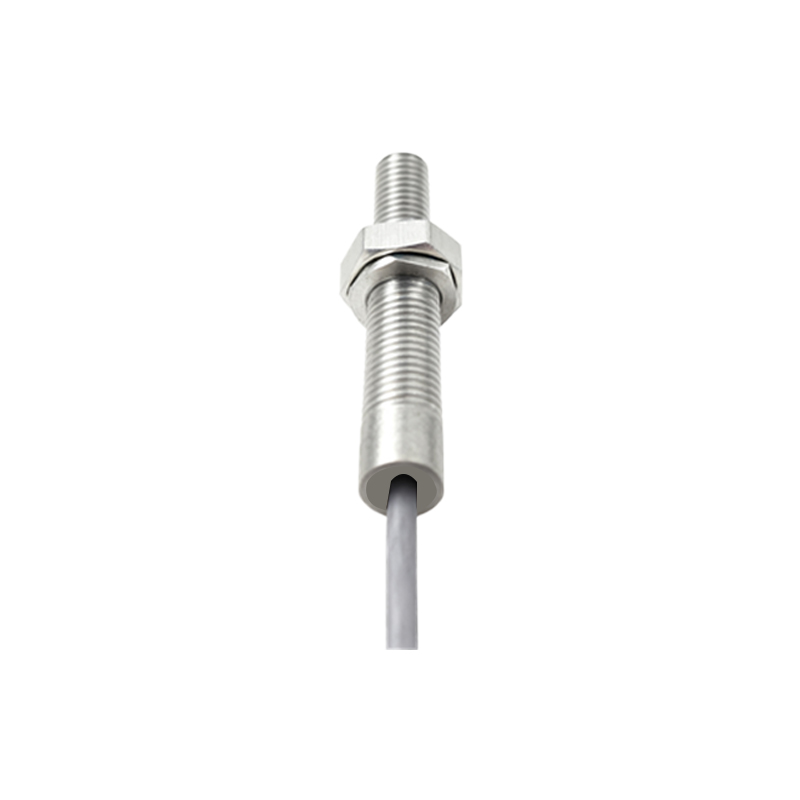
Several leading manufacturers specialize in producing high-quality low temperature resistant proximity sensors. Companies like Pepperl+Fuchs, Siemens, and Balluff offer extensive product lines with certifications for cold environment use, featuring inductive, capacitive, and ultrasonic variants. These suppliers provide sensors with IP67 or higher ratings, stainless steel housings, and extended temperature ranges validated through rigorous testing. Distributors such as RS Components, Digi-Key, and AutomationDirect stock these sensors globally, offering technical support and customization options for specific industrial needs. For specialized applications, firms like Cryomagnetics and Scientific Instruments develop custom sensor solutions tailored to ultra-low temperature research environments.
Selection Criteria for Optimal Performance
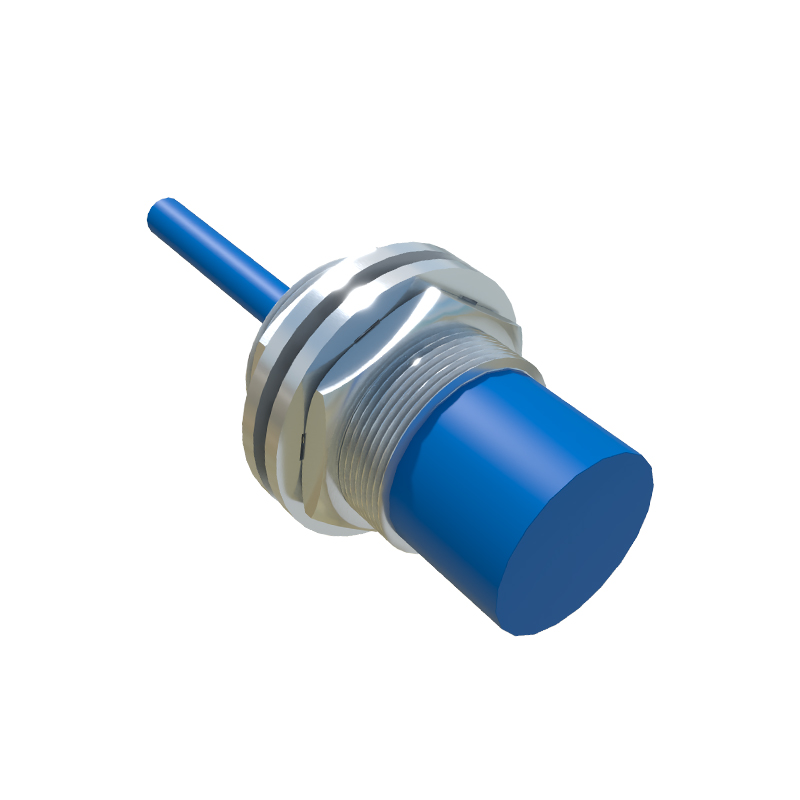
Choosing the right low temperature resistant proximity sensor requires careful evaluation of several factors. First, consider the operational temperature range, ensuring the sensor can handle the minimum expected temperature without performance degradation. Material compatibility is crucial—stainless steel or nickel-plated brass housings resist corrosion and thermal contraction. Output type (e.g., PNP/NPN analog or digital) should match control system requirements, while sensing distance and response time must align with application speed and accuracy needs. Additionally, verify certifications like ATEX for hazardous areas or ISO standards for quality assurance, and assess environmental seals against moisture and ice buildup to guarantee long-term reliability.
Installation and Maintenance Best Practices
Proper installation and maintenance are vital to maximize the lifespan and accuracy of low temperature resistant proximity sensors. During installation, mount sensors securely using vibration-resistant brackets to prevent misalignment from thermal contraction. Ensure wiring uses cold-flexible cables and connectors rated for low temperatures to avoid insulation cracking. Regular maintenance should include visual inspections for ice accumulation or physical damage, along with periodic calibration checks using reference targets in the actual operating environment. For extreme conditions, consider heated enclosures or protective shrouds to mitigate external ice formation, and follow manufacturer guidelines for storage and handling to prevent thermal shock during deployment.
Future Trends and Technological Advancements
The future of low temperature resistant proximity sensors is shaped by innovations aimed at enhancing durability and intelligence. Emerging trends include the integration of IoT capabilities for real-time temperature and performance monitoring via wireless networks, allowing predictive maintenance in remote cold sites. Advances in materials science, such as graphene-based components and self-healing polymers, promise improved resilience to thermal cycling and mechanical stress. Additionally, miniaturization efforts enable sensor deployment in compact cryogenic systems, while energy-efficient designs support sustainable operations in off-grid cold environments. These developments will expand applications in renewable energy sectors like liquid hydrogen storage and next-generation space exploration.