Understanding Proximity Sensor Failures
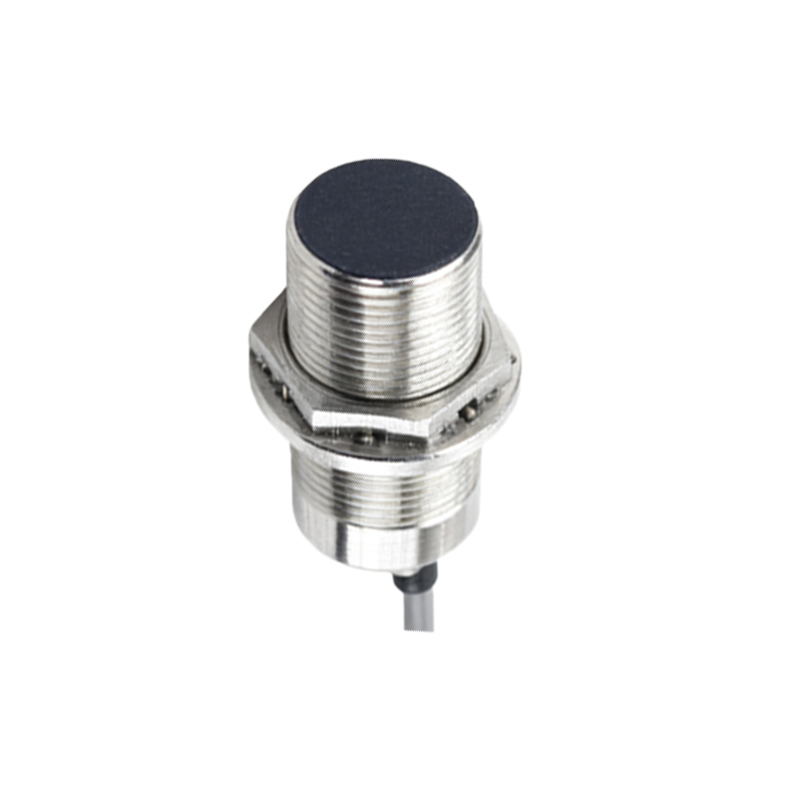
A proximity sensor repair shop is a specialized facility dedicated to diagnosing and rectifying faults in non-contact sensing devices. These sensors, crucial for automation and safety in manufacturing, packaging, and automotive industries, can fail due to various reasons. Common issues include physical damage from impacts or environmental stress, electrical failures like short circuits or component degradation, and signal interference from other electromagnetic sources. Internal contamination from metal shavings, coolants, or dust can also disrupt the sensing field. Understanding the root cause—whether it's a cracked ferrite core in an inductive sensor, a dirty lens in an optical type, or a failing oscillator circuit—is the first critical step performed by skilled technicians in a dedicated repair shop.
The Professional Diagnostic Process
Upon arrival at a reputable proximity sensor repair shop, each unit undergoes a rigorous diagnostic procedure. Technicians begin with a visual inspection for obvious physical damage or contamination. The sensor is then connected to specialized test benches that simulate real-world operating conditions. These benches apply precise voltages and measure current draw, output signal stability (PNP/NPN), and switching frequency. Oscilloscopes are used to analyze the waveform integrity, while target simulators check the sensing distance and repeatability. This systematic approach allows technicians to pinpoint whether the failure lies in the coil assembly, the embedded ASIC (Application-Specific Integrated Circuit), the output transistor, or the housing seal. A detailed diagnostic report is generated before any repair commences.
Core Repair and Calibration Services
The core competency of a professional repair shop lies in its ability to perform component-level repairs. This goes beyond simple cleaning or cable replacement. For inductive sensors, technicians may rewind damaged coils or replace the ferrite core. For capacitive sensors, they might recalibrate the dielectric constant sensing circuitry. Optical sensors often require precise realignment of the emitter and receiver optics or replacement of the LED/phototransistor pair. Crucially, after any hardware repair, the sensor must be meticulously recalibrated. Technicians adjust the sensitivity and hysteresis to meet the original equipment manufacturer's (OEM) specifications, ensuring the sensor triggers at the exact programmed distance with the required repeatability. This step is vital for seamless reintegration into the automated system.
Benefits of Repair vs. Replacement
Choosing a proximity sensor repair shop over outright replacement offers significant advantages, both economically and operationally. Cost savings are typically 40% to 70% compared to purchasing a new OEM sensor, especially for high-end or specialized models. Repair turnaround time is often faster than waiting for a new part to be shipped, minimizing machine downtime and production losses. An expert repair also provides an opportunity for upgrades, such as improving the ingress protection (IP) rating with better seals or reinforcing cables in high-flex applications. Furthermore, repairing sensors supports sustainability goals by reducing electronic waste. For legacy machinery where exact sensor models are discontinued, a skilled repair shop may be the only viable option to keep production lines running.
Selecting the Right Repair Partner
Not all service centers are equal. Selecting the right proximity sensor repair shop requires careful consideration. Look for a shop with certified technicians who have specific training on major brands like Siemens, Omron, Pepperl+Fuchs, or Balluff. They should have a well-equipped lab with advanced diagnostic tools and clean workstations. Inquire about their quality assurance process; a reputable shop will provide a warranty on repairs, typically ranging from 6 to 12 months. Transparency is key—they should offer a free evaluation and a firm quote before starting work. Finally, check their experience with your specific sensor type (inductive, capacitive, ultrasonic, magnetic) and industry application, as this ensures they understand the unique performance demands your operation requires.
Preventive Maintenance and Support
Beyond reactive repairs, a full-service proximity sensor repair shop often provides valuable preventive maintenance and support. They can analyze a batch of failed sensors from your plant to identify recurring failure patterns, suggesting root-cause solutions such as adding protective guards, relocating sensors away from washdown areas, or recommending a more robust sensor model. Many shops offer sensor testing services as part of a planned maintenance schedule, checking performance before a critical failure occurs. They can also provide technical support for installation and troubleshooting, helping to ensure correct mounting, wiring, and shielding practices to prevent future issues. This proactive partnership transforms the repair shop from a fix-it service into a strategic asset for maintaining operational reliability.