Introduction to Proximity Switch Sensors in Side Hole Machines
Proximity switch sensors are critical components in side hole machines, widely used in industrial automation and manufacturing processes. These sensors detect the presence or absence of objects without physical contact, ensuring precise control and safety in operations. In side hole machines, which are specialized equipment for drilling or punching holes on the sides of workpieces, proximity sensors play a vital role in positioning, alignment, and monitoring. They help prevent collisions, optimize workflow, and enhance overall efficiency. Understanding their placement is essential for maintenance, troubleshooting, and maximizing machine performance. This article delves into the specific locations where these sensors are typically installed, based on industry standards and engineering practices.
Common Locations for Proximity Switch Sensors
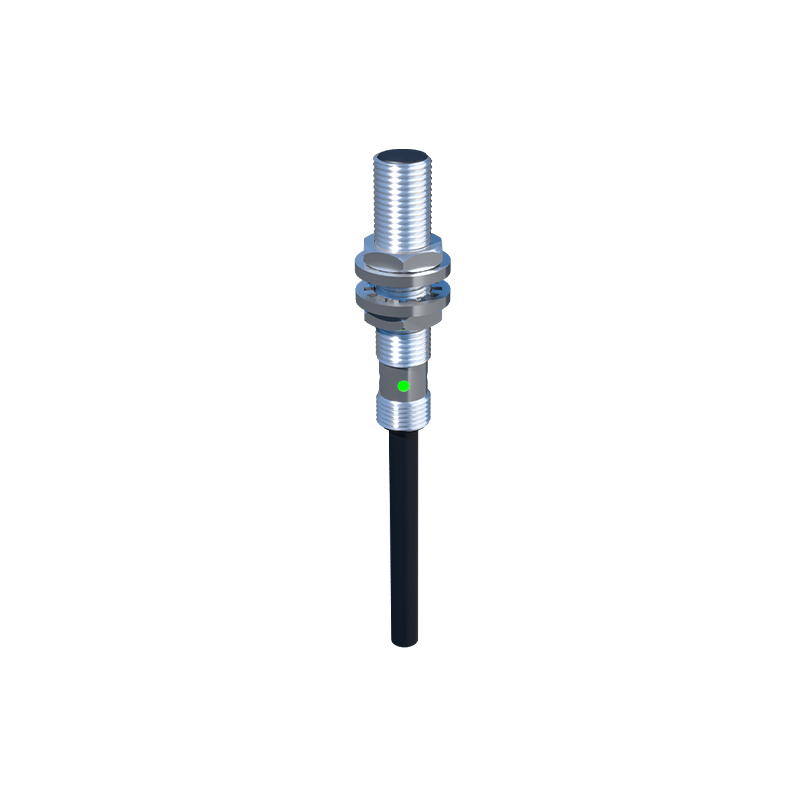
In side hole machines, proximity switch sensors are strategically placed to monitor key mechanical movements and positions. One primary location is near the drilling or punching head assembly. Here, sensors detect the head's vertical or horizontal travel limits, ensuring it stops at predefined points to avoid over-travel and damage. Another common spot is along the workpiece clamping mechanism. Sensors in this area verify that the workpiece is securely held in place before operations begin, preventing misalignment or accidents. Additionally, proximity sensors are often found on the feed or conveyor system that moves workpieces into the machine. They track the position of materials, triggering the next step in the process when an object reaches the correct location. These placements ensure synchronized and safe machine functions.
Sensor Placement for Safety and Precision
Safety and precision are paramount in side hole machine operations, and proximity switch sensors contribute significantly to both. For safety, sensors are installed on protective guards or doors. They detect if a guard is open or a door is ajar, immediately halting machine motion to protect operators from hazards. In terms of precision, sensors are positioned on linear guides or rails that guide the drilling head. By monitoring the head's exact position, they enable accurate hole placement and consistent quality. Some advanced side hole machines also feature sensors on tool changers or spindle units, ensuring tools are correctly engaged and reducing downtime due to errors. Regular inspection of these sensor locations helps maintain optimal performance and compliance with industry safety standards.
Integration with Control Systems
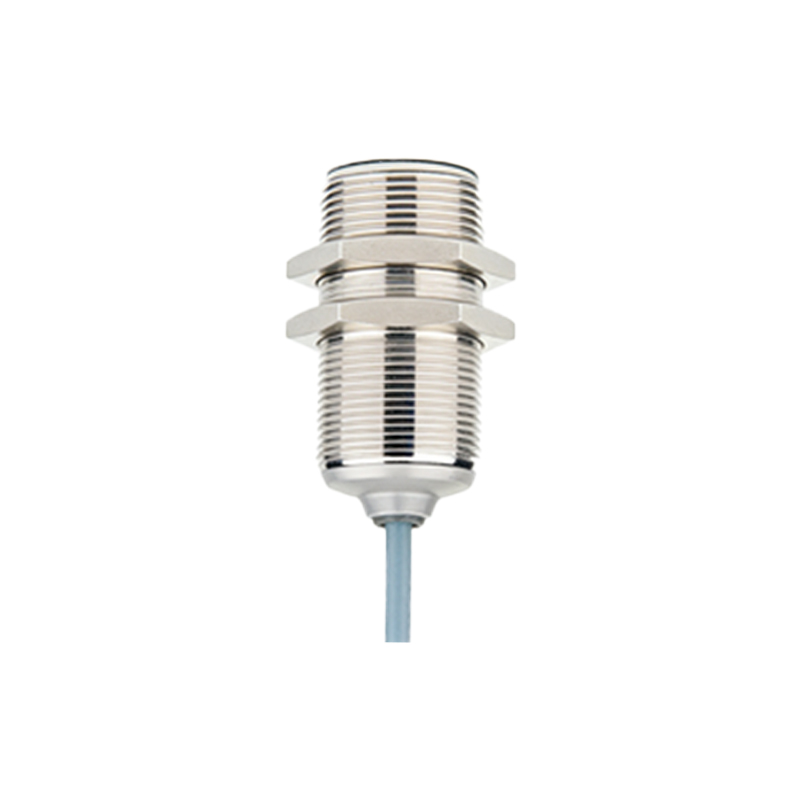
Proximity switch sensors in side hole machines are integrated into the overall control system, typically a programmable logic controller (PLC) or computer numerical control (CNC) unit. The sensors send real-time signals to the control unit, which processes the data to adjust machine actions accordingly. For example, if a sensor detects an obstruction in the feed path, the PLC may pause the conveyor and alert the operator. Wiring and connections for these sensors are usually housed in control cabinets or junction boxes near the machine, with cables routed along cable carriers to prevent wear and tear. Proper integration ensures seamless communication between sensors and other components, enhancing automation and reducing manual intervention.
Maintenance and Troubleshooting Tips
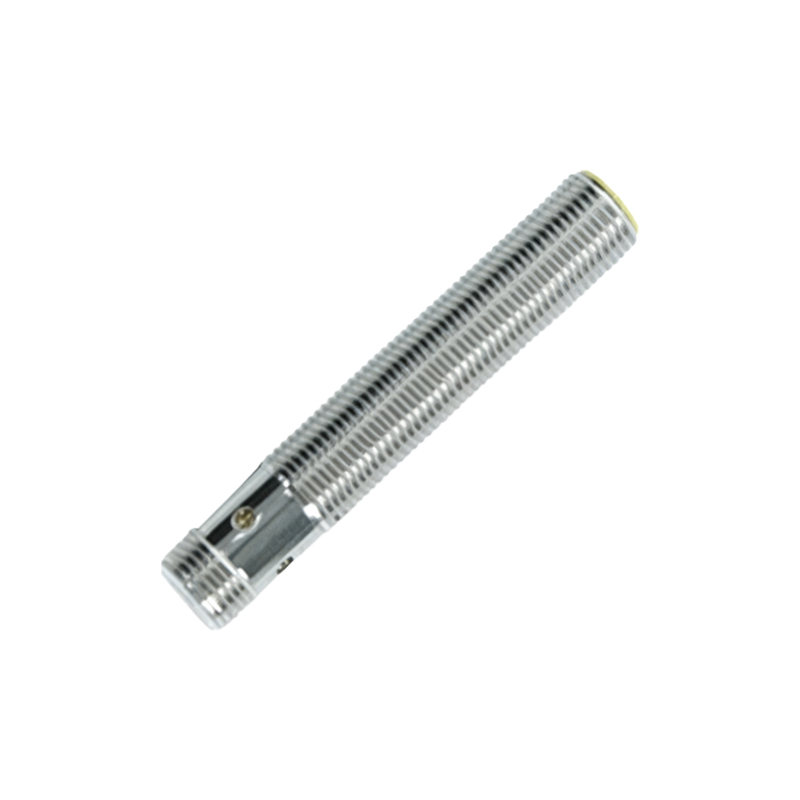
Maintaining proximity switch sensors is crucial for the longevity and reliability of side hole machines. Regularly check sensor mounting brackets for looseness or misalignment, as vibrations during operation can shift positions. Clean sensor faces periodically to remove dust, oil, or debris that might interfere with detection. Use a multimeter or diagnostic tools to test sensor output signals, ensuring they switch correctly when objects are present. If a sensor fails, common issues include wiring faults, power supply problems, or sensor wear. Refer to the machine's manual for specific replacement procedures, and always power down the equipment before servicing. Keeping spare sensors on hand can minimize downtime in industrial settings.
Industry Trends and Future Developments
The role of proximity switch sensors in side hole machines is evolving with technological advancements. Modern sensors are becoming more compact, durable, and intelligent, featuring self-diagnostic capabilities and wireless connectivity. In Industry 4.0 contexts, sensors are increasingly integrated with IoT (Internet of Things) platforms, allowing remote monitoring and predictive maintenance. For side hole machines, this means real-time data analytics can predict sensor failures before they occur, optimizing production schedules. Additionally, new sensor materials and designs are improving resistance to harsh environments, such as high temperatures or coolant exposure. Staying updated on these trends helps engineers and operators leverage sensors for greater efficiency and innovation in manufacturing processes.