Introduction to White Spot Photoelectric Sensors
White spot photoelectric sensors are specialized devices designed to detect the presence, absence, or position of objects by emitting a focused beam of light onto a small, defined area—the "white spot." Unlike standard diffuse sensors that illuminate a broader region, these sensors concentrate their light output, making them ideal for applications requiring high precision. They operate on the principle of light reflection or interruption, converting optical signals into electrical outputs. Commonly used in manufacturing, packaging, and robotics, these sensors enhance accuracy in environments where minute details matter. Their ability to distinguish subtle contrasts, such as a white mark on a dark background, makes them indispensable in quality control and automated assembly lines.
Key Operating Principles and Technology
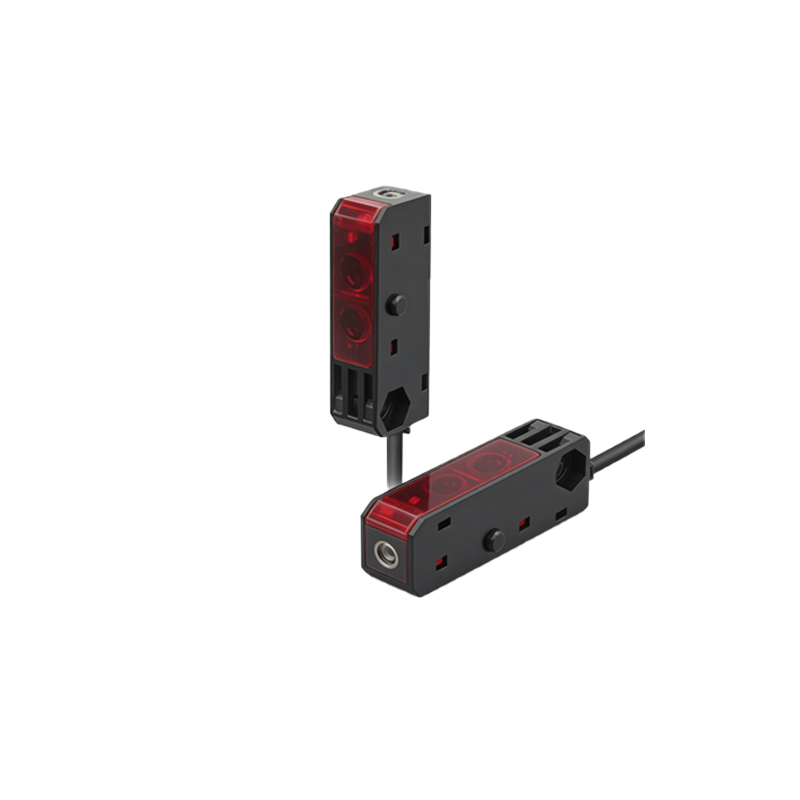
The core functionality of white spot photoelectric sensors relies on advanced optoelectronics. They typically consist of an LED light source, a lens system to focus the beam, and a phototransistor or photodiode receiver. The sensor emits a concentrated light beam, often in the visible or infrared spectrum, which creates a small, bright spot on the target surface. When an object enters this spot, it reflects or blocks the light, triggering a change in the receiver's output. This response is processed by internal circuitry to generate a digital or analog signal. Many models incorporate background suppression technology, allowing them to ignore distant or irrelevant reflections, thus minimizing false triggers. This precision is achieved through careful calibration of the beam's intensity and focus, ensuring reliable detection even in challenging conditions like varying ambient light or fast-moving objects.
Applications in Industrial Automation
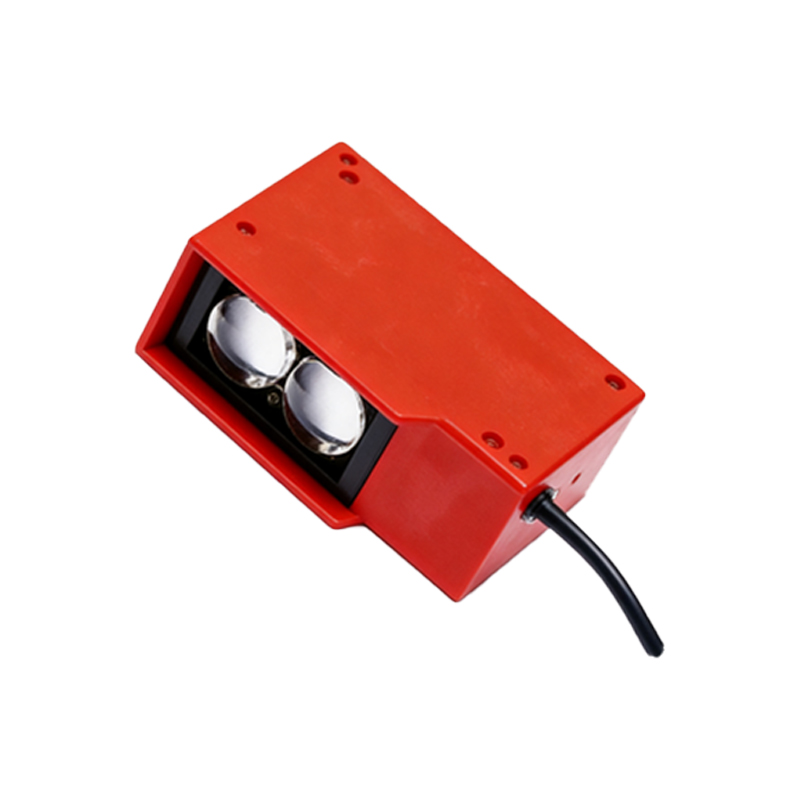
In industrial settings, white spot photoelectric sensors play a critical role in optimizing efficiency and accuracy. They are frequently deployed in conveyor systems to detect labels, tabs, or specific features on products, enabling precise sorting and packaging. For example, in the pharmaceutical industry, these sensors verify the correct placement of pills in blister packs by identifying tiny white indicators. In automotive manufacturing, they assist in aligning components during assembly, such as ensuring screws are properly seated. Additionally, they are used in printing machinery to register marks on paper, ensuring consistent print quality. Their compact size and high-speed response make them suitable for integration into robotic arms, where they guide pick-and-place operations with minimal error. By providing real-time feedback, these sensors contribute to reduced waste, improved throughput, and enhanced safety in automated processes.
Advantages Over Other Sensor Types
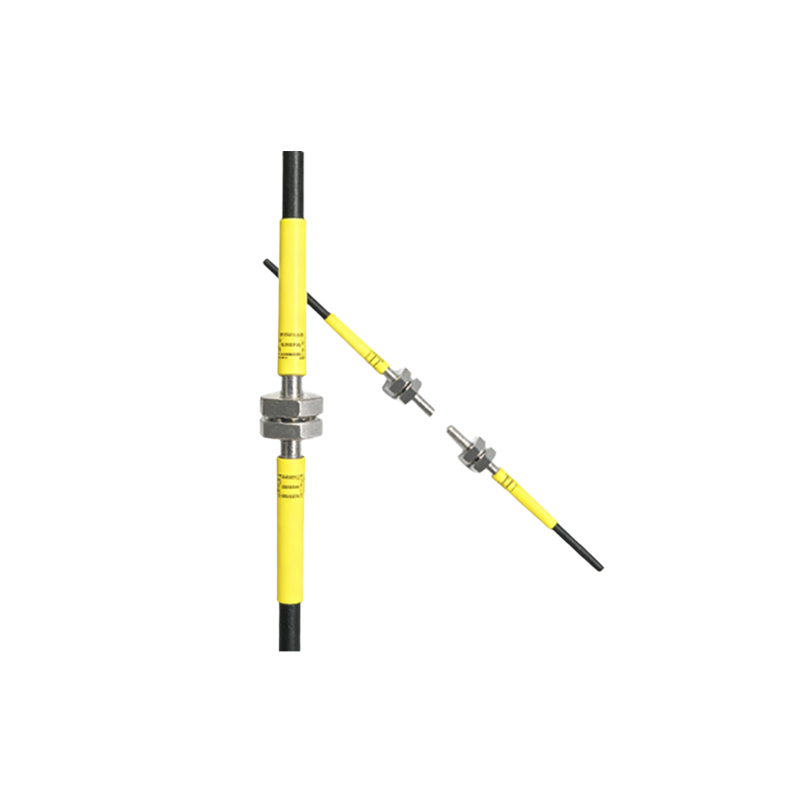
Compared to other photoelectric sensors, such as diffuse or through-beam models, white spot variants offer distinct benefits. Their focused beam reduces the risk of interference from surrounding objects, leading to higher reliability in cluttered environments. The small detection area allows for precise targeting, which is essential when dealing with miniature parts or fine details. Moreover, they often exhibit better performance in detecting low-contrast objects, like a light-colored mark on a slightly darker surface, thanks to their optimized light intensity. Many white spot sensors also feature adjustable sensitivity and teach-in functions, enabling customization for specific tasks without hardware changes. While they may have a shorter effective range than some alternatives, their accuracy in close-quarters applications makes them a preferred choice for industries prioritizing detail-oriented automation.
Selection and Installation Considerations
Choosing the right white spot photoelectric sensor requires careful evaluation of several factors. Key parameters include sensing distance, spot size, response time, and environmental durability. For instance, in dusty or humid areas, sensors with IP67-rated enclosures are recommended to prevent damage. The light source color—red, green, or infrared—should match the application's contrast needs; green light, for example, is often used for detecting white marks due to its high visibility. During installation, proper alignment is crucial to ensure the beam hits the target accurately. Mounting brackets and adjustable housings can aid in fine-tuning the position. Regular maintenance, such as cleaning lenses and checking connections, helps sustain long-term performance. It's also important to consider the output type (e.g., NPN or PNP) to ensure compatibility with existing control systems, avoiding integration issues.
Future Trends and Innovations
The evolution of white spot photoelectric sensors is driven by trends toward smarter and more interconnected industrial systems. Emerging technologies like IoT integration allow these sensors to transmit data directly to cloud platforms, enabling predictive maintenance and real-time analytics. Advances in miniaturization are leading to even smaller sensors with enhanced capabilities, suitable for micro-assembly applications. Additionally, improvements in LED efficiency and lens design are extending their operational life and reducing power consumption. Some newer models incorporate AI algorithms to adapt to changing conditions autonomously, such as adjusting sensitivity based on ambient light fluctuations. As industries embrace Industry 4.0, these sensors will likely become more versatile, supporting complex tasks in fields like electronics manufacturing and logistics, where precision and data-driven insights are paramount.