Understanding Capacitive Proximity Sensors
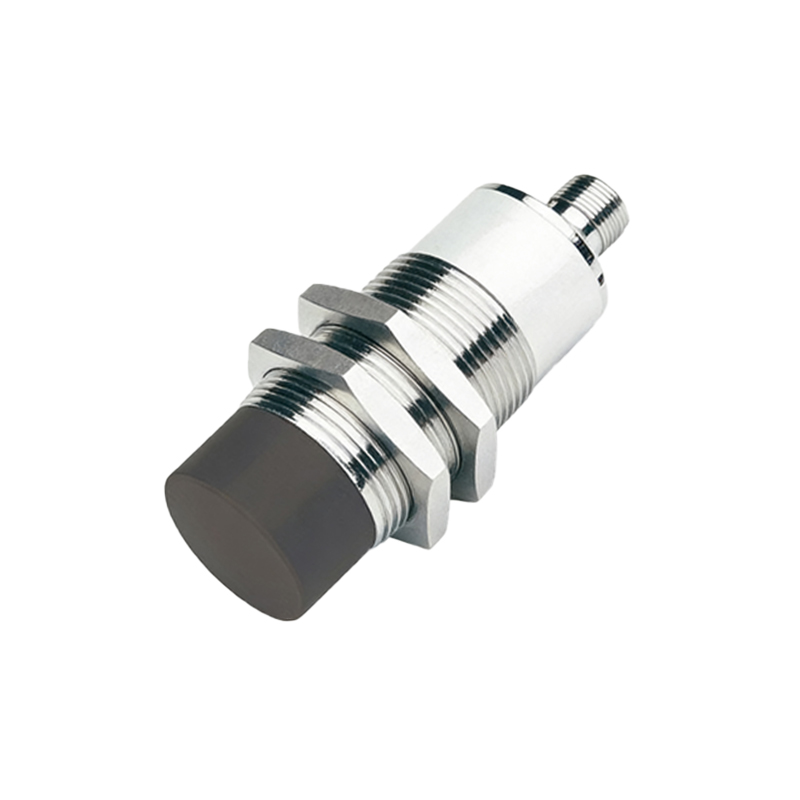
Capacitive proximity sensors are versatile electronic devices designed to detect both metallic and non-metallic objects without physical contact. They operate based on the principle of capacitance change, where the sensor generates an electrostatic field. When an object enters this field, it alters the capacitance, triggering the sensor's output. These sensors are widely used in industries such as packaging, food processing, and automotive manufacturing due to their ability to sense materials like plastics, liquids, and powders. Their non-contact nature ensures minimal wear and tear, making them ideal for harsh environments where durability is critical.
Leading Global Suppliers in the Market
The market for capacitive proximity sensors is dominated by several key suppliers known for innovation and reliability. Companies like Siemens, Omron, Pepperl+Fuchs, and Balluff are prominent players, offering a range of sensors with advanced features such as high sensitivity, temperature resistance, and compact designs. Siemens provides robust sensors for industrial automation, while Omron focuses on precision in applications like robotics. Pepperl+Fuchs excels in explosion-proof models for hazardous areas, and Balluff is recognized for its customizable solutions. These suppliers maintain global distribution networks, ensuring timely delivery and technical support for clients worldwide.
Factors to Consider When Choosing a Supplier
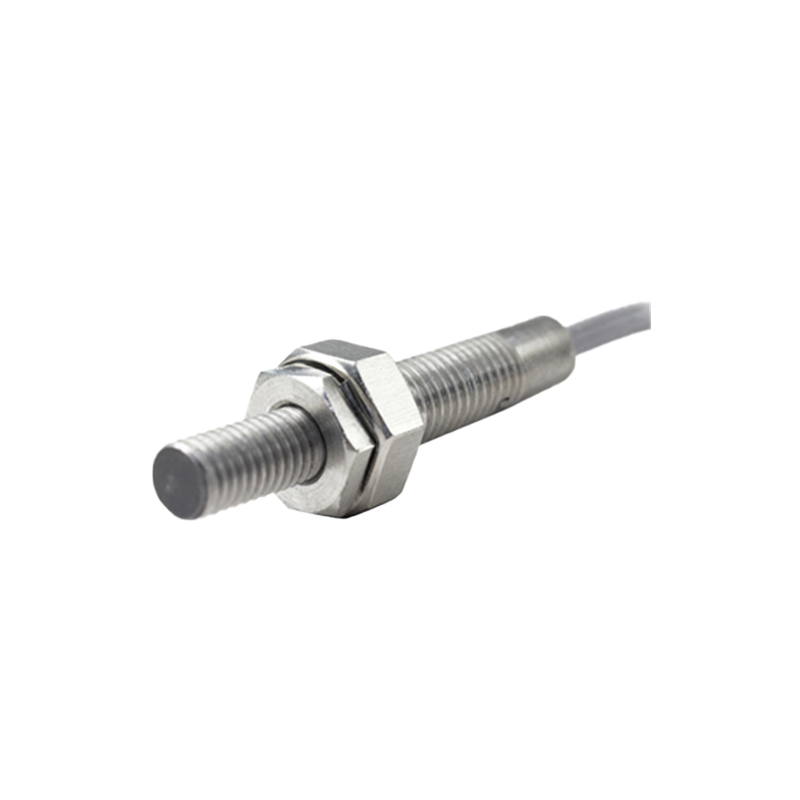
Selecting the right supplier for capacitive proximity sensors involves evaluating multiple criteria. First, assess the product quality and compliance with international standards like IEC 60947-5-2, which ensures safety and performance. Second, consider the supplier's technical expertise and ability to provide application-specific solutions, such as sensors for wet or dusty conditions. Third, review the supply chain reliability, including lead times and after-sales service. Cost-effectiveness is also crucial, but it should not compromise durability. Additionally, check for certifications like ISO 9001, which indicate a commitment to quality management systems.
Technological Advancements and Trends
Recent advancements in capacitive proximity sensor technology have enhanced their functionality and integration capabilities. Modern sensors now feature IoT connectivity, allowing real-time monitoring and data analytics for predictive maintenance. Miniaturization has led to smaller sensor sizes without sacrificing range, enabling use in tight spaces. Improved materials, such as corrosion-resistant housings, extend lifespan in aggressive environments. Furthermore, smart sensors with self-diagnostic functions reduce downtime by alerting users to potential issues. These trends are driven by Industry 4.0 demands, pushing suppliers to innovate for smarter, more efficient industrial systems.
Applications Across Various Industries
Capacitive proximity sensors find applications in diverse sectors due to their adaptability. In the food and beverage industry, they detect liquid levels in containers or control filling processes without contamination. In automotive assembly lines, they ensure precise positioning of components like glass panels. Pharmaceutical manufacturing relies on them for monitoring packaging materials, while agriculture uses them for grain level sensing in silos. Their ability to operate in extreme temperatures and resist chemicals makes them suitable for outdoor and industrial settings, highlighting their role in improving automation and safety.
Challenges and Solutions in Sourcing
Sourcing capacitive proximity sensors can present challenges, such as supply chain disruptions or compatibility issues with existing systems. To mitigate these, buyers should establish long-term partnerships with reputable suppliers who offer inventory management and customization options. Utilizing digital platforms for procurement can streamline ordering and tracking. It's also advisable to conduct on-site testing with sample units to verify performance before bulk purchases. Engaging with suppliers that provide comprehensive documentation and training ensures smooth integration and reduces operational risks.
Future Outlook for the Supply Industry
The future of capacitive proximity sensor suppliers looks promising, with growth fueled by increasing automation and smart factory initiatives. Demand is expected to rise in emerging markets like Asia-Pacific, where industrialization is accelerating. Suppliers will likely focus on sustainable practices, such as energy-efficient designs and recyclable materials, to meet environmental regulations. Collaboration with AI and machine learning platforms may lead to more autonomous sensors. As competition intensifies, suppliers that prioritize R&D and customer-centric approaches will gain a competitive edge, shaping the next generation of sensing solutions.