Introduction to Proximity Sensor Technology
Proximity sensors represent a cornerstone of modern industrial automation, enabling non-contact detection of objects. These devices operate on various principles, including inductive, capacitive, ultrasonic, and photoelectric sensing. Inductive sensors detect metallic objects, capacitive sensors respond to both metallic and non-metallic materials, while photoelectric sensors use light beams. The core value lies in their ability to provide reliable, wear-free detection in harsh environments, contributing to enhanced safety, efficiency, and process control across manufacturing, automotive, packaging, and material handling sectors. Their evolution is tightly linked to the rise of Industry 4.0 and the Internet of Things (IoT), demanding smarter, more connected, and precise sensing solutions.
Leading Global Manufacturers and Their Specializations
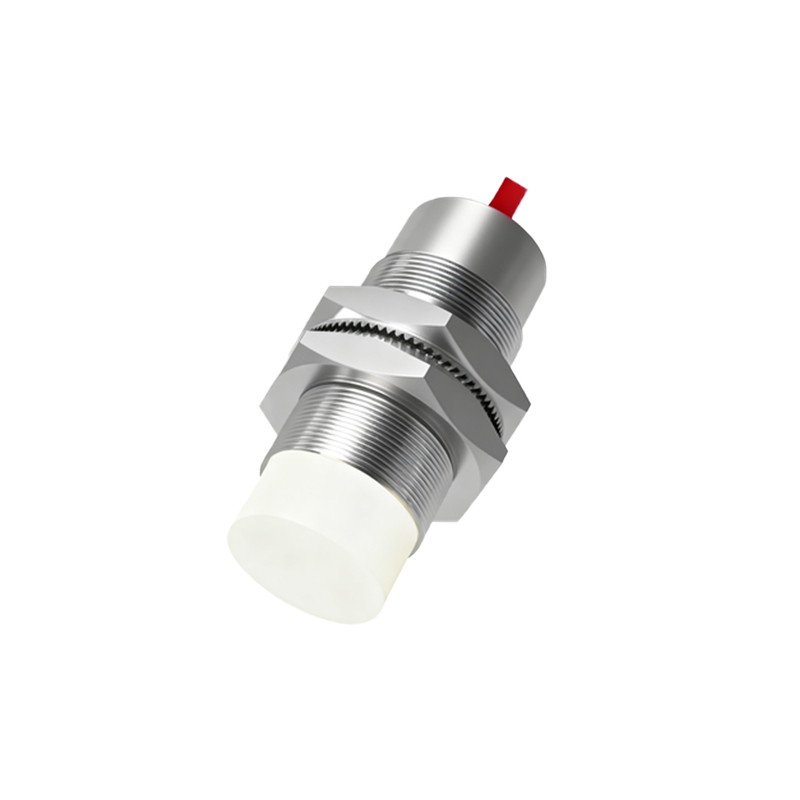
The market is dominated by several established global players, each with distinct strengths. Companies like Sick AG (Germany) and Omron Corporation (Japan) are renowned for their extensive portfolios and innovation in photoelectric and inductive sensors. Pepperl+Fuchs (Germany) holds a strong reputation, particularly in intrinsic safety and ruggedized designs for hazardous areas. Balluff GmbH (Germany) excels in high-precision inductive sensors and innovative connection technologies like IO-Link. Rockwell Automation (USA) and Schneider Electric (France) integrate proximity sensors into broader automation ecosystems. Meanwhile, Keyence Corporation (Japan) is often recognized for its high-performance, specialized sensors with advanced diagnostic capabilities. These leaders invest heavily in R&D to push the limits of sensing range, miniaturization, and environmental resistance.
Core Manufacturing Processes and Quality Control
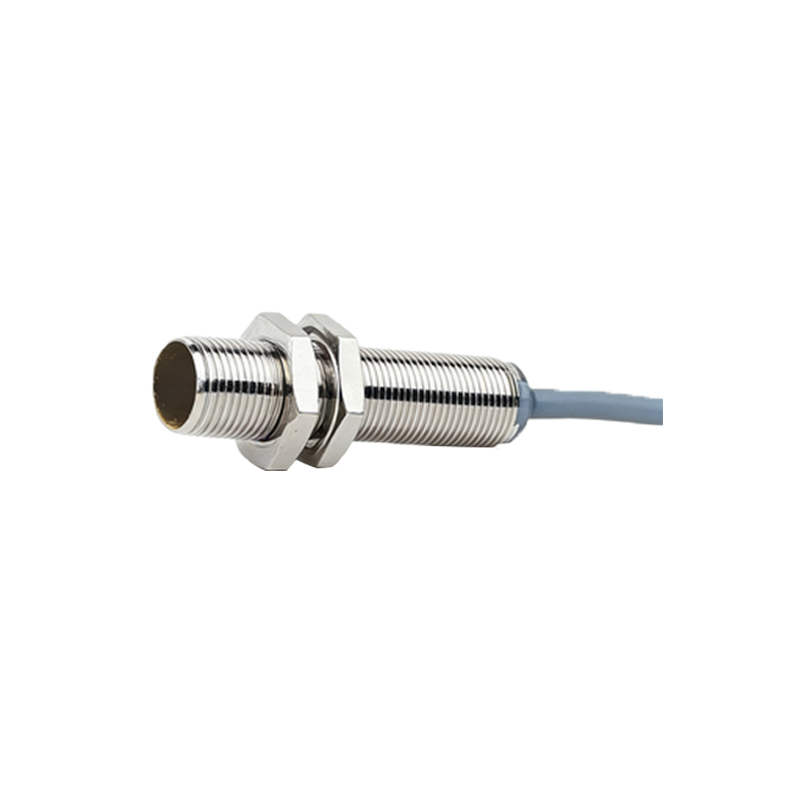
The production of a reliable proximity sensor is a meticulous process. It begins with the design and fabrication of the core sensing element—a coil for inductive types or an oscillator circuit for capacitive types. Precision machining creates the housing, typically from nickel-plated brass, stainless steel, or PBT plastic, ensuring IP67 or higher ingress protection. The assembly process involves carefully placing the electronic components, potting compounds for environmental sealing, and laser welding for hermetic seals. Rigorous quality control is paramount. Every unit undergoes functional testing for switching points, repeat accuracy, and temperature drift. Environmental stress screening, including vibration, shock, and temperature cycling tests, ensures durability. Adherence to international standards like IEC 60947-5-2 is non-negotiable for market acceptance.
Innovation Drivers: Smart Sensors and IIoT Integration
The most significant trend reshaping the industry is the shift from simple binary switches to intelligent sensing nodes. Modern proximity sensors are increasingly equipped with IO-Link communication, a key enabler for the Industrial IoT (IIoT). This standard allows for the bidirectional exchange of detailed data—not just "on/off" status but also parameters like temperature, signal strength, and device health. This facilitates predictive maintenance, remote configuration, and seamless integration into digital twin models. Manufacturers are embedding more intelligence at the edge, reducing the load on central controllers. Furthermore, innovations in materials and design are yielding sensors with longer ranges, immunity to electromagnetic interference (EMI), and the ability to detect specific colors or materials with high precision.
Supply Chain Dynamics and Material Sourcing
A robust and resilient supply chain is critical for sensor manufacturers. Key components include specialized semiconductors, rare-earth magnets for certain types, high-grade plastics, and metals. The global semiconductor shortage highlighted vulnerabilities, prompting leading firms to diversify suppliers and engage in strategic stockpiling. Many top-tier manufacturers maintain vertical integration for core technologies, such as proprietary ASICs (Application-Specific Integrated Circuits), to control quality and performance. Sourcing of conflict-free minerals and adherence to REACH and RoHS environmental directives are also major considerations. Regional manufacturing hubs in Europe, North America, and Asia serve major markets, but there is a growing trend toward localization of production to mitigate logistics risks and meet specific regional standards.
Future Outlook and Emerging Applications
The future of proximity sensor manufacturing is geared towards greater intelligence, miniaturization, and energy efficiency. The demand will surge with the expansion of automated guided vehicles (AGVs), collaborative robots (cobots), and smart factory initiatives. Emerging applications in electric vehicle (EV) battery manufacturing, where precise non-contact sensing is vital, present new opportunities. Furthermore, the development of sensors capable of operating in extreme conditions—such as ultra-high temperatures in foundries or cryogenic temperatures—will open new industrial frontiers. Manufacturers who successfully combine reliable hardware with advanced software capabilities and data analytics services will lead the next wave of industrial sensing innovation.