Introduction to Photoelectric Sensor Technology
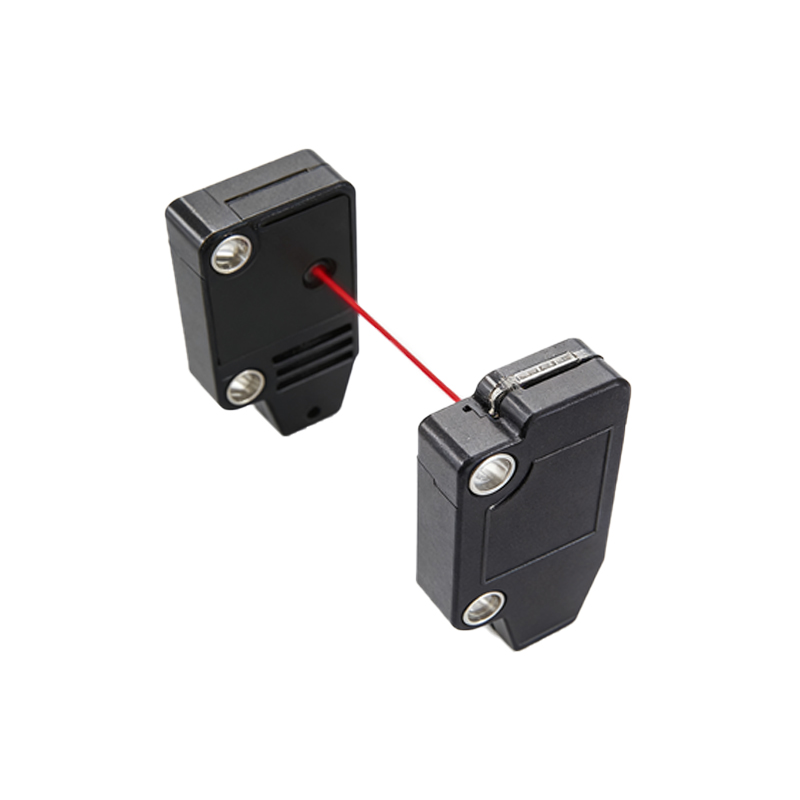
Photoelectric sensors are pivotal components in modern industrial automation, utilizing light beams to detect the presence, absence, or distance of objects. These devices operate by emitting a light source—typically LED, laser, or infrared—and measuring the reflected or interrupted light to trigger an output signal. Their applications span across manufacturing, packaging, material handling, and automotive assembly lines, where precision and reliability are non-negotiable. The technology is categorized into through-beam, retro-reflective, and diffuse reflective types, each suited for specific environmental and operational demands. As industries increasingly adopt smart factory concepts and IoT integration, the demand for advanced photoelectric sensors with features like background suppression, high-speed response, and connectivity options has surged. This growth has fueled competition among sales companies, which not only supply these sensors but also provide critical technical support, customization, and integration services. Understanding the landscape of top sales companies is essential for businesses seeking to optimize their automation investments.
Criteria for Ranking Sales Companies
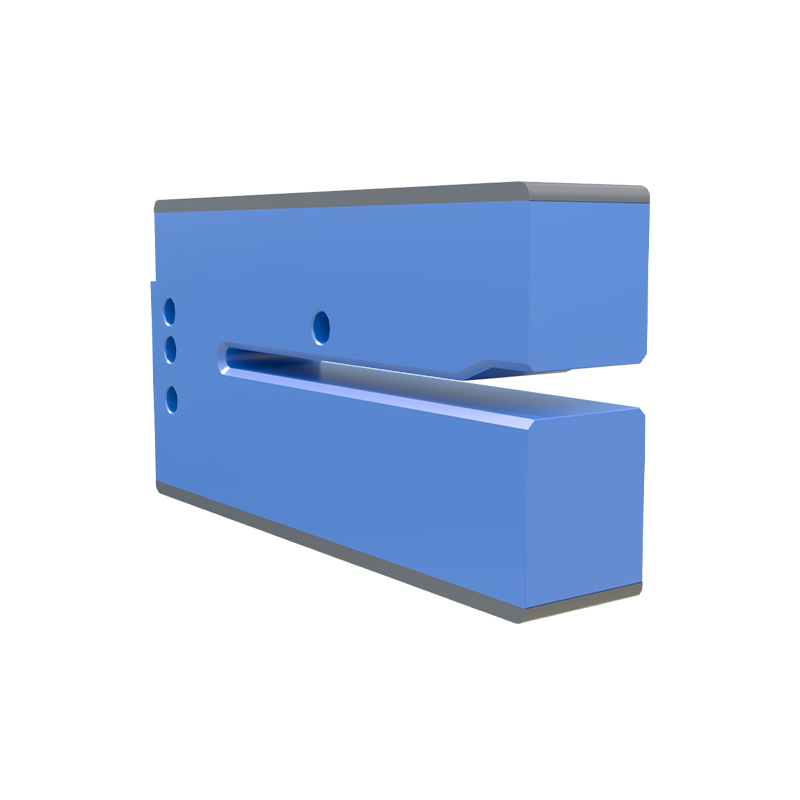
Ranking photoelectric sensor sales companies involves evaluating multiple factors beyond mere revenue. Market share is a primary indicator, reflecting a company's penetration in key regions like North America, Europe, and Asia-Pacific. Product portfolio diversity is another critical aspect; top companies offer a wide range of sensors, including miniature, long-range, and harsh-environment models, alongside complementary products like amplifiers and cables. Technological innovation plays a significant role, with leaders investing in R&D to develop sensors with enhanced accuracy, energy efficiency, and digital interfaces. Customer support and service quality are equally important, as they ensure minimal downtime through training, troubleshooting, and after-sales assistance. Additionally, supply chain reliability and global distribution networks determine a company's ability to meet urgent demands. Sustainability initiatives, such as eco-friendly manufacturing and recycling programs, are increasingly influencing rankings as industries prioritize green practices.
Leading Global Photoelectric Sensor Sales Companies
The global market for photoelectric sensors is dominated by several key players, each with distinct strengths. Omron Corporation, a Japanese multinational, consistently ranks high due to its extensive product lineup, including the E3Z and E3S-C series, known for durability and precision in diverse applications. Siemens AG, based in Germany, leverages its industrial automation expertise to offer integrated sensor solutions, particularly for automotive and pharmaceutical sectors. Rockwell Automation from the United States excels in providing networked sensors compatible with its ControlLogix systems, favored in heavy industries. Keyence Corporation, another Japanese leader, is renowned for high-performance sensors with advanced features like autofocus and color recognition, catering to niche markets. Banner Engineering, a U.S. firm, stands out for its rugged sensors designed for extreme conditions, supported by a robust global distributor network. These companies maintain their positions through continuous innovation, strategic partnerships, and responsive customer service.
Regional Market Leaders and Specialists
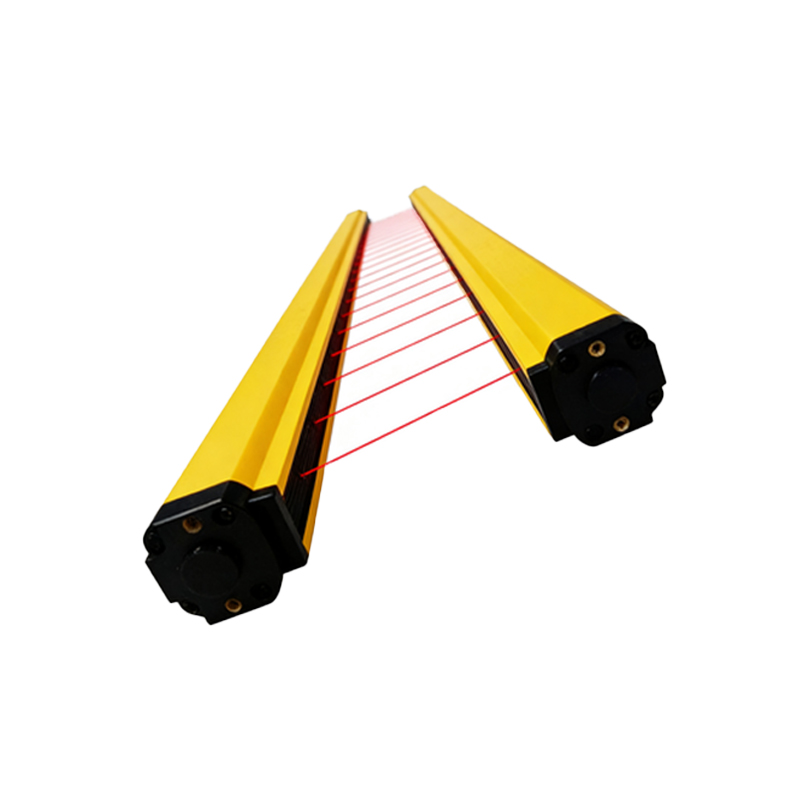
Beyond global giants, regional specialists hold significant sway in local markets. In Europe, companies like Sick AG (Germany) and Baumer Group (Switzerland) are prominent, offering sensors with high immunity to ambient light and dust, ideal for European manufacturing standards. Sick's W4-3 and Baumer's O300 series are widely adopted in food processing and logistics. In North America, Allen-Bradley (under Rockwell) and Telemecanique Sensors (Schneider Electric) dominate, with a focus on easy integration into existing PLC systems. Asia-Pacific sees strong presence from local players like Panasonic (Japan) and Omron, alongside emerging Chinese companies such as Ifm Electronic, which compete on cost-effectiveness and customization for high-volume production lines. These regional leaders often tailor products to meet specific regulatory and operational needs, such as CE or UL certifications, ensuring compliance and performance in their respective markets.
Emerging Trends and Future Outlook
The photoelectric sensor market is evolving rapidly, driven by trends like Industry 4.0 and smart manufacturing. Sales companies are increasingly focusing on IoT-enabled sensors that provide real-time data analytics, predictive maintenance, and cloud connectivity. Miniaturization is another key trend, with demand growing for compact sensors in robotics and electronics assembly. Additionally, the rise of collaborative robots (cobots) has spurred development of safe, low-power sensors that can operate in close proximity to humans. Environmental sustainability is shaping product designs, leading to energy-efficient models with longer lifespans. Looking ahead, companies that invest in AI integration—such as sensors with machine learning capabilities for anomaly detection—are poised to lead the next wave of innovation. The market is expected to grow at a CAGR of around 6-8% over the next five years, with sales companies expanding into emerging economies in Latin America and Africa.
Choosing the Right Sales Partner
Selecting a photoelectric sensor sales company requires a strategic approach aligned with operational goals. Businesses should assess their specific application needs, such as detection range, response time, and environmental factors like temperature or vibration. It's advisable to request product samples or demos to evaluate performance in real-world conditions. Consider the company's technical support offerings, including online resources, training workshops, and local service centers, which can reduce implementation risks. Cost-effectiveness should be balanced with long-term reliability; opting for cheaper sensors may lead to higher maintenance expenses. Partnerships with companies that provide scalable solutions—from single sensors to fully automated lines—ensure future-proof investments. Reading industry reviews and case studies can offer insights into a company's track record. Ultimately, the right partner will not only supply quality products but also contribute to optimizing overall system efficiency and productivity.