Introduction to Proximity Sensors
Proximity sensors are non-contact devices designed to detect the presence or absence of an object within their sensing range. Unlike mechanical limit switches, they operate without physical contact, offering high reliability, long operational life, and resistance to environmental factors. Among the various housing materials used to protect the sensitive internal electronics, cast iron stands out for demanding industrial applications. This robust material provides exceptional durability, making sensors suitable for harsh environments involving heavy machinery, vibration, dust, moisture, and chemical exposure. The fundamental principle of operation remains consistent regardless of the housing; it is the electromagnetic or capacitive field that performs the detection.
Core Operating Principle: Inductive Sensing
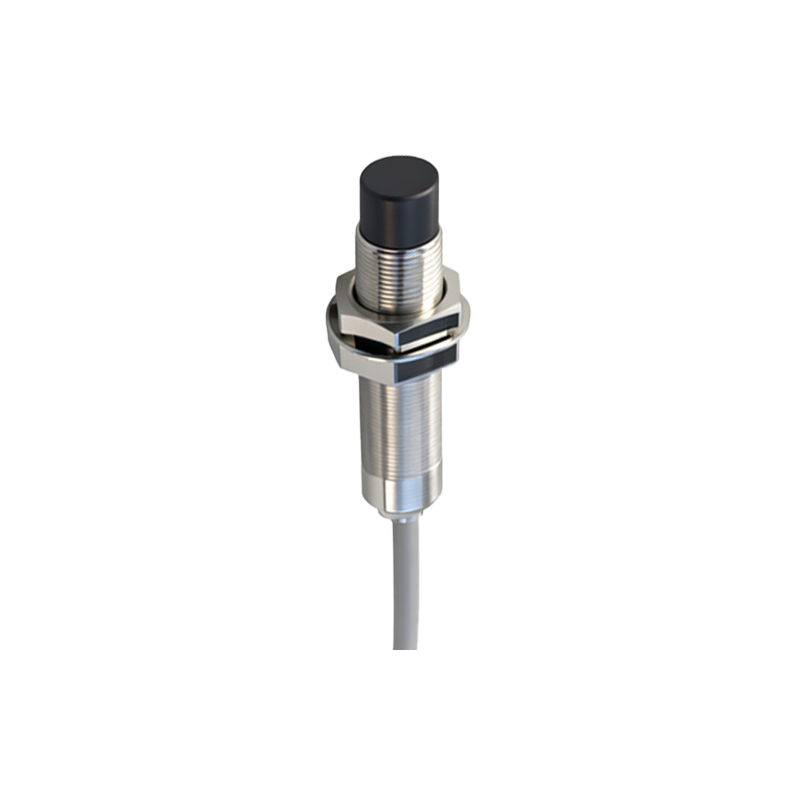
The vast majority of proximity sensors used with metallic targets, especially in cast-iron-housed units, are inductive type. Their operation is based on the principle of electromagnetic induction. The sensor's active face contains a coil that is part of an oscillator circuit, generating a high-frequency alternating electromagnetic field. When a metallic object, such as steel, aluminum, or iron, enters this field, eddy currents are induced on the surface of the target. These eddy currents draw energy from the oscillator, causing a change in its amplitude or a cessation of oscillation. This change is detected by a threshold circuit, which subsequently triggers a solid-state switch (typically an NPN or PNP transistor) to change the output state, signaling the presence of the object.
The Role of the Cast Iron Housing
The cast iron enclosure serves a critical protective function. It shields the oscillator coil, ferrite core, electronic circuitry, and output switching components from physical impact and environmental hazards. Cast iron's high mechanical strength prevents deformation from shocks or crushing forces common in material handling, automotive manufacturing, or metalworking. Furthermore, it offers excellent shielding against external electromagnetic interference (EMI), ensuring stable sensor performance in electrically noisy environments. Many cast iron proximity sensors are rated with high IP (Ingress Protection) codes, such as IP67 or IP69K, indicating complete protection against dust and the ability to withstand high-pressure, high-temperature water jets, which is crucial for washdown areas in food and beverage or pharmaceutical industries.
Key Performance Characteristics
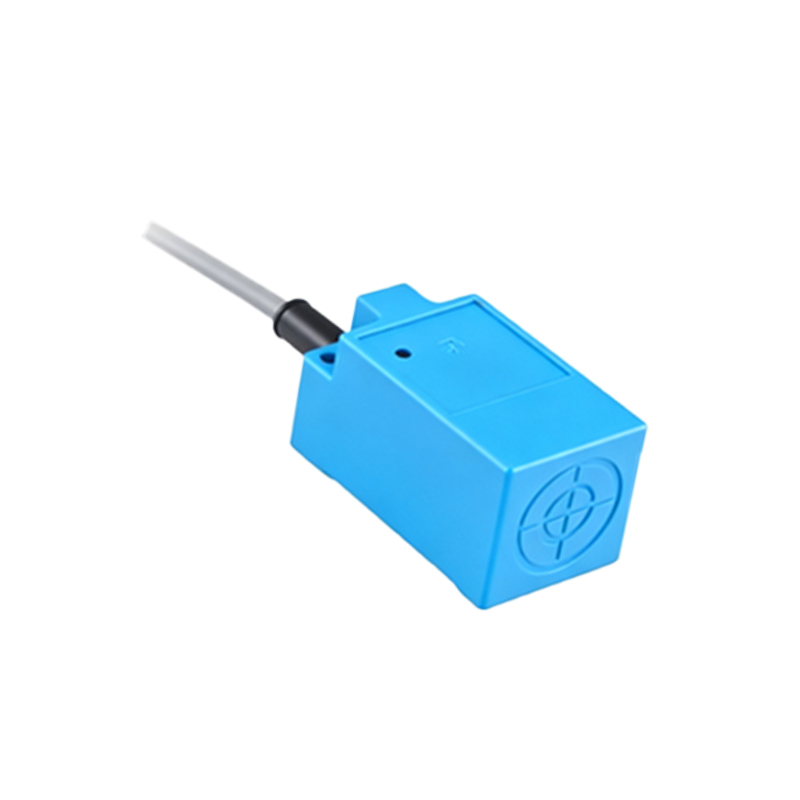
Several technical parameters define the performance of a cast-iron inductive proximity sensor. The sensing range, or nominal range (Sn), is specified for a standard target (usually mild steel). For a typical sensor, this might range from 2mm to 40mm. It is important to note that the sensing distance can vary with different metals; for instance, it is reduced for non-ferrous metals like aluminum or copper. The hysteresis is a built-in feature that prevents output chatter when the target is at the edge of the sensing range; it is the difference between the switch-on and switch-off points. Repeatability, a measure of consistency, is typically very high. Operating frequency defines how many detection cycles per second the sensor can handle, which is vital for high-speed counting or positioning applications.
Output Configurations and Wiring
These sensors provide a digital output, signaling either "target present" or "target absent." The most common output types are DC 3-wire configurations: NPN (sinking) and PNP (sourcing). The choice depends on the control system's input module requirements (e.g., PLC). A two-wire AC/DC version also exists, simplifying wiring but requiring a minimum load current to operate. The robust cast iron housing includes a conduit entry or integral cable with a rugged gland, ensuring a secure and sealed electrical connection. Proper shielding of the cable is essential in environments with strong EMI to prevent false triggering.
Application Examples in Industry
Cast-iron-housed proximity sensors are ubiquitous in heavy-duty and harsh-condition applications. In automotive assembly lines, they detect the position of engine blocks, chassis components, or robotic end-effectors. In metal stamping and machining centers, they provide precise position feedback for tool changers, pallet clamps, and part ejection systems. In bulk material handling, such as mining or aggregate processing, they monitor the position of conveyor gates, bucket elevators, and crusher jaws. Their resilience makes them ideal for outdoor use in forestry equipment, agricultural machinery, and railroad systems, where they endure temperature extremes, vibration, and precipitation.
Installation and Maintenance Considerations
Correct installation is paramount for reliable operation. The sensor must be mounted securely to minimize vibration effects. A minimum clearance around the sensing face is required to prevent interference from the surrounding metal mounting structure (flush-mountable sensors are designed to overcome this). The target should approach the sensor perpendicularly for maximum range and accuracy. While cast iron sensors are virtually maintenance-free due to their non-contact nature,