In the rapidly evolving landscape of industrial automation, proximity sensors stand as silent sentinels, enabling seamless and intelligent operations. These devices, which detect the presence or absence of an object without physical contact, are fundamental components in manufacturing, robotics, logistics, and countless other sectors. Their ability to provide precise, reliable data in real-time forms the backbone of automated systems, driving efficiency, enhancing safety, and reducing operational costs.
Unlike traditional mechanical switches, automation proximity sensors operate on various principles, each suited to specific applications and environmental conditions. The most common types include inductive, capacitive, ultrasonic, and photoelectric sensors. Inductive sensors are workhorses in metal detection, generating an electromagnetic field to sense ferrous and non-ferrous metals. They are exceptionally robust, immune to environmental factors like dust or oil, making them ideal for harsh manufacturing environments such as automotive assembly lines or metal stamping presses.
Capacitive sensors, on the other hand, can detect a wider range of materials, including liquids, plastics, and wood, by measuring changes in capacitance. This versatility finds applications in level detection for silos, presence sensing of non-metallic objects on conveyor belts, or even touch-sensitive interfaces. Ultrasonic sensors use sound waves to measure distance and detect objects, excelling in challenging conditions where target color, transparency, or material composition might confuse other sensor types. They are commonly used in parking assistance systems, bulk material level monitoring, and robotic bin-picking.
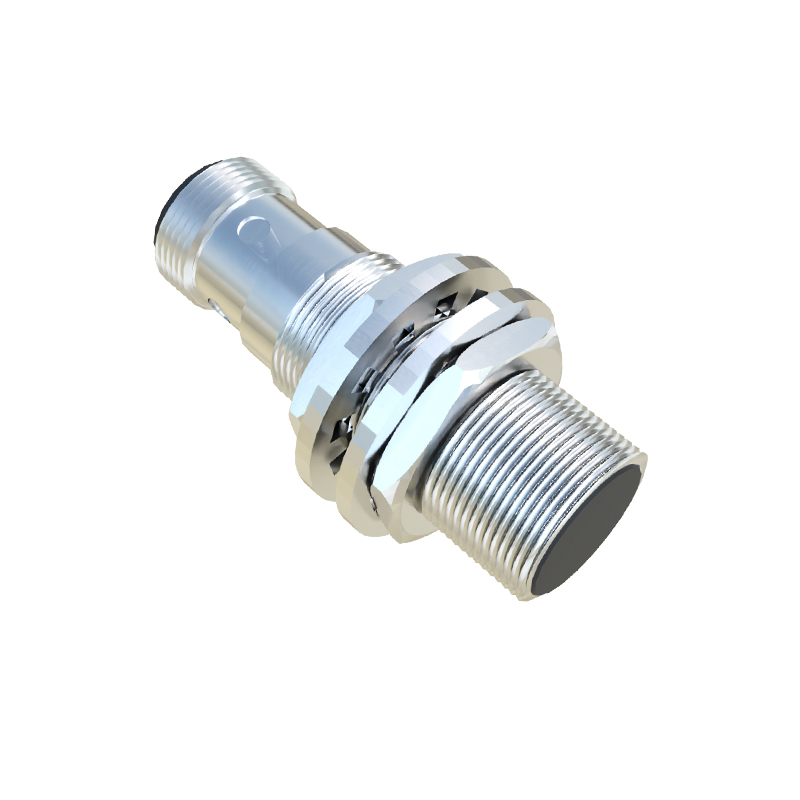
Photoelectric sensors, utilizing light beams, offer the longest sensing ranges and high precision. Through-beam, retro-reflective, and diffuse reflection models provide solutions for object detection, counting, and positioning across vast distances, such as in packaging machinery, warehouse door safety curtains, or automated guided vehicles (AGVs). The choice of sensor type is a critical engineering decision, balancing factors like sensing range, target material, response speed, environmental robustness, and cost.
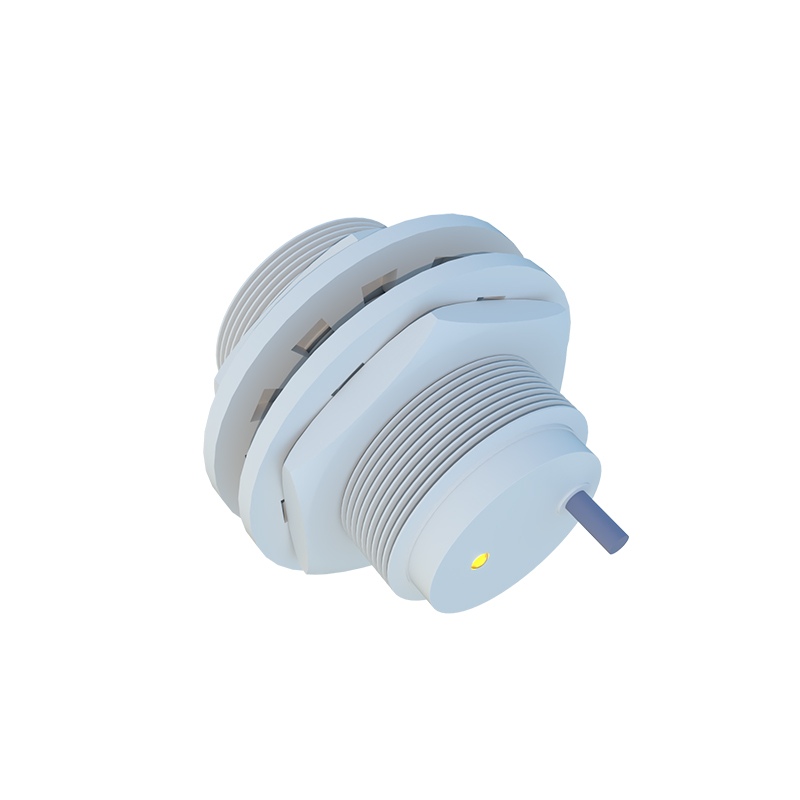
The integration of these sensors into automated systems unlocks profound benefits. Primarily, they enable precise control and coordination. In a robotic welding cell, for instance, inductive sensors confirm the correct positioning of a metal component before the weld cycle begins, preventing costly errors and rework. On a high-speed bottling line, photoelectric sensors count and track bottles, ensuring proper filling and capping sequences. This precision directly translates to higher product quality, reduced waste, and optimized production throughput.
Safety is another paramount contribution. Proximity sensors are integral to safety interlock systems. Light curtains, composed of arrays of photoelectric sensors, create invisible barriers around dangerous machinery. If a beam is broken by a worker's hand, the system immediately halts the machine, preventing accidents. Similarly, sensors on elevator doors prevent closure when an obstacle is detected. This non-contact nature of sensing eliminates wear and tear associated with mechanical limit switches, leading to higher reliability and lower maintenance demands.
The advent of Industry 4.0 and the Industrial Internet of Things (IIoT) is further elevating the role of proximity sensors. Modern "smart" sensors come equipped with IO-Link or other industrial communication protocols. This allows for not just binary "on/off" signals but the transmission of rich parametric data—such as sensor health, temperature, or signal strength—back to a central control system. Predictive maintenance becomes possible; a controller can alert technicians to a sensor whose performance is drifting before it fails, avoiding unplanned downtime. Furthermore, these sensors can be quickly reconfigured remotely, reducing changeover times in flexible manufacturing setups.
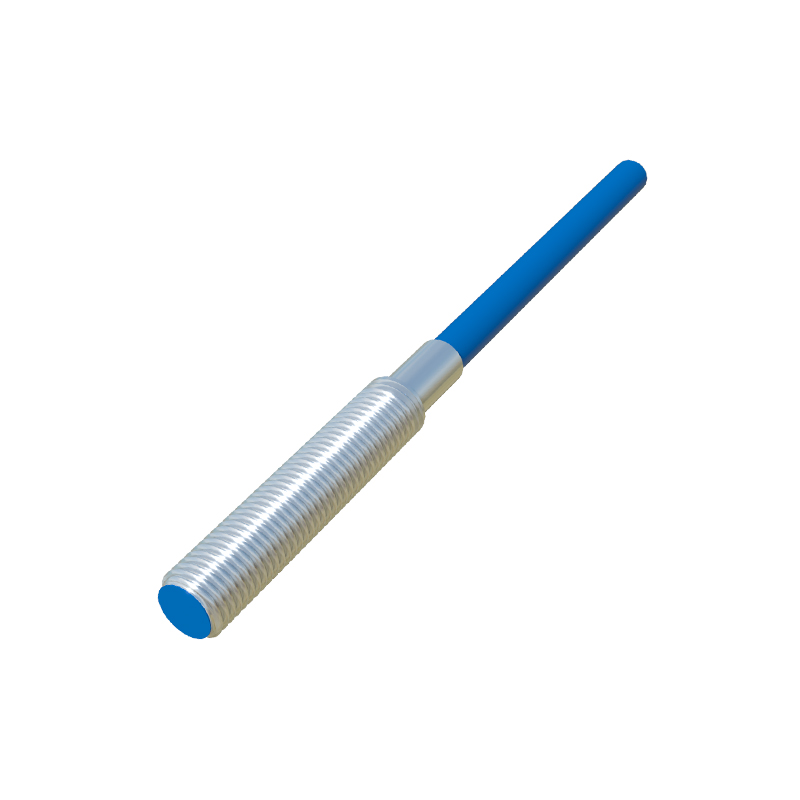
Despite their sophistication, successful deployment requires careful consideration. Engineers must account for the sensor's operating range, its immunity to electrical noise (especially for inductive sensors), and potential interference from ambient light or sound. The mounting position and the nature of the target object—its size, shape, and material—are also crucial for consistent performance. Regular calibration and adherence to manufacturer specifications ensure long-term accuracy.
From the hum of a factory floor to the precision of surgical robots, automation proximity sensors are indispensable. They provide the essential "sense of touch" to machines, transforming raw mechanical motion into intelligent, responsive, and safe automation. As technology advances, with developments in miniaturization, energy efficiency, and integrated intelligence, these sensors will continue to be pivotal in shaping smarter, more adaptive, and more productive industrial ecosystems, quietly driving progress one detection at a time.