Proximity sensors are ubiquitous in modern industrial automation and consumer electronics, silently performing critical tasks that enhance safety, efficiency, and user experience. These non-contact devices detect the presence or absence of an object within a defined range without physical contact. This article explores several practical application cases across different industries, highlighting the versatility and reliability of general-purpose proximity sensors.
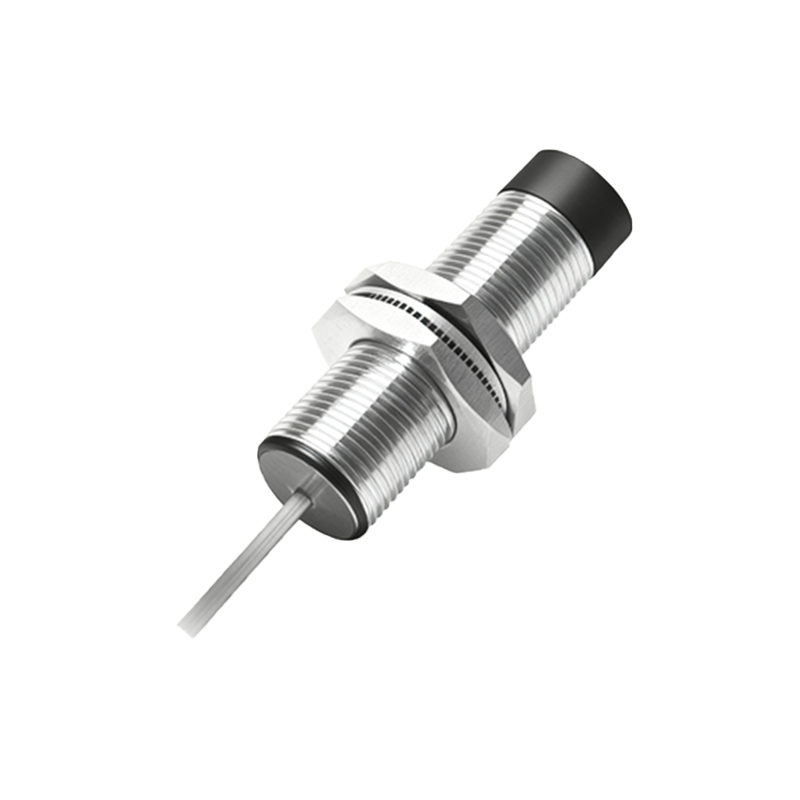
In the automotive manufacturing sector, proximity sensors are indispensable on assembly lines. They are used for precise positioning of robotic arms during welding and painting processes. For instance, inductive proximity sensors reliably detect metal components like engine blocks or chassis frames, ensuring the robotic tools are correctly aligned before an operation begins. This prevents costly collisions and guarantees consistent weld quality. Furthermore, on automated guided vehicles (AGVs) within factories, these sensors provide collision avoidance, allowing the vehicles to navigate safely around obstacles and personnel.
The packaging industry heavily relies on proximity sensors for counting and sorting applications. On high-speed bottling lines, capacitive or photoelectric sensors detect the passage of glass, plastic, or metal containers. They provide accurate count data for inventory control and trigger sorting mechanisms to divert incorrectly oriented or flawed products. In food packaging, sensors verify the presence of a lid on a container before it proceeds to the sealing stage, ensuring product integrity and compliance with safety standards.
Material handling and logistics present another major area of application. In warehouse automation, proximity sensors are integrated into conveyor systems to track parcel position. They initiate and halt conveyor belts at precise moments to facilitate merging, sorting, or loading operations. Inductive sensors are often used to detect metal pallets, while photoelectric sensors manage cardboard boxes. This automation streamlines workflow, minimizes manual intervention, and drastically reduces parcel handling errors.
Consumer electronics offer everyday examples of proximity sensor utility. In smartphones, an infrared or capacitive proximity sensor detects when the phone is held close to the user's ear during a call. It automatically turns off the touchscreen display to prevent accidental button presses and conserves battery power. Similarly, in automatic faucets and soap dispensers found in public restrooms, an infrared sensor detects a user's hands, triggering the water flow or soap release. This promotes hygiene and reduces water waste.
Industrial safety systems integrate proximity sensors as vital components. On large machinery like press brakes, stamping presses, or robotic cells, safety-rated proximity sensors create perimeter guarding systems. If a person or object breaches a predefined safe zone, the sensor sends an immediate signal to halt the machine, preventing potential injuries. Light curtains, which are arrays of photoelectric sensors, perform a similar function by creating an invisible protective screen around hazardous areas.
Even in the realm of agriculture and building management, these sensors find innovative uses. In automated farming equipment, they help in guidance systems to maintain straight planting rows. Within buildings, they are used for occupancy detection in rooms to control lighting and HVAC systems, leading to significant energy savings. For example, ultrasonic sensors can detect movement in a conference room and keep the lights on, turning them off after a period of inactivity.
The selection of the appropriate sensor type—inductive for metals, capacitive for non-metals and liquids, photoelectric for long-range detection, or ultrasonic for challenging environments—is crucial for each case. Factors like sensing distance, environmental conditions (dust, moisture), response time, and output type (PNP/NPN) must be carefully considered during integration.
In conclusion, from streamlining complex factory automation to enabling simple conveniences in daily life, general proximity sensors are foundational elements of modern technology. Their ability to provide reliable, non-contact detection makes them a key enabler for efficiency, quality control, safety, and smart functionality across an ever-expanding range of applications. As industries evolve towards greater connectivity and intelligence, the role of these robust and adaptable sensors will only continue to grow.