In the seamless interaction between humans and technology, proximity sensor chips play a crucial yet often unnoticed role. These tiny, sophisticated components are the silent sentinels that enable devices to perceive their immediate surroundings without physical contact. From the smartphone that dims its screen when held to your ear to the faucet that turns on with a wave of a hand, proximity sensing has become an integral part of the user experience, driving convenience, efficiency, and new forms of interaction.
At its core, a proximity sensor chip is an integrated circuit designed to detect the presence or absence of an object within a defined range. It does this by emitting a field or beam of electromagnetic radiation, often infrared (IR) light, and then looking for changes in the return signal. The chip itself contains the essential elements: an emitter (like an IR LED), a receiver (like a photodiode or phototransistor), and the signal processing circuitry that interprets the data. This miniaturized system-on-a-chip approach allows for reliable detection in compact form factors.
The underlying technology varies, leading to different types of proximity sensors. Infrared (IR) proximity sensors are among the most common. They work by emitting an IR beam and measuring the intensity of the light reflected back. Ultrasonic sensors use sound waves beyond human hearing, calculating distance based on the time-of-flight of the echo. Capacitive sensors detect changes in an electrical field caused by a conductive or dielectric object approaching. Each technology has its strengths—IR is cost-effective for short-range detection, ultrasonic is effective for longer ranges and various materials, while capacitive is excellent for detecting touch or very close proximity without contact.
The applications for these chips are vast and growing. In consumer electronics, they are ubiquitous. Smartphones use them to disable the touchscreen during calls, conserving power and preventing accidental inputs. Laptops employ them to detect when a user is present, waking from sleep mode automatically. In the automotive sector, proximity sensors are key to parking assistance systems, blind-spot monitoring, and gesture-controlled infotainment systems. Industrial automation relies heavily on them for object counting, machine safety guards, and robotic positioning. Even in smart home devices, they enable touchless light switches, automatic soap dispensers, and energy-saving features for displays and appliances.
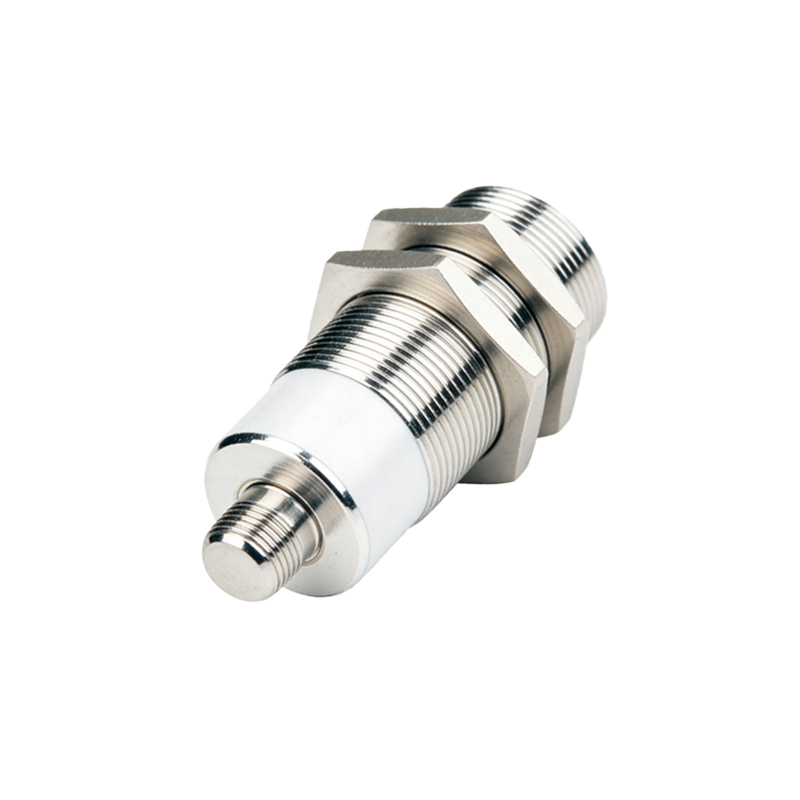
Selecting the right proximity sensor chip for an application involves careful consideration of several parameters. Detection range is primary—whether the need is for a few millimeters or several meters. The required resolution and accuracy determine how precisely the distance or presence must be measured. Environmental factors are critical; ambient light can interfere with optical sensors, while dust or moisture may affect performance. Power consumption is a major concern for battery-operated devices, pushing the development of ultra-low-power chips. Finally, the physical size and integration capability of the chip must align with the product's design constraints.
The evolution of proximity sensor technology is closely tied to advancements in semiconductor manufacturing and system integration. Modern chips are moving towards greater intelligence, incorporating digital signal processors (DSPs) and algorithms directly on-chip to filter noise, compensate for environmental conditions, and provide more stable, calibrated outputs. This trend towards "smarter" sensors reduces the processing burden on the main application processor and simplifies design for engineers.
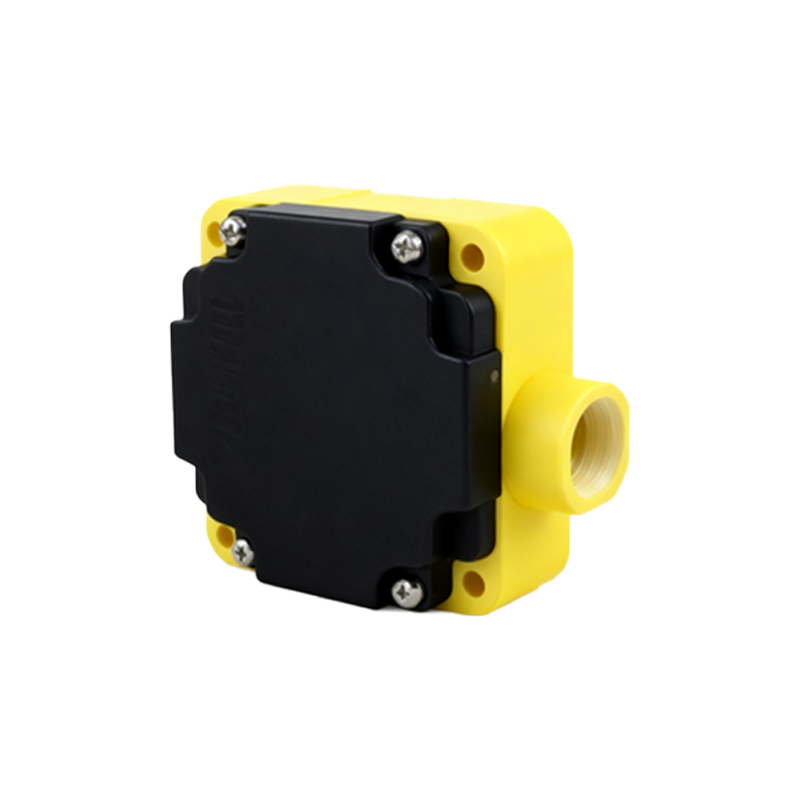
Furthermore, the fusion of proximity sensing with other sensor modalities is creating more contextual awareness. A single module might combine a proximity sensor, an ambient light sensor, and a gesture recognition chip. This allows a device not only to know if something is nearby but also to understand the lighting environment and interpret specific hand movements, enabling richer and more intuitive human-machine interfaces.
Looking ahead, the future of proximity sensor chips points towards even smaller sizes, lower power consumption, and higher levels of integration. As the Internet of Things (IoT) expands, these sensors will be embedded in countless everyday objects, making them responsive and interactive. Developments in materials science may lead to new sensing principles, while advances in machine learning on the edge will allow sensors to discern more complex patterns and intentions from simple proximity data.
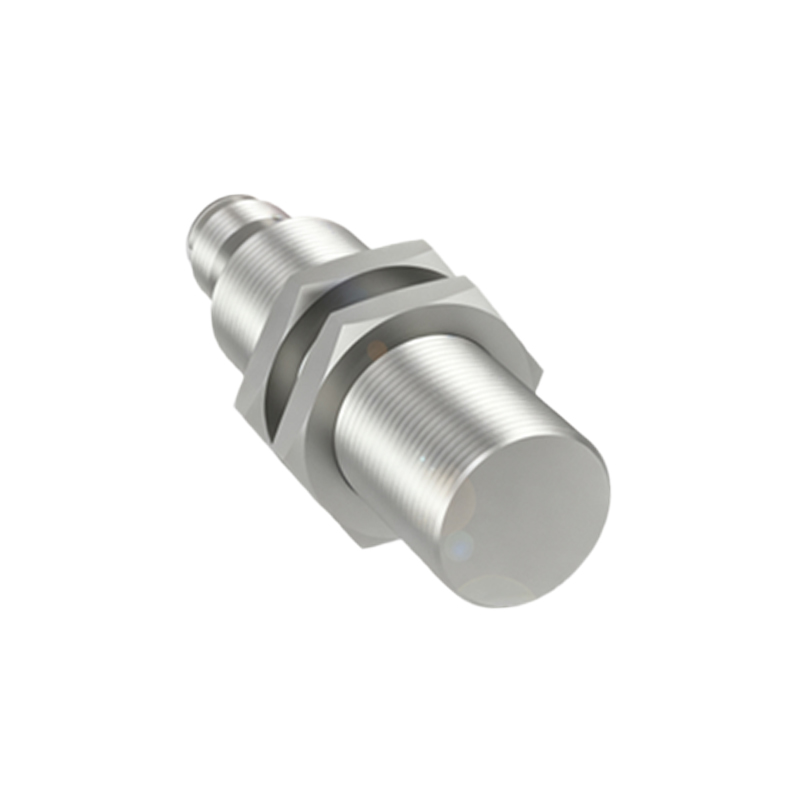
In conclusion, proximity sensor chips are a foundational technology in the modern digital world. Their ability to provide a simple form of environmental perception has unlocked countless features that make devices more responsive, efficient, and user-friendly. As they continue to evolve, becoming more capable and integrated, these invisible components will further blur the line between the physical and digital realms, enabling a future where our environments seamlessly anticipate and respond to our presence.