Introduction to Hand Pull Electric Bull Proximity Switch Sensors
In the realm of industrial automation and machinery safety, proximity sensors play a pivotal role. Among the diverse types available, the Hand Pull Electric Bull Proximity Switch Sensor represents a specialized and robust solution designed for demanding environments. This sensor is engineered to detect the presence or absence of a metallic target without any physical contact, utilizing electromagnetic fields. Its unique "hand pull" designation often refers to a manual reset or activation mechanism, making it integral in safety circuits and emergency stop functions. The "Electric Bull" moniker typically signifies a product line known for durability and high performance under strenuous conditions. These sensors are fundamental components in conveyor systems, automated assembly lines, packaging machinery, and heavy equipment, where reliable non-contact detection is paramount for operational efficiency and personnel safety.
Core Operating Principles and Technology
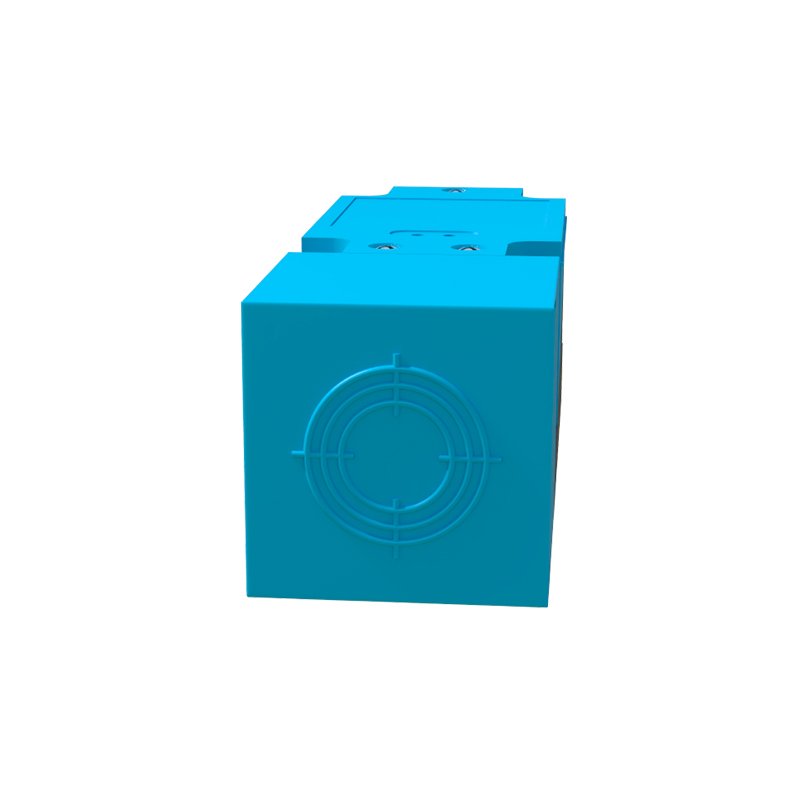
The fundamental technology behind the Hand Pull Electric Bull Proximity Switch Sensor is based on the principle of electromagnetic induction. The sensor generates a high-frequency oscillating electromagnetic field from its active face. When a ferrous or non-ferrous metal target enters this detection field, it induces eddy currents on the target's surface. This action dampens the oscillation amplitude within the sensor's internal LC tank circuit. The sensor's electronics monitor this change and trigger a solid-state switching output. This entire process occurs without any physical contact, eliminating mechanical wear and tear. The "hand pull" feature is typically an integrated mechanical lever or button that, when manually actuated, can reset the sensor's internal latch or provide a manual override signal, adding a layer of operational control and safety.
Key Design Features and Specifications
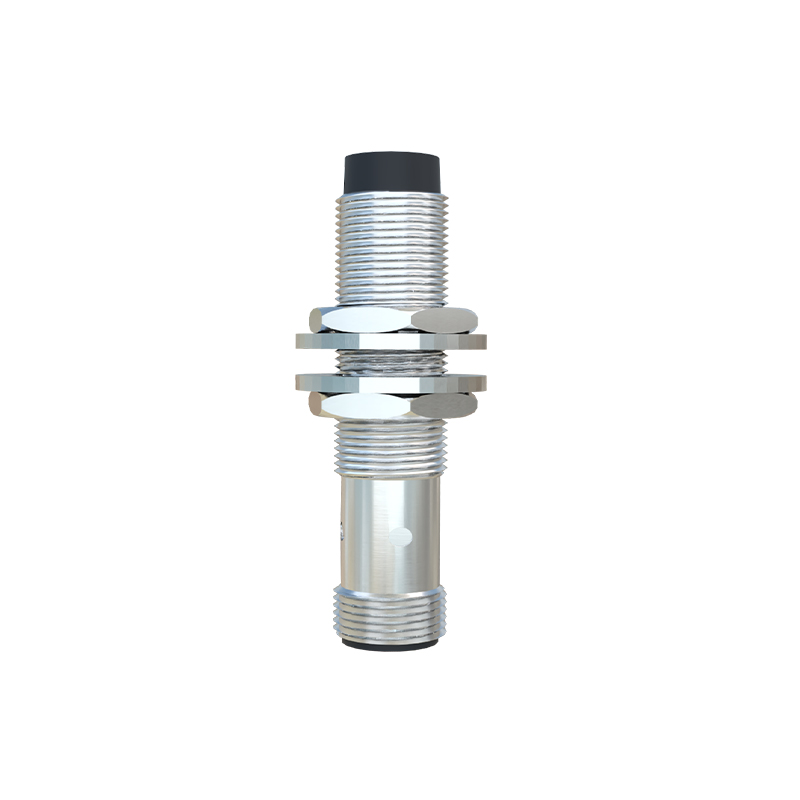
Hand Pull Electric Bull Proximity Sensors are built to withstand harsh industrial environments. Key design features often include a rugged, sealed housing made from materials like nickel-plated brass or stainless steel, offering high resistance to corrosion, impacts, and fluids, typically rated at IP67 or higher. The sensing face is robustly protected. Electrical specifications are critical; these sensors commonly operate on a wide DC voltage range (e.g., 10-30V DC) or AC voltages, with outputs being either PNP (sourcing) or NPN (sinking) transistor configurations. The sensing distance, or "snap distance," varies by model but is precisely defined for reliable operation. An LED status indicator is a standard feature for visual diagnostics. The integrated manual pull or reset mechanism is ergonomically designed for easy access, even when wearing gloves.
Primary Industrial Applications and Use Cases
The application spectrum for these sensors is vast. A primary use is in safety interlock systems on machine guards and doors. The sensor detects if a guard is properly closed; if not, it prevents machine startup. The hand-pull reset ensures a deliberate manual action is required to restart after a safety breach. They are extensively used in material handling for detecting the position of trolleys, cranes, and elevators. In automated production lines, they count products, detect jams, or verify the position of robotic arms. Within the automotive and metalworking industries, they monitor tool presence, workpiece positioning, and end-of-travel limits on heavy presses and stamping machines. Their reliability in dirty, oily, or vibratory settings makes them indispensable.
Advantages Over Other Sensor Types
Compared to mechanical limit switches or photoelectric sensors, Hand Pull Electric Bull Proximity Switches offer distinct advantages. Their non-contact operation ensures an exceptionally long service life with no moving parts to wear out. They provide high switching frequency and fast response times, suitable for high-speed automation. They are immune to many environmental factors that plague optical sensors, such as dust, smoke, fog, and ambient light. The inclusion of a manual pull function provides a direct and fail-safe interface for human operators, which is a critical safety advantage not found in standard proximity sensors. This combination of durability, speed, environmental immunity, and manual control makes them a superior choice for critical control points.
Installation, Wiring, and Configuration Guidelines
Proper installation is crucial for optimal performance. The sensor must be mounted securely to minimize vibration effects. It is essential to maintain the specified sensing distance from the target and account for any side-approaching targets made of different metals, as this can affect the nominal sensing range. Adequate clearance from other metal objects in the background or laterally must be provided to prevent false triggering. Wiring must follow the manufacturer's diagram precisely, connecting the brown wire (typically +V), blue wire (0V or common), and black wire (output load) correctly. For the hand-pull mechanism, ensure it has clear and unobstructed access for operation. No routine configuration is usually needed beyond correct