Introduction to Proximity Light Curtain Sensors
Proximity light curtain sensors represent a critical fusion of safety and automation technology. Unlike traditional mechanical guards, these optoelectronic devices create an invisible curtain of infrared light beams to detect the presence of objects or personnel within a defined hazardous area. When any beam within this curtain is interrupted, the sensor's control unit sends a stop signal to the guarded machinery, preventing potential injury. The manufacturing of these sophisticated systems demands precision engineering, rigorous quality control, and a deep understanding of both optical and electronic principles to ensure fail-safe operation in industrial environments ranging from robotic cells to press brakes.
Core Components and Material Selection
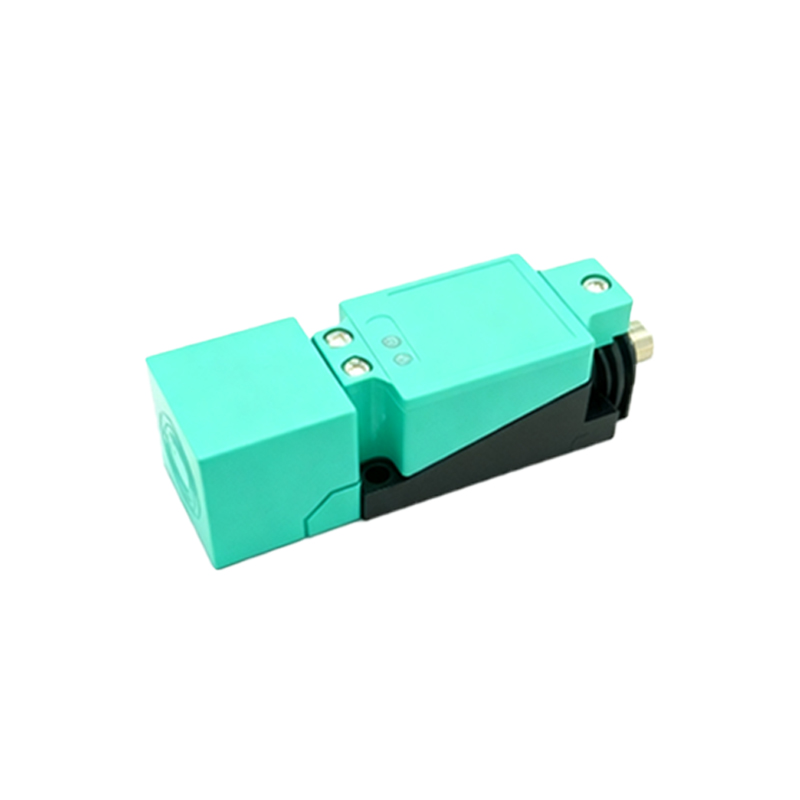
The production process begins with the careful selection and fabrication of core components. The transmitter and receiver housings are typically constructed from robust industrial-grade aluminum or engineered plastics, designed to withstand vibration, coolant exposure, and physical impact. Internally, the heart of the system lies in the precise alignment of infrared light-emitting diodes (IR LEDs) in the transmitter and phototransistors or photodiodes in the receiver. The quality and consistency of these optoelectronic elements are paramount. Manufacturers source high-reliability LEDs with specific wavelength characteristics, often around 880-950 nm, and pair them with matched photodetectors to ensure optimal signal strength and immunity to ambient light interference.
Printed Circuit Board Assembly and Calibration
The electronic intelligence of the light curtain is housed on meticulously assembled printed circuit boards (PCBs). Surface-mount technology (SMT) lines populate these boards with microcontrollers, signal amplifiers, noise filtration circuits, and communication interface chips. A critical post-assembly stage is the calibration and programming of each PCB set. Each transmitter-receiver pair undergoes a precise alignment and calibration procedure where the microcontroller is programmed with beam timing sequences, sensitivity thresholds, and response logic. This stage ensures that the sensor can distinguish between a genuine obstruction and minor environmental noise, such as dust or flying debris, a feature often referred to as muting or blanking.
Optical Alignment and Encapsulation Process
Perhaps the most delicate phase in manufacturing is the optical alignment and encapsulation. The arrays of IR LEDs and photodetectors must be positioned with micron-level accuracy to form a parallel, uniform light curtain. Automated fixtures and laser-guided alignment systems are employed to achieve this. Once aligned, the optical assemblies are often potted or encapsulated with a clear, durable epoxy resin. This process serves a dual purpose: it permanently secures the alignment against vibration and thermal shifts, and it creates a protective, sealed barrier against contaminants like oil, chips, and moisture, ensuring long-term optical clarity and reliability.
Housing Assembly and Environmental Sealing
Following encapsulation, the internal assemblies are integrated into their external housings. This stage involves the installation of protective polycarbonate or glass windows over the optical faces. These windows are treated with coatings to resist scratching and to filter specific light wavelengths, enhancing performance. A critical aspect of final assembly is achieving a high Ingress Protection (IP) rating, typically IP67 or higher. This involves installing precision gaskets, O-rings, and cable glands to create a hermetic seal. The housing is then securely fastened, often using tamper-resistant screws, to prevent unauthorized access and maintain the integrity of the safety system.
Rigorous Testing and Safety Certification
No proximity light curtain leaves the production facility without undergoing a battery of stringent tests. Functional testing verifies beam integrity, response time (typically in milliseconds), and the accuracy of the output signal. Environmental stress testing subjects units to extremes of temperature, humidity, and vibration to simulate years of field operation. Most importantly, units are tested for compliance with international safety standards such as IEC 61496 (Type 2 or Type 4). Type 4 safety rating, indicating a higher safety integrity level with redundant monitoring circuits, is essential for safeguarding personnel around high-risk machinery. Certification from bodies like TÜV or UL is a mandatory final step, providing the official validation required for global market acceptance.
Final Integration and Quality Assurance
The final manufacturing step involves integrating the sensor with its control unit, cabling, and mounting accessories. Each complete system undergoes a final end-of-line audit, which includes a complete functional run-through and a documentation check. Quality assurance protocols mandate traceability; each major component and final unit is serialized. This allows for tracking throughout the supply chain and is crucial for any future field diagnostics or recalls. The finished proximity light curtain sensors are then packaged with all necessary mounting hardware, installation manuals, and safety documentation, ready to be deployed as a vital component in creating safer, more productive industrial workplaces.