Understanding High-Precision Photoelectric Sensors
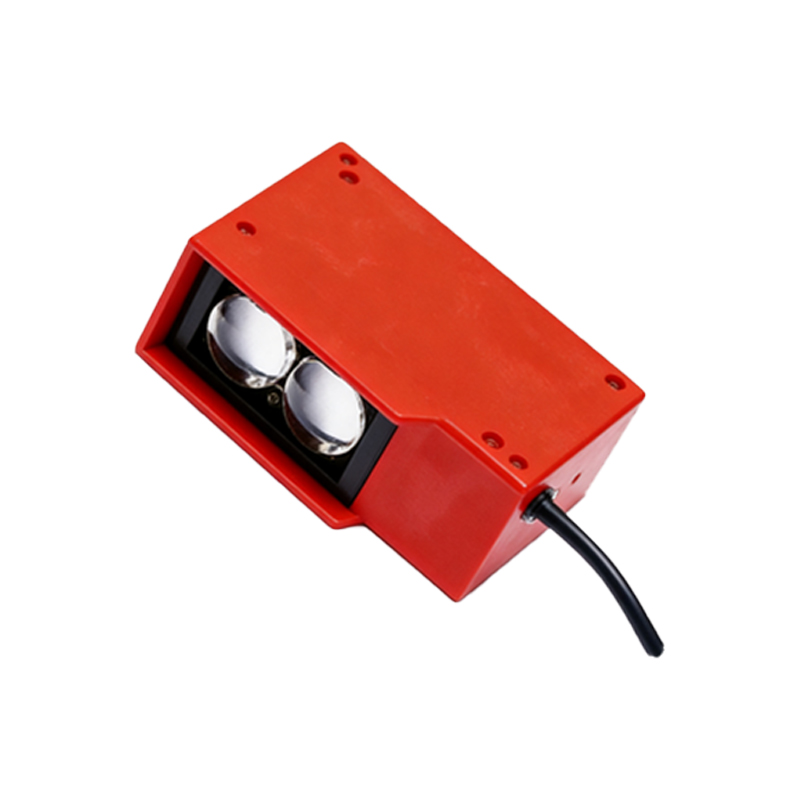
In the realm of industrial automation, high-precision photoelectric sensors are indispensable components. They function by emitting a light beam, typically infrared, visible red, or laser, and detecting changes in the received light's properties. These changes, caused by the presence, absence, or specific characteristics of a target object, are converted into electrical signals. The term "high-precision" refers to sensors with exceptional repeatability, minimal detection error, and the ability to detect minute objects or subtle changes in position. Key performance indicators include sensing distance, repeatability, response time, and environmental resistance. Applications demanding such precision range from semiconductor manufacturing and electronic component assembly to pharmaceutical packaging and precision robotics, where even a micron-level error is unacceptable.
Critical Selection Criteria for Your Application
Choosing the right manufacturer begins with a thorough analysis of your application's specific demands. First, consider the required sensing mode: through-beam, retro-reflective, diffuse-reflective, or background suppression. Each has distinct advantages for precision tasks. Second, evaluate the necessary resolution and spot size. Detecting very small objects, like microchips or fine wires, often requires a focused laser spot. Third, assess the environmental conditions. Will the sensor face extreme temperatures, heavy vibration, dust, moisture, or optical interference like ambient light? High-precision models must maintain stability under these stresses. Finally, the required response speed and output type (PNP/NPN, analog, IO-Link) must align with your control system's capabilities. A clear specification list is your most valuable tool for comparison.
Leading Manufacturers in the High-Precision Arena
Several global manufacturers have established strong reputations in the high-precision photoelectric sensor market. Key players include Omron, renowned for their extensive portfolio and innovations in background suppression and precise positioning sensors. Sick AG is another leader, particularly strong in logistics and demanding industrial environments, offering sensors with high immunity to interference. Banner Engineering provides robust and reliable solutions, often praised for their user-friendly design and strong performance in challenging conditions. Panasonic and Keyence are also major contenders; Keyence is especially noted for its ultra-high-precision and specialized sensors, often incorporating advanced technologies for unparalleled accuracy in laboratory and production settings. Each brand has its philosophical and technological strengths.
Evaluating Technological Innovation and Support
Beyond the basic specifications, the manufacturer's commitment to innovation and technical support is crucial. Examine their R&D focus: do they offer sensors with integrated intelligence, such as IO-Link for parameter setting and diagnostics? Advanced features like teach-in functions, adjustable sensitivity via software, and built-in condition monitoring can significantly enhance precision and reduce downtime. Furthermore, evaluate the quality of technical documentation, software configuration tools, and application support. A manufacturer with a strong global support network and responsive engineering assistance can be invaluable for integrating complex high-precision sensors into your system and troubleshooting any issues that arise during operation.
Balancing Performance with Total Cost of Ownership
While initial unit cost is a factor, the Total Cost of Ownership (TCO) is a more meaningful metric for high-precision components. A slightly more expensive sensor from a top-tier manufacturer might offer far superior reliability, longevity, and accuracy, reducing costs associated with production errors, rework, and unplanned maintenance. Consider the sensor's mean time between failures (MTBF), warranty terms, and the availability of spare parts. Ease of installation and calibration also contribute to TCO; a sensor that is quick to set up and align saves valuable engineering time. Investing in quality from a reputable source often proves more economical over the lifecycle of a machine or production line.
Making the Final Decision and Best Practices
There is no single "best" manufacturer for all situations. The optimal choice is the one that most precisely and reliably meets your specific technical requirements, environmental challenges, and budgetary constraints. It is highly recommended to request sample units from two or three shortlisted manufacturers for in-house testing under real-world conditions. This hands-on evaluation will reveal nuances in performance, stability, and usability that datasheets cannot convey. Establish a partnership with a knowledgeable distributor who understands both the product technology and your industry. Ultimately, selecting a high-precision photoelectric sensor is an investment in the reliability, quality, and efficiency of your automated processes.